What is a Neuroma

What is a Neuroma?

A neuroma is a painful condition, also referred to as a “pinched nerve” or a nerve tumor. It is a benign growth of nerve tissue frequently found between the third and fourth toes. It brings on pain, a burning sensation, tingling, or numbness between the toes and in the ball of the foot.

The principal symptom associated with a neuroma is pain between the toes while walking. Those suffering from the condition often find relief by stopping their walk, taking off their shoe, and rubbing the affected area. At times, the patient will describe the pain as similar to having a stone in his or her shoe. The vast majority of people who develop neuromas are women.

Causes

Although the exact cause for this condition is unclear, a number of factors can contribute to the formation of a neuroma:

• Biomechanical deformities, such as a high-arched foot or a flat foot, can lead to the formation of a neuroma. These foot types bring on instability around the toe joints, leading to the development of the condition.
• Trauma can cause damage to the nerve, resulting in inflammation or swelling of the nerve.
• Improper footwear that causes the toes to be squeezed together is problematic. Avoid high-heeled shoes higher than two inches. Shoes at this height can increase pressure on the forefoot area.
• Repeated stress, common to many occupations, can create or aggravate a neuroma.

Symptoms

The symptoms of a neuroma include the following:

• Pain in the forefoot and between the toes
• Tingling and numbness in the ball of the foot
• Swelling between the toes
• Pain in the ball of the foot when weight is placed on it

Home Treatment

What can you do for relief?

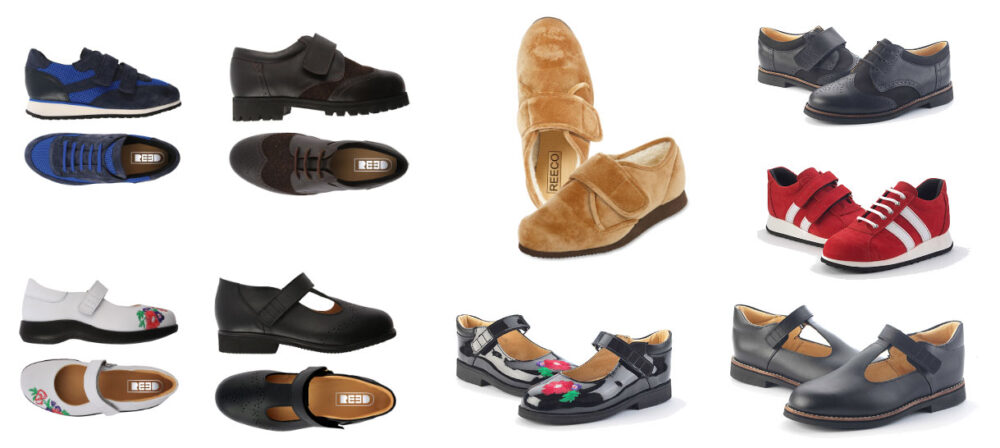
• Wear shoes with plenty of room for the toes to move, low heels, and laces or buckles that allow for width adjustment.
• Wear shoes with thick, shock-absorbent soles, as well as proper insoles that are designed to keep excessive pressure off of the foot.
• High-heeled shoes over two inches tall should be avoided whenever possible because they place undue strain on the forefoot.
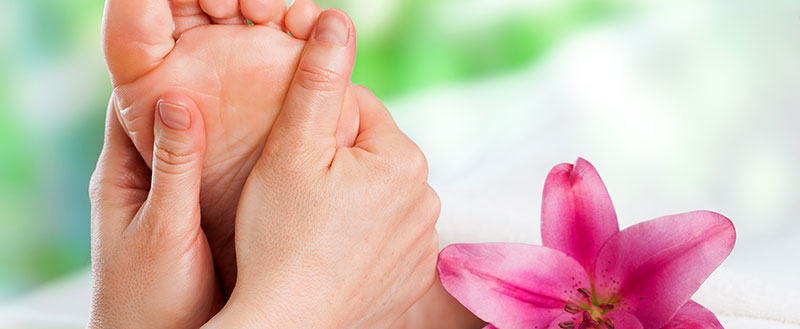
• Resting the foot and massaging the affected area can temporarily alleviate neuroma pain. Use an ice pack to help to dull the pain and improve comfort.
• Use over-the-counter shoe pads. These pads can relieve pressure around the affected area.
When to Visit a Podiatrist
Podiatric medical care should be sought at the first sign of pain or discomfort. If left untreated, neuromas tend to get worse.

Diagnosis and Treatment

Treatment options vary with the severity of each neuroma, and identifying the neuroma early in its development is important to avoid surgical correction.

For simple, undeveloped neuromas, a pair of thick-soled shoes with a wide toe box is often adequate treatment to relieve symptoms, allowing the condition to diminish on its own. For more severe conditions, however, additional treatment or surgery may be necessary to remove the tumor. The primary goal of most early treatment regimens is to relieve pressure on areas where a neuroma develops. Your podiatrist will examine and may X-ray the affected area and suggest a treatment plan that best suits your individual case.

Padding and Taping: Special padding at the ball of the foot may change the abnormal foot function and relieve the symptoms caused by the neuroma.

Medication: Anti-inflammatory drugs and cortisone injections can be prescribed to ease acute pain and inflammation caused by the neuroma.

Orthotics: Custom shoe inserts made by your podiatrist may be useful in controlling foot function. Orthotics may reduce symptoms and prevent the worsening of the condition.

Surgical Options: When early treatments fail and the neuroma progresses past the threshold for such options, podiatric surgery may become necessary. The procedure, which removes the inflamed and enlarged nerve, can usually be conducted on an outpatient basis, with a recovery time that is often just a few weeks. Your podiatric physician will thoroughly describe the surgical procedures to be used and the results you can expect. Any pain following surgery is easily managed with medications prescribed by your podiatrist.

Prevention

Although the exact causes of neuromas are not completely known, the following preventive steps may help:

• Make sure your exercise shoes have enough room in the front part of the shoe and that your toes are not excessively compressed.
• Wear shoes with adequate padding in the ball of the foot.
• Avoid prolonged time in shoes with a narrow toe box or excessive heel height (greater than two inches).
Protective Insoles

Aresta and Preventa Insoles, designed by podiatrist for the painful/high risk foot. Suitable for the diabetic/arthritic foot. Also suitable for the general work force, standing on your feet a lot, the these will help keep you comfortable and reduce the effects of shock when walking or working.

For further information and how to order visit: https://www.premier-clinic.co.uk/product-category/aresta-preventa

What are Ingrown Toenails?

If you have an ingrown toenail, it’s important to remember that home remedies can lead to pain and infection. Should the ingrown toenails become painful, odorous, or produce drainage, Today’s Podiatrist is your go-to for care.

What Are Ingrown Toenails?

Ingrown nails, the most common nail impairment, are nails whose corners or sides dig painfully into the soft tissue of nail grooves, often leading to irritation, redness, and swelling. Usually, toenails grow straight out. Sometimes, however, one or both corners or sides curve and grow into the flesh. The big toe is the most common location for this condition, but other toes can also become affected.

Causes

Ingrown toenails may be caused by the following:

• Improperly trimmed nails
• Heredity
• Shoe pressure; crowding of toes
• Repeated trauma to the feet from normal activities

Symptoms

The following symptoms may be present with ingrown toenails:

• Pain
• Redness and swelling
• Drainage
• Odour
• Prominent skin tissue (proud flesh)

Home Treatment

If you suspect an infection due to an ingrown toenail, immerse the foot in a warm salt water soak, or a basin of soapy water, then apply an antiseptic and bandage the area.
People with diabetes, peripheral vascular disease, or other circulatory disorders must avoid any form of self-treatment and seek podiatric medical care as soon as possible.
Other “do-it-yourself” treatments, including any attempt to remove any part of an infected nail or the use of over-the-counter medications, should be avoided. Nail problems should be evaluated and treated by your podiatrist, who can diagnose the ailment, and then prescribe medication or another appropriate treatment.

When to Visit a Podiatrist

You should see a podiatrist immediately if any drainage or excessive redness is present around the toenail. Also, if a short trial of home treatment has not resulted in improvement of the condition, see your podiatrist. If you have diabetes or poor circulation, you should seek immediate treatment at the first signs of an ingrown toenail, as it can lead to more severe complications.

Diagnosis and Treatment

A podiatrist will remove the ingrown portion of the nail and may prescribe a topical or oral medication to treat the infection. If ingrown nails are a chronic problem, your podiatrist can perform a procedure to permanently prevent ingrown nails. The corner of the nail that ingrows, along with the matrix or root of that piece of nail, are removed surgically under local anaesthetic.

Prevention

• Trim toenails properly: cut them straight across, following the contour of the nail, not longer than the tip of the toes. Do not dig into corners and only gently round off corners with a nail file. Use toenail clippers.
• Avoid shoes with pointy or narrow toe boxes.
• Never rip or tear edges of nails.

Respect Your Feet

Here is some info that may give you new respect for your feet. One quarter of your body’s bones are in your feet. Each normal foot has 33 joints, 26 bones, 19 muscles and 107 ligaments. When you are running, your feet may take up to 5 x your body weight and that’s a lot. Feet take a lot of daily abuse from walking, running, jumping and climbing, so naturally they are subject to many different types of problems. Prevention is the best treatment. Talk to your podiatrist before it’s too late. Call Premier Clinic 01254 677341 for an assessment and advice.

Exercise and Arthritic Knees

Exercise and Osteoarthritis: Science says stay active.

Osteoarthritis is usually not a mechanical wear and tear process. If you have osteoarthritis, exercise will not wear out your knee joints faster — quite the opposite. Therapeutic exercise has been proven to relieve the pain of mild knee arthritis and does not harm the cartilage. This post will dive deep into the science to support why we should start to exercise to improve knee pain associated with osteoarthritis.

How many of you have been told to rest and stop running or exercising because you have knee arthritis? Far too many people believe that arthritis is caused by mechanical wear and tear. It’s only natural that you might assume that your arthritic knee pain will worsen with exercise. Too many health care professionals counsel their patients to stop running, speed walking, elliptical, treadmill, etc. to “save” their joints. Most of the time, you need to do just the opposite. The research over the years has been unequivocal.

Running may improve cartilage nutrition

Exercise has been proven to be the most effective treatment for early and moderate osteoarthritis of our joints. Exercise improves all-cause mortality and decreases your risks associated with muscle loss, frailty, sarcopenia, and so on. We are going to walk through the current research and evidence-based recommendations for the management of arthritic knee pain.

What are the causes of osteoarthritis of the knee?

There are many potential causes of osteoarthritis of the knee. In people without prior injuries osteoarthritis is usually a biologically mediated inflammatory process…. what does that mean?!? In our joints, we have 100s of proteins, cytokines, chemicals, and other compounds which are made by the synovium, or the lining of the knee joint. When our joints are healthy, the chemicals in our joint support cartilage health and nutrition. Whether it is due to injury, or our metabolism, weight, and diet — a switch flips. Changes occur in our knee joint that is similar to the changes associated with other chronic disease states. That switch turns on genes in our DNA that increase the production chemicals that are hostile to the health of our cartilage. So over time, an increase in those unfriendly chemicals eventually cause cartilage cell injury. That weakens the cartilage and its ability to withstand stress.

If the cartilage is not functioning well, or if it becomes thinner, it can lead to pain, inflammation, warmth, and swelling. Osteoarthritis appears to be caused by low-grade chronic inflammation. This is the same chronic inflammation held as a cause of other chronic diseases such as Type 2 diabetes, heart disease, and fatty liver. Much of the chronic disease burden that affects us appears to have a metabolic etiology or cause. Exercise has been proven to decrease the concentration of proteins and compounds in our knees that are hostile to cartilage health.

Yes, there are mechanical causes of osteoarthritis. People with severely bowed knees or knock knees are more prone to developing arthritis. That’s because you are overloading one side of the knee joint if your knee is mal-aligned. If you had a meniscus removed because of a tear, you are also at an increased risk of developing osteoarthritis. Certain fractures or broken bones that involve the knee joint can lead to post-traumatic osteoarthritis. That form of arthritis is rarer, and it is due to the injury subsequent mal-alignment after the fracture heals.

What are the symptoms of knee arthritis?

The symptoms of arthritis of the knee can vary significantly. With mild arthritis, many people will have an ache associated with walking, stairs, or running. The location of the ache or pain can be on the inner side of your knee, the outer side, or even in the back of the knee. Osteoarthritis in some people will produce swelling, or what is commonly referred to as “water on the knee.” Therefore some of you may have swelling of the knee while others will not. Depending on the location of arthritis within your knee, it can feel like it wants to give way. A feeling of grinding or “crepitus” is a common complaint. When the inflammation due to the arthritis increases, you may have pain in the knee at night. That’s why you may reach for a pillow to put between your knees when you sleep. Morning stiffness of the knee, or stiffness if you have been sitting for a while is a common complaint if you have inflammation associated with knee joint cartilage degeneration.

The cause of osteoarthritis of the knee is not entirely clear. Very different clinical pictures emerge when we see people in our office and clinic. Some of you have mild arthritis that does not bother you much. Arthritis might progress or worsen slowly over decades, or it might progress more rapidly. In some, the pain you have might be minimal, and in others, the pain might be severe, regardless of how your X-rays look. That means that we have some patients with mild arthritis on an Xray, but they have severe pain and swelling. Others might have only a little pain despite X-rays that show severe arthritic changes.

Can I exercise with arthritis of the knee?

For more than two decades, the research has clearly shown that exercise is of benefit in people with osteoarthritis of the knee. Exercise improves pain, strength, and decreases muscle atrophy. Exercise can improve your quality of life and help delay the need for surgery. So.. if someone tells you to rest because you have osteoarthritis… kindly say no.
Osteoarthritis is not caused by walking too much or low impact activities. If your arthritis pain is due to severe osteoarthritis, then you may need to consider other treatments above and beyond exercise. Exercise has significant anti-inflammatory effects. This is somewhat counter-intuitive, and I often have difficulty convincing people of this. That’s because far too many people still think the knee arthritis has a wear and tear etiology. The benefits of exercise are enormous. There are more than a dozen chronic disease states that will improve if your exercise. Most of you will feel better if you exercise. The reasons for this are complex, but the results are straightforward. You will be healthier, lighter, feel better, and often have less pain if you exercise regularly — even with mild to moderate osteoarthritis of the knee.

A proper exercise program to combat the age-related changes that we all experience will include aerobic exercise (walking, running, biking, swimming, etc.), resistance exercise, and balance exercises. These different forms of exercise help minimize the risk of developing age-related muscle loss (sarcopenia), heart disease, dementia, type 2 diabetes, hypertension, and so on. This post on our site goes into more detail about the specific exercise programs we should be interested in to optimize our lives for a longer healthspan.

Running and arthritis of the knee

Far too many people still believe that running causes arthritis and knee joint deterioration. Recreational running, even those of us who have been running 20 miles a week for 40 years has not been associated with an increased risk of developing osteoarthritis. Study after study reveals there is no conclusive evidence that running causes osteoarthritis of the knee; in fact, running may actually slow the functional aspects of musculoskeletal aging. Various initiatives have evaluated the risk of developing arthritis or the risk of worsening osteoarthritis of the knee in runners. There is no conclusive evidence to suggest that running is going to cause arthritis to worsen. We published a few posts on this website on the topic of running with osteoarthritis and meniscus tears. Feel free to dive deeper by reading those posts.
Why you should exercise with knee arthritis

For most people, aerobic activity is associated with improved arthritic symptoms, less pain and less disability. More importantly, running has not been shown to cause more advanced osteoarthritis. Even as far back as 1986 early studies on runners showed that their bone density increased (that’s good) and there were no signs of increasing osteoarthritis in male or female runners. Like other aerobic forms of exercise. There are numerous health advantages to running. For now, it appears very clear that the risk of not performing aerobic exercise is much higher than the risk of causing worsening arthritic pain. Osteoarthritis of the knee is associated with an increased risk of all-cause mortality. That means that exercise and maintaining physical activity is critically important for your health and well-being, so keep on trucking and if you need any help why not call the clinic and arrange for one of our team to assess and guide you through your fitness programme.

Knee Arthritis

Unfortunately, there is no cure for osteoarthritis of the knee, and treatments will vary from case to case. Beyond a daily regimen of pain killers, glucosamine and chondroitin, and a grin-and-bear-it attitude, physicians may recommend anything from lifestyle changes to arthroscopic surgery. Sometimes, osteoarthritis sufferers are advised to lose weight and avoid high-impact activities such as climbing, distance running, and sports.

One way to reduce the impact exercise has on the knee is with unweighting therapy. Thanks to technologies like the AlterG®Anti-Gravity Treadmill™, physiotherapists can reduce body-weight impact during walking and running, all while precisely monitoring pain levels.

Just check out this knee osteoarthritis case study. At the time of her initial treatment, this 71-year-old patient was reporting 5/10 pain levels for even basic daily activities like walking. By the end of her treatment regimen with AlterG Anti-Gravity Treadmill technology, this patient was nearly pain-free and able to return to one of her life’s passions: hiking.

Chronic conditions and severe injuries often require more than traditional physical therapy protocols. For patients suffering from knee osteoarthritis, unweighting therapy is a great place to start.

Parkinson’s Disease

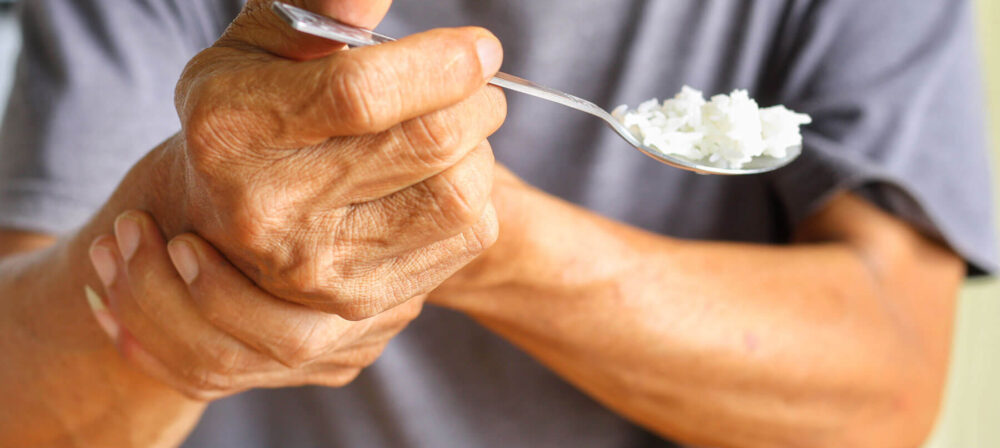
There’s no question that exercise has a positive impact on patients living with Parkinson’s Disease (PD). It’s been shown to slow the progress of tremors, improve balance and mobility, and allow for the continuation of daily activities. Beyond PD-specific symptom management, though, lies the significant impact exercise can have on the more intangible, but very real aspects of living with PD, things like depression, memory loss, and low self-esteem.

Unweighting tools like AlterG Anti-Gravity Treadmill™ technology can help reduce body-weight load during exercise, allowing patients with PD to exercise for longer durations while monitoring their gait, preventing injuries and falls, and incrementally increasing exercise intensity. It’s working out, but it’s working out smart: with the help of AlterG technology and a qualified physical therapist. Patients can participate in a workout program that’s tailored to their specific symptoms, needs, and progression.

The results can be remarkable.

A review of published research on treadmill training turned up 3 studies in which exercise had an immediate impact for PD patients. After just one treadmill bout, the subjects of these studies showed increases in walking speed and stride length as well as marked improvements in balance. Long-term effects of the other studies included: better gait mechanics and speed, improvements in daily function and fall safety, and overall reduction of PD symptoms.

So, we’ve established that exercise is extremely beneficial for patients with PD, but what types of exercises are best? According to the Parkinson’s Disease Clinic and Research Centre, “There is increasing evidence that aerobic and learning-based exercises could be neuroprotective in aging individuals and those with neurodegenerative disease. Facilitating exercise programs that challenge our heart and lungs as well as promote good biomechanics, good posture, trunk rotation and normal rhythmic, symmetric movements are the best.” Examples of such exercises could include walking at different speeds and inclines, dancing, yoga, Tai Chi, hiking using a walking stick and practicing stepping over obstacles, sports requiring hand-eye coordination (i.e. tennis or golf), and swimming with varying strokes and with the eyes open (combining cardiovascular training with motor learning).

Now, you know how we feel about exercise, and as you can guess, we are pretty jazzed about what our AlterG Anti-Gravity Treadmill™ has to offer those with PD who are seeking to reap the rewards of “getting physical.” Our gently supportive, fall-safe environment allows patients to focus on their workout, rather than on the constant fear of taking a tumble. This means that even PD sufferers with severe mobility and balance impairments can rediscover the sheer joy of pain-free, unrestricted movement again, a joy that PD has callously robbed from so many.

We’ve said it before, and we’ll say it again (and again… and again…): exercise is THE answer! We don’t even have to look at the question anymore. Here at Premier Clinic, our mission is to make this “medicine” accessible to all, regardless of their ailment. For those of you with PD, we hope that we can help you take your first steps toward a better, brighter tomorrow. We may not be able to defy Parkinson’s just yet, but we sure can defy gravity.

Stretching is a Lot Like Flossing

Stretching is a lot like flossing. We know that it’s important and that we should be doing it. We know that it helps our bodies in the long run. Yet so many of us still skip this important activity altogether.

And just like skipping flossing, failing to properly stretch is a mistake. Done right, stretching helps us improve our range of motion, flexibility, and recovery time. For anyone serious about their fitness, stretching is non-negotiable, both before and after workouts. That goes for everything from weightlifting and gymnastics to basketball, volleyball, and rec league hockey.
Typically, a complete stretching program consists of both static and dynamic stretches. The question is, what’s the difference? And when is it best to do one or the other? Here’s a closer look at the difference between static and dynamic stretches, common applications, and some examples.

The Difference between Static and Dynamic Stretching

The difference between static and dynamic stretching comes down to a simple thing: movement. A static stretch is, generally, any position you hold—often at the limit of a given joint’s range of motion—to increase flexibility. A lack of movement—hence the name static—is common to all of these stretches. No bouncing, changing position, or repetition of movement.

Applications of Static Stretching

1. Flexibility
2. Post-workout recovery
3. Preventing bruising and soreness

Examples of Static Stretches

• Standing hamstring fold over (touch your toes)
• Seated groin and inner thigh stretch
• Overhead triceps stretch

A dynamic stretch is any repetitive, more challenging motion aimed at loosening up muscles and joints. Usually, dynamic stretches are sports- or activity-based motions one repeats a number of times. If it feels challenging, it’s supposed to be. Watch professional athletes before a game or match and you’ll likely see them go through some form of dynamic stretching routine.

Applications of Dynamic Stretching

1. Pre-workout warm-up
2. Endurance and conditioning training

Examples of Dynamic Stretches

• High knees
• Walking lunges
• Lateral crossovers

Understanding the difference between static and dynamic stretching is the first step toward incorporating these important movements into your workouts. If stretching remains on your list of need to do that more (ahem, right next to flossing), try this: select three to five dynamic stretches and perform them before your next workout. After your routine, perform three to five static stretches. Set a goal to apply this stretching routine to each workout for two weeks.

You’ll be amazed at the difference.

Add Days to Your Life AND Life to Your Days

Life expectancy is at its all-time high, the fact that so many people are living longer, well into their 80,s and 90,s is a wonderful ideal. However, the sad reality is that living longer doesn’t always include a good quality of life; it’s not a package deal.

Many people outlive their children and their pensions, and end up feeling like they’ve become a financial, physical and emotional burden on their families. Swallowing handfuls of pills every day, losing independence and requiring nursing care is not the way most people would choose to spend their last years.

However, there are steps you can take to reduce the risk of this outcome. Making a conscious decision to take small steps (literally) from today, could make all the difference in your life going forward. Physical activity (PA) or exercise, when performed regularly, has been proven to prevent and help manage more than 20 chronic conditions. These include coronary heart disease, stroke, type 2 diabetes, cancer, obesity, mental health problems and musculoskeletal conditions. Sadly, you can’t bank the benefits of exercise from your youth. Ideally being active throughout your lifespan would give optimal health benefits, however research has shown the health gains achieved through PA can be attained at any time. So, it doesn’t matter when you start as long as you start!

Now we’re certainly not saying you have to sign up for an Ironman Ultra-Triathlon or become the next Cross fit Superhuman. Physical activity includes all forms of exercise, such as everyday walking or cycling to get from A to B, active play, work-related activity and active recreation; such as working out in a gym, dancing, gardening or playing active games, as well as organised and competitive sport.

Physical inactivity is the fourth leading risk factor for death. The latest research shows that a sedentary life is as great a risk factor as smoking and obesity, for heart disease risk. Sedentary behaviour is not simply a lack of activity but a cluster of individual behaviours where sitting or lying is the dominant mode of posture, and energy expenditure is very low.

Inactivity was always associated as a cause of being overweight or obese, which in turn results in an increased risk of heart disease and diabetes. However, the most current research has shown that even normal weight individuals that are inactive, are at risk of developing disease. While you can blame it on your job or school that forces you to sit for hours in a day, you can also mitigate the negative effects with just 60-75 minutes of moderate intensity PA a day.
Regardless of your activity starting point, there are benefits to be gained for anyone who increases their activity levels. Individuals that follow the recommended physical activity guidelines have shown to have optimal health benefits of a 39% reduced risk of dying from any disease. However, anything is better than nothing – even doing half the amount of the recommended weekly activity has shown a 20% lower risk of mortality. Regular physical activity roughly halves your chance of developing some cancers, like bowel and breast cancer. Studies have shown that people who continued to exercise once diagnosed with cancer had significantly less cancer deaths and any-cause death than those who were inactive.

If you’d like to know more, you can download our Gold Standard Physical Activity Recommendations leaflet, along with additional exercise advice for people suffering from the following conditions, all of which can benefit significantly with regular physical activity.

1. Staying Healthy and Preventing Disease
2. COPD
3. Depression
4. Musculoskeletal Pain
5. Type 2 Diabetes
6. Cancer
7. Dementia
8. Falls and Frailty
9. Inflammatory Arthritis and Osteoarthritis
10. Heart Disease

Tailors Bunion

Tailor’s Bunion (Bunionette)

What Is a Tailor’s Bunion?

Tailor’s bunion, also described as a bunionette, is a bony prominence of the fifth metatarsal bone at the base of the little toe. Tailor’s bunions are not as common as bunions, which occur on the inside of the foot at the big toe joint, but they are similar in symptoms and causes.

The deformity received its name centuries ago, when tailors sat cross-legged all day with the outside edge of their feet rubbing on the ground. This constant rubbing led to a painful bump at the base of the little toe.

Causes

Tailors’ bunions are predominently caused by an inherited faulty mechanical structure of the foot resulting in changes to the structure of the bony framework of the foot with the fifth toe bone protruding outward, while the little toe moves inward. This shift creates a bump on the outside of the foot that becomes irritated whenever a shoe presses against it.
Sometimes a tailor’s bunion is actually a bony spur (an outgrowth of bone) on the side of the fifth metatarsal head.
Regardless of the cause, the symptoms of a tailor’s bunion are usually aggravated by wearing shoes that are too narrow in the toe, producing constant rubbing and pressure.

Symptoms

The symptoms of tailor’s bunions include redness, swelling and pain at the site of the enlargement. These symptoms occur when wearing shoes that rub against the enlargement, irritating the soft tissues underneath the skin and producing inflammation.

Diagnosis

Tailor’s bunion is easily diagnosed because the protrusion can be seen. X-rays may be ordered (but not necessary).

Nonsurgical Treatment

Treatment typically begins with nonsurgical therapies with one or more of the following:
• Shoe modifications. Choose shoes that have a wide toe box, and avoid those with pointed toes or high heels.
• Padding. Bunionette pads placed over the area may help reduce pain.
• Oral medications. Nonsteroidal anti-inflammatory drugs (NSAIDs), such as ibuprofen, may help relieve the pain and inflammation.
• Icing. An ice pack may be applied to reduce pain and inflammation. Wrap the pack in a thin towel rather than placing ice directly on your skin.
• Injection therapy. Injections of corticosteroid may be used to treat the inflamed tissue around the joint.
• Orthotic devices. In some cases, custom orthotic devices may be provided, especially in sporty/active people.

When Is Surgery Needed?

Surgery is normally avoided; however it is considered when pain continues despite the above approaches. In selecting the required procedure or combination of procedures the foot and ankle surgeon will take many factors into consideration such as the extent of your deformity based on the x-ray findings, your age, your activity level. The length of the recovery period will vary, depending on the procedure or procedures performed.