Unloading to Treat the Symptoms of Parkinson’s disease

Studies Show Exercise May be the Best Medicine for Parkinson’s Disease

There’s no question that exercise has a positive impact on patients living with Parkinson ’s disease (PD). It’s been shown to slow the progress of tremors, improve balance and mobility, and allow for the continuation of daily activities. Beyond PD-specific symptom management, though, lies the significant impact exercise can have on the more intangible—but very real—aspects of living with PD, things like depression, memory loss, and low self-esteem.

The good news is that nearly any exercise that doesn’t increase injury risk is open to people living with PD. This can mean anything from walking to Tai Chi, cycling to swimming, or even yoga. Recently, there are even several boxing gyms just for patients with PD cropping up across the country.

So, no matter the patient’s preferences, the options are there.

The challenge is that PD makes safe and comfortable exercise a challenge as it progresses into middle and later stages. As symptoms develop, patients typically experience shaking, balance issues, and falls risk, as well as stiffness, reduced flexibility, and diminished conditioning. Since these symptoms tend to discourage movement and exercise, patients tend to become sedentary, allowing symptoms to progress while they become less and less motivated to exercise.

Still, it is possible to exercise with the symptoms of PD, even as it progresses into more advanced stages. However, doing so often requires a modified program and the help of a physical therapist or other medical professional.

And that’s where unloading comes in.

WHY UNLOADING MAKES SENSE FOR PATIENTS WITH PARKINSON’S

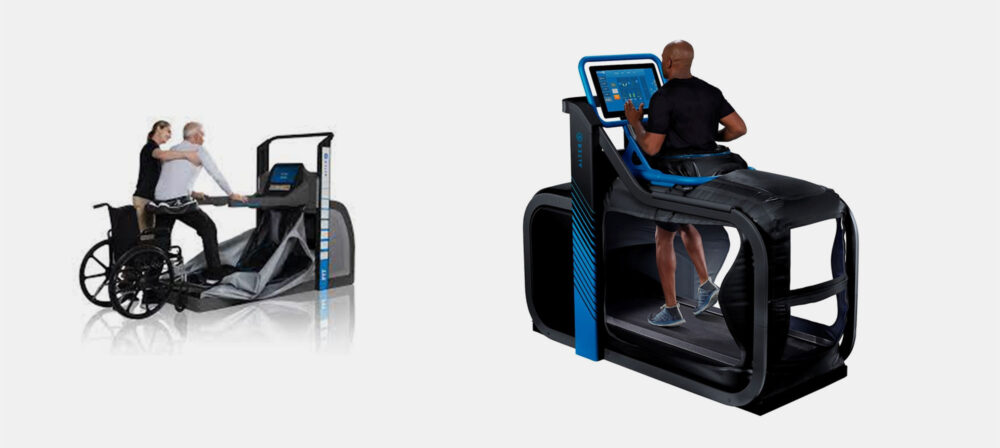
Unweighting tools like AlterG Anti-Gravity Treadmill™ technology can help reduce body-weight load during exercise, allowing patients with PD to exercise for longer durations while monitoring their gait, preventing injuries and falls, and incrementally increasing exercise intensity. It’s working out, but it’s working out smart: with the help of AlterG technology and a qualified physical therapist. Patients can participate in a workout program that’s tailored to their specific symptoms, needs, and progression.

The results can be remarkable.

If you couldn’t tell by now, the management of Parkinson’s disease and other neurological disorders is one of our passions as physical therapists. Aside from our ongoing work with these patients, as well research into the benefits of unloading in the realm of PD, we’ve written at length on the topic here on the AlterG blog. If you’d like to learn more about neurological disorders and physical therapy, here are three good places to start:

The Best Medicine for Parkinson’s disease

Benefits of Exercise for seniors with Mobility Issues from Parkinson’s disease

How to Treat Neurological Problems with Physical Therapy

SOURCES:

http://www.parkinson.org/Understanding-Parkinsons/Treatment/Exercise/Neuroprotective-Benefits-of-Exercise

http://www.parkinson.org/Understanding-Parkinsons/Treatment/Exercise


For further informartiion on using the AlterG anti-gravity treadmill, contact the clinic direct to discuss further.

AlterG and Weight Loss

COVID-19 and Obesity

There are a variety of reasons that COVID-19 has a higher risk of a detrimental impact to obese patients.

  • Obesity affects lung capacity and the ability for the lungs to expand.
  • It can affect the immune system and how the body responds to infection and inflammation.
  • It can also affect the thickness of the blood, predisposing the patient to increased blood clots.

“One study found that for people with a BMI of 35 to 40, risk of death from COVID-19 increases by 40% and with a BMI over 40 by 90%, compared to those not living with obesity. Other data found that in intensive care units, 7.9% of critically ill patients with COVID-19 had a BMI over 40 compared with 2.9% of the general population.” 

 Using the AlterG to Combat Obesity

Exercise is a proven way to reduce body fat and the AlterG enables many individuals to exercise where they may not have been able to as much before, whether due to pain, various injuries or simply the ability to get moving due to de-conditioning. The AlterG can help in two main ways:

Reducing joint pain

Osteoarthritis or other co- morbidities can limit exercise capability because of increased joint pain in patients.

By reducing the patient’s effective weight during exercise with the AlterG Anti-Gravity Treadmill, you can reduce or eliminate the pain they may experience whilst exercising. Reducing their pain means you can increase their activity levels and caloric burn!

The vision of weight loss

One thing those who are morbidly obese often face at some point during a weight loss regime is a mental barrier in which the weight loss feels “impossible”.

The AlterG allows the patient to experience how they would feel at a reduced body rate and often how their pain is reduced. This can be a highly motivational tool!

So if your ambition is to reduce your weight and at the same time get fitter and more active then contact Premier Clinic for an assessment to see how we can help you achieve your goals and stay healthy.

Heel Pain (Plantar Fasciitis) and Shockwave Therapy

As  sports medicine practitioners, we deal with muscle and bone injuries on a daily basis.

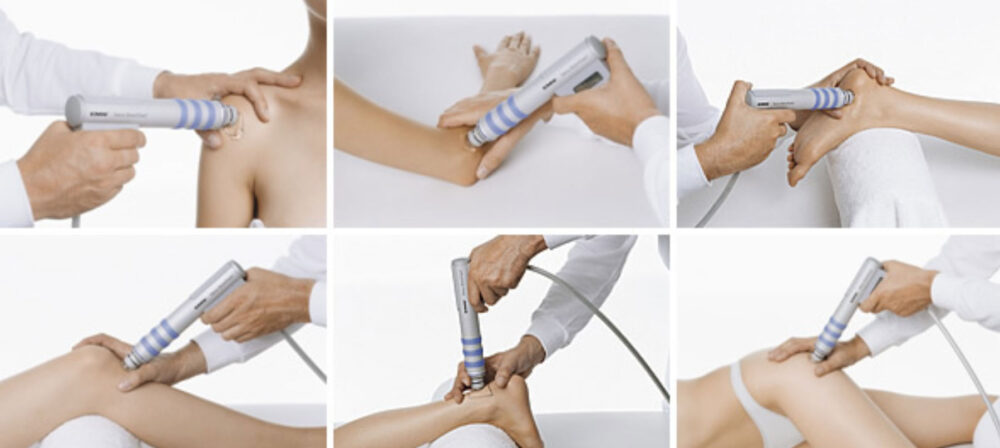
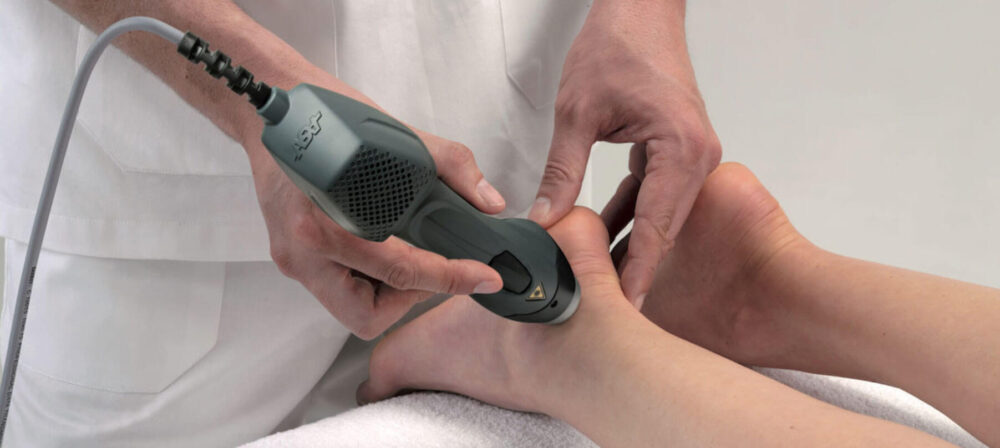
By adding technology to the mix, we can help patients, dealing with common injuries or conditions, heal faster. This is particularly true when it comes to plantar fasciitis.

Shockwave therapy for plantar fasciitis has a high success rate. It’s been proven 84% successful in double-blind, randomized, controlled studies.

Plantar Fasciitis – A Common Concern

It is quite common for the thick band of tissue, plantar fascia that connects the heel bone to the toes, to become inflamed. As this tissue helps absorb the stress at the bottom of the feet, if the pressure is too high or persists for a longer period of time, it can get damaged. Many patients complain of the pain being worst in the morning when getting out of bed, or anytime during the day after sitting.

According to an analysis from the National Center for Complementary and Integrative Health (NCCIH), women were 2.5 times more likely to report plantar fasciitis than men.

When it comes to the characteristics of plantar fasciitis pain, the survey reported that 25% of the respondents reported having severe plantar fasciitis pain, 45% had moderate pain, and 28% experienced mild pain.

Shockwave Therapy Treatment – A Closer Look

Studies have shown that shockwave therapy is an effective, long-term treatment for plantar fasciitis. A study was done to measure the effectiveness of shockwave therapy for the treatment of chronic recalcitrant plantar fasciitis.

It showed that shockwave therapy improved function and quality of life in patients with recalcitrant plantar fasciitis.

When measured against a placebo group, shockwave therapy proved significantly superior; with a reduction of the visual analog scale composite score of 72.1% compared with 44.7%, and an overall success rate of 61.0% compared with 42.2% in the placebo group at 12 weeks.

The difference was even more pronounced at 12 months and no relevant side effects were observed.

Similarly, another study was conducted to determine the long-term effectiveness of shockwave therapy for the treatment of plantar fasciitis. Ultrasonographic measurement was used as an objective outcome measurement. The results showed that, for patients with a greater than 12-month history of heel pain, shockwave therapy effectively decreased plantar fascia thickness. The average thickness of the plantar fascia was 7.3 ± 2.0 mm before the treatment and 6.0 ± 1.3 mm after the treatment.

So if you are suffering with plantar fasciitis (heel pain) get in touch with us and we will assist you in your treatment. Get in touch via the contact page on our website.


Grief & Isolation

This is a post about Grief. It will take 3 minutes to read and is to help those of you reading who have lost those dear to you or for people you know who have.

Many people across the country are obviously facing a tragic loss of life during this Global Coronavirus Pandemic, often under very difficult circumstances. Those who have lost loved ones are having to deal with increased trauma and may be cut off from the people who would normally help them – their support network. Those people who are already struggling with bereavement or whose relatives or friends die through other causes will be affected. There are many different situations and emotions that bereaved people have to deal with.

Grieving & Isolation

The current Coronavirus Crisis is a very strange and distressing time to be isolated and grieving. Being bereaved can be one of the loneliest experiences that you or those you love have ever gone through. Talking with friends and family can be one of the most helpful ways to cope after someone close to us dies. Also by spending time with other people and to avoid isolating yourself from other people if possible would be the conventional advice but of course the current crisis means that isolating ourselves is necessary to prevent many more people being bereaved.

Isolation can accentuate feelings of loneliness and grief; it can make them much more intense. You may have to stay by yourself in the same house that you shared with the person who has passed away, therefore bringing back lots of painful reminders. You may be isolated with family members and although this may provide support at times, there may be tensions and resentments that arise and are magnified, therefore making it difficult to help each other. Feelings of loneliness and grief can therefore be more intense.

You may have to stay by yourself in the same house you shared with the person who has passed away or you might be isolated together with your family. This may provide support but there may be tensions and resentments that can be magnified, making it very difficult at times to support each other. Your children & teenagers might be isolated with you and trying to keep them occupied, whilst dealing with your own emotions and fears can seem daunting. Having to deal with bereavement, whilst having worries about external situations can mean that feelings of grief aren’t fully expressed.

Being in isolation can also make it harder to process grief. News outlets are full of new and distressing information and whilst you are watching and listening to all this news you can find yourself distracted from dealing with your grief. You might be worrying about others, about yourself and the situation throughout the UK and the World as a whole. You may have all the practical considerations and concerns to cope with as the person who passed away may have been a partner, parent or carer and you’ve been left without the practical or emotional support you need at the time when it is most required. Due to isolating, friends and relatives who might otherwise have been able to provide the practical support you need are unfortunately unable because they are preoccupied with their own family’s situation.

How Can You Help Yourself?

You may be alone physically but you don’t have to be alone with your grief. Texting your family and friends is important. You might find that some of them don’t respond in the way that you hoped but this can be because of their own fears and the current situation. They could be feeling helpless because they want to ‘fix’ your grief but can’t. Having someone to call in the middle of the night or to have someone you can share stories with about the person who has died is maybe what you need and being able to explain that to them if you can is important.

There are organisations that provide help lines that you can call, such as Cruse Bereavement Care – 0808 808 1677.

Getting rest and looking after you is vital. It is natural to want to hide away and at the moment we’re being encouraged to do that but getting some fresh air and sunlight, with the resulting benefits of Vitamin D can help your state of mind. If you’re able to, go for a walk or run, do some exercise in your home because our physical health can help our mental health as we know.

Having some structure is vital and trying to keep to some sort of routine of getting up, getting dressed and eating regular meals is important. It will all help you, even slightly. Your appetite might be affected but having something to eat is vital to help you cope and keep well. There may be days when you have more energy and the grief doesn’t feel as all-consuming as it can be. Some people can feel guilty when this occurs but is is natural so it’s important to not feel angry or guilty with yourself if you can.

Reaching out to others who know and understand you can help; maybe friends, family or neighbours. It can be common to hear, see or feel the presence of someone who has died. You may worry if that happens but it does happen, particularly in the case of traumatic bereavement. Also if someone is isolated in a location where they saw the person die or where they have constant reminders of their illness.

How Can You Help People That Are Bereaved?

It’s natural to not know how to help and support people that have endured bereavement. That bereavement might have occurred a long time ago but the recent uncertainty has caused old feelings to return. This is a time of great uncertainty, fear and anxiety. People may be struggling more than usual but you can help them by being yourself; being the partner, friend, daughter, son, colleague they love is all you need to be. Being present with someone in their grief is certainly not easy but is a vital gift that you can give to someone you care about.
Keep in contact, via telephone, video or text and let then talk about how they are feeling and about the person who has died. Letting them talk and for you to listen can be so helpful. You may find it difficult but there are resources online that can help you.

After someone has passed away it’s common for bereaved people to want to go over events leading up to the death, often several times. Being there to listen to them can be hard but they will appreciate you listening to them talk about the person who has died, telling you stories and feeling that they can cry and express their feelings. It will provide great comfort to them.
You can’t fix their pain but you can help them feel less lonely, by allowing them to talk. Giving them time to share their feelings is a wonderful help to people.
You’ll be able to offer more practical help with practical tasks and arrangements as time goes by. Offer specific help rather than a more general offer of help because they might feel that they are a burden and/or just cannot think systematically or logically.

Looking After Yourself

Helping someone else with their grief may bring up difficult feelings from your own bereavements, which is natural and normal. You may never have lost someone close to you but may be understandably fearful that it might happen. It’s important that you have people that you can talk to about how you are feeling too. Self-care is vital for you too. You must, in order to help others, look after your physical and mental well-being as well.

Covid-19 (Corona Virus)

A Message from Premier Clinic

In these worrying times, as coronavirus (Covid-19) dominates the world news, our thoughts are with all who have been affected by the pandemic, and we understand many of you are concerned and so we want to share with you the measures we are taking in response to the outbreak.

Our number one priority is the health and wellbeing of our employees, customers and partners.

We are following guidance from Public Health England (PHE), UK Government, the NHS and other reliable sources. We are also having daily meetings to monitor the situation and prepare for possible scenarios over the coming weeks.

We are confident in the ability to maintain supply of services to you in these challenging times and we want to share with you the steps we are taking to protect our customers, partners and employees:

We already follow best practices like frequent hand washing, cleaning of equipment, sterilisation of instruments.

We continue to use single use instruments/items in certain procedures.

We are working with supply partners to maintain our supply chain.

The business continues to operate our usual hours for clients and would emphasise that your care is our utmost goal and that you can be confident that your treatment and attendance at the clinic remains safe.

We will continue to monitor clients in certain circumstances by taking temperatures and carrying out a risk assessment to minimize and reduce any possibility of cross infections.

These policies are done in normal circumstances (probably unseen by the client) however in the current circumstances we feel it is necessary to promote the above to alleviate any concerns that you may have.

We will be following developments with intense scrutiny and will communicate any significant changes as they happen.

Please take care of yourselves and each other.

We thank you in advance for your loyalty and look forward to seeing you in clinic within our safe environment.

Head of Clinical Services

Musculoskeletal System

Muscular System

It twists, it bends, it can cup, it helps suck. The tongue is an essential part of human anatomy. Many of us grew up believing the playful tongue is the strongest muscle in the body.

But, is it really?

There is no straightforward answer to this question. To understand the tongue’s strength and movement, it is necessary to first examine basic muscle anatomy, the muscular system’s relationship to the body, and disorders of the muscular system.

https://pacificmedicaltraining.com/scribe/muscular-system-info-for-scribes

Effective Protection From Heel Pain

Effective Protection from Heel Pain

Key Points:
• Long periods of standing in workers has been linked to plantar fasciitis (Heel pain)
• Long periods of running/high impact sport has been linked to plantar fasciitis
• Increased risk in certain roles
• Insoles that support the MLA and cushion the heel can aid prevention

There is so much written about heel pain, both in the podiatric literature, but also online and often in the national press too.
Foot pain is a common problem affecting 20-42% of adults aged over 45 years. It has been reported that 16% of people over 50 years of age suffer from painful osteoarthritis, which alters foot posture and changes the forces and pressures on the foot. Often, we have to consider our patients’ footwear at work as part of our treatment plan, but also that their work might be a causative or contributory factor too.
Foot and ankle pain results in limits to daily activities reduced activity has a profound affect on health and wellbeing of employees leading to a greater rate of absenteeism.

A cross-sectional study of supermarket workers found that checkout departments, where staff were mainly female, were observed standing for long periods and had the highest prevalence of ankle/foot and lower limb complaints. Plantar Fasciitis is one particularly common foot problem, affecting 10% of sedentary individuals. In active, athletic people it is more prevalent affecting 25% of them and is the third most frequent injury in runners.

Long periods of standing in workers has been linked to plantar fasciitis. In the factory environment, plantar fasciitis is relatively common especially in individuals with high forefoot pressure, or those who spend increased time standing on hard flat floors increased walking and repeated time entering and exiting vehicles (truck/forklift).

The use of foot orthoses with arch support and metatarsal cushioning can be used as a preventative or early treatment strategy for plantar fasciitis in the assembly line setting as well as alternating shoes throughout the working week. As well as foot orthoses, rehabilitation exercises and foot taping have been shown to be beneficial in managing plantar fasciitis. Manufactured from D3O material our inserts have been shown to reduce forces through the foot.

All our foot orthoses have medial arch and forefoot support as standard. Our ranges of preformed foot orthoses have been demonstrated to reduce maximum heel and forefoot peak forces and pressure; this specifically includes the Preventa insole.

For plantar fasciitis, gel heel cups or heel lifts are often advised, yet heel lifts alone tend to increase instability in walking and standing. However, combining arch support and a heel lift has been shown to improve comfort and stability compared to using a heel lift alone, a combination of a heel lift, arch support and metatarsal pads are key features in our plantar fasciitis insole. There is strong supporting evidence for the use of foot orthoses including pre-formed orthoses in helping to reduce pain and improving recovery of plantar fasciitis.

For further information contact Premier Clinic:

Tel: 01254 677341
email: info@premier-clinic.co.uk
Web: www.premier-clinic.co.uk

What is Counselling

What is counselling?

Being self-aware and having the capability to think and feel emotions with clarity and understanding is part and parcel of being human. Unlike animals, our thought processes rely on far more than instinct alone.

Because of this, there is scope for the way we think to become a problem and to affect our emotions. If we go back a few hundred years, we can see that psychological issues were approached with fear and unnecessarily invasive treatments.

Thanks to the evolution of science and technology, we now have a clearer understanding of the human brain and are able to look at these issues in a different way. Today, the art of talking therapies such as counselling, are used to help people come to terms with many problems they are facing, with an ultimate aim of overcoming them.

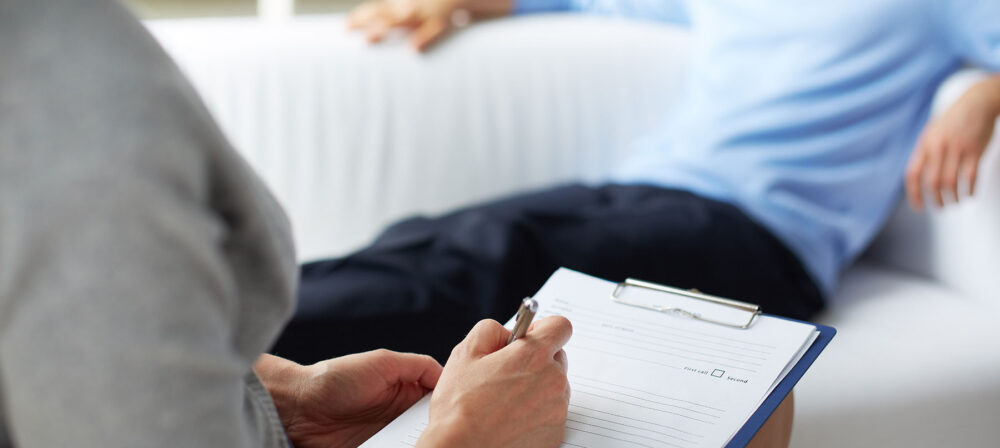
Counselling falls under the umbrella term ‘talking therapies’ and allows people to discuss their problems and any difficult feelings they encounter in a safe, confidential environment. The term can mean different things to different people, but in general, it is a process people seek when they want to change something in their lives, or simply explore their thoughts and feelings in more depth.

A counsellor is not there to sit you down and tell you what to do. Instead, they will encourage you to talk about what’s bothering you in order to uncover any root causes and identify your specific ways of thinking. The counsellor may then look to create a plan of action to either help you reconcile your issues, or help you to find ways of coping.

Counselling does not come in a cookie-cutter format and each session is tailored to the individual.

If you require any further information then do get in touch (confidentially)

Physical Activity and Mental Health

A new Mental Health Foundation study in Northern Ireland has found that physical activity is shown to improve the lives of people with severe mental health problems. The effects were particularly important for people with caring responsibilities, because the weekly activity created an outlet for them to engage socially.

A study of 31 people with severe mental health problems in Northern Ireland conducted by the Mental Health Foundation has revealed evidence of the beneficial impact of physical exercise.

The 31 participants in the study were asked to participate in a three-month exercise programme. Participants reported improvements in sleep and mood, having more energy, and feeling more mentally alert. Some participants reported that the programme led to them being able to establish new routines, make adjustments to things like diet, and bring more structure to their lives. The effects were particularly important for people with caring responsibilities, because the weekly activity created an outlet for them to engage socially.

The findings are included in a new report funded by Disability Research on Independent Living & Learning that considered the barriers to being physically active and what kind of programme would encourage people with severe mental health problems to be more active. The report – “Empowering people through physical activity” – has been produced by the Mental Health Foundation with Queen’s University Belfast, Praxis and Northern Ireland Chest Heart and Stroke. The programme was funded by the National Lottery Community Fund.

A 12-week physical activity programme was run earlier this year for people with severe mental health problems across five sites in Northern Ireland. 31 people regularly participated from all age groups. Trainers from the Platinum Training Institute tailored the programme to suit participants’ levels of fitness and ability and included covered chair-based exercises, use of resistance bands and walking activities.

Mark Rowland, Chief Executive of the Mental Health Foundation said: “At the Foundation, we want to understand how people with severe mental health problems can be supported to live active and healthy lives. Currently, people living with a diagnosis of schizophrenia and bipolar disorder live 10 to 20 years less than the general population which is simply unacceptable. Physical activity is vital way to connect with others and good for everyone’s mental health. This report will make recommendations to support those with poor mental health to take part in physical activity programmes they find enjoyable and rewarding.”

Liam, one of the co-researchers on the report, said: ‘The participants were quick to form a working relationship with someone who had a background of mental illness too and it was rewarding for us to be using our experience to give something back.’

The report recommends that physical activity for people with severe and enduring mental health problems should be recognised as a core responsibility of health and social care and community-based provision of health and leisure facilities such as local council and school-based settings. Physical activity programmes can appeal to people with mental health problems and do not have to be expensive. Successful programmes centred on walking and chair-based exercise can meet the government-recommended activity levels.

Many of the participants really valued the social aspect of participation which in some cases was more important than the physical or mental health gains. This benefit should be a primary consideration when planning programmes.
The report also stresses the need to communicate to health professionals and service providers that people with severe mental health problems are interested in their physical health and they should be supported to participate in such programmes. New programmes should also incorporate the social benefits of activity should be incorporated into the design of new programmes.

Contact the clinic if you wish to discuss personal options and a member of our team will be happy to assist.

For further information on the research go to https://www.mentalhealth.org.uk

What are we doing?

Q: What are we actually doing when we treat a client with a musculoskeletal condition?

A: Providing a treatment window for the body to do its thing. That’s it.

When a client comes to us for help with an injury (acute or chronic) it is usually because they are either; concerned about something, it is interfering with some aspect of their life, or both It is our role to identify their concerns, their goals and what is going on.

The next step is to collaborate with the client/patient and come up with a plan that will (hopefully) help them reach their goals. This is where the treatment window comes in… The treatment window is what we help create during consultations to allow the client/patient to move themselves closer to their goals. All therapies have a role in health care. All therapists have a responsibility to continue to expand their knowledge base & evolve their treatment practices. It is our job to provide treatment that is ethical, patient-centred and (as best we can) in line with the evolving research/literature. Never stop learning.