Biomechanics Assessment and Custom Orthotics Pricing at Premier Clinic Blackburn

Blackburn Clinic Offering Gait Analysis and Custom Orthotics

Most foot, ankle, knee, and hip pain does not start with the body part that hurts. It starts with how the body moves. Every step you take transmits force up through the foot, into the ankle, along the shin, through the knee, and into the hip and pelvis. When those forces are distributed correctly, the system is efficient and largely pain-free. When they are not, the structure carrying the highest load breaks down first.

Gait analysis in Blackburn at Premier Clinic identifies exactly where that loading goes wrong. Using force plate technology, video analysis, and a clinical biomechanics assessment carried out by an HCPC-registered podiatrist, the team produces a detailed picture of how each patient moves and prescribes custom orthotics, footwear guidance, or a rehabilitation programme designed to correct the specific problem rather than manage the symptom.


What Is Gait Analysis and What Does a Biomechanics Assessment in Blackburn Involve?

Gait analysis is a structured clinical assessment of how a person walks or runs. The term covers a spectrum of assessments from a brief visual observation in a sports shop, intended to guide shoe selection, to a comprehensive clinical evaluation that uses multiple technologies to capture movement data during the actual footstrike cycle.

The biomechanics assessment at Premier Clinic is the clinical version. It is a diagnostic process, not a retail one, and it is carried out by an HCPC-registered podiatrist with specialist post-graduate training in biomechanics, sports podiatry, and musculoskeletal medicine.

Stage One: Medical History and Clinical Interview

The assessment begins with a comprehensive medical history. The podiatrist asks about current symptoms, their duration and onset, which activities aggravate them, what treatments have already been tried, and relevant background including past injuries, surgical history, sporting activities, and occupation. This history frequently identifies patterns that point clearly toward a biomechanical origin before any physical examination begins.

Stage Two: Musculoskeletal Examination

A physical examination assesses the structural characteristics of the foot, ankle, knee, hip, and pelvis. This includes foot posture assessment, subtalar joint mobility, ankle range of motion, forefoot to rearfoot alignment, leg length discrepancy, hip mobility, and the presence of structural findings such as bunions, hammer toes, or cavus foot. These findings determine the starting parameters of any orthotic prescription.

Stage Three: Video Gait Analysis

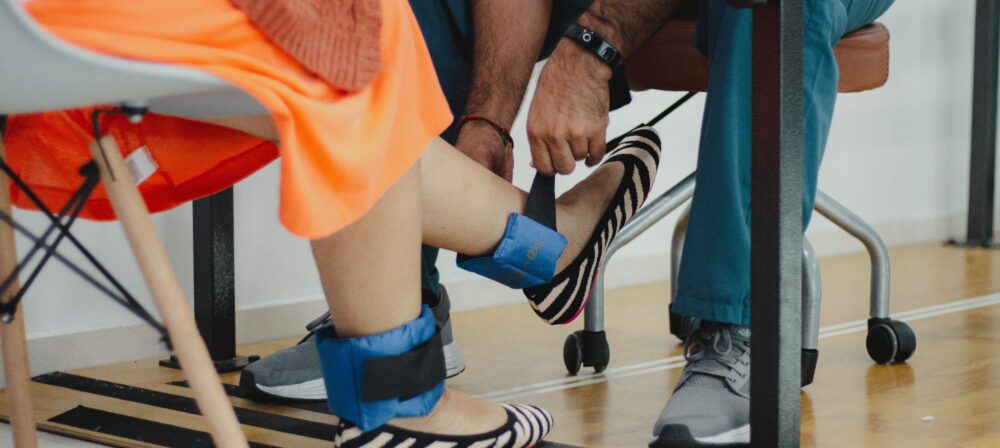
The patient walks and where clinically appropriate runs on a treadmill or flat surface while the podiatrist captures movement using video analysis from multiple angles. This allows assessment of foot strike pattern, the degree and timing of pronation and supination, tibial rotation, patellar tracking, hip movement, and trunk alignment. Video analysis captures movement patterns that are invisible to naked-eye observation and that static examination cannot reveal.

Stage Four: Dynamic Footscan and Force Plate Assessment

For patients being prescribed Phits 3D-printed orthotics, Premier Clinic uses force plate technology to capture a dynamic footscan. The patient walks or runs across a pressure plate that contains thousands of sensors, recording real-time pressure distribution at every point of the footstrike cycle. This data drives the orthotic design, ensuring the device supports the foot in motion rather than at rest, which is where symptoms occur.

Stage Five: Structured Report and Treatment Plan

Following the assessment, the podiatrist produces a written report and a structured treatment plan. The plan specifies the recommended intervention, whether that is custom orthotics, semi-custom insoles, a rehabilitation exercise programme, footwear changes, physiotherapy, or a combination. The findings are explained clearly in language the patient can act on, and the team identifies realistic goals and a realistic timeline.

A free gait analysis at a running shop tells you which shoe type suits your arch. A clinical gait analysis at Premier Clinic Blackburn tells you why you keep injuring the same structure, what is causing it, and what specifically will fix it.


Custom Orthotics in Blackburn: How They Are Made and Why They Work

Custom orthotics are medical devices made specifically for an individual patient’s foot shape, weight, gait pattern, and presenting condition. They sit inside the shoe and alter the way the foot contacts the ground with each step, redistributing pressure, correcting alignment, and reducing the mechanical forces that drive pain and injury.

Premier Clinic offers two types of custom orthotic device alongside a range of semi-custom options. The prescribing podiatrist selects the most appropriate technology based on the clinical assessment findings, the patient’s activity level, and the specific biomechanical problem being addressed.

Phits 3D-Printed Custom Orthotics

Phits orthotics are manufactured by Materialise, a world leader in medical 3D printing, using dynamic footscan data rather than a static cast impression. The result is an orthotic made from data captured while the foot is actually loading during movement, which is clinically more relevant than a static impression of the foot at rest.

The manufacturing tolerance of Phits orthotics is 0.1mm. This level of precision ensures the device fits the designed geometry exactly, with no variability from casting technique or manual manufacture. The prescribing podiatrist retains complete control over the specification through the Phits design portal, including material density, design profile, top cover specification, and footwear compatibility. Phits orthotics can be specified for daily wear, running, football boots, cycling shoes, work boots, and golf footwear.

Cast-Based Custom Orthotics

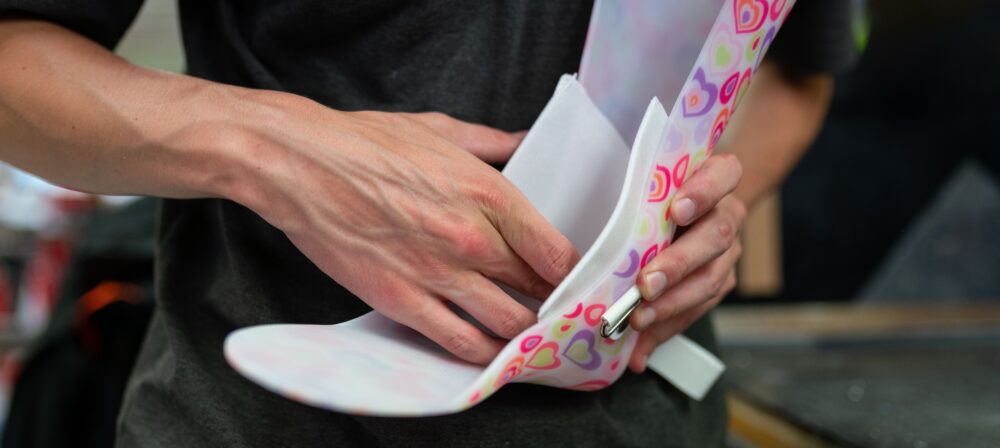
Traditional custom orthotics are produced from a plaster or foam cast impression of the foot. The cast duplicates the structural alignment of the foot and allows the podiatrist and laboratory technician to design a device that corrects specific misalignments. Cast-based orthotics remain the most clinically appropriate option for certain presentations, particularly where the structural complexity or clinical severity of the foot problem requires a degree of customisation that 3D-printed technology does not yet replicate.

Premier Clinic uses cast-based orthotics from Fit4U, a specialist orthotic manufacturer, with full specification control retained by the prescribing podiatrist. The choice between cast-based and Phits technology is made on clinical grounds, not commercial ones, and the prescribing team will explain which option is recommended and why during the assessment.

Semi-Custom Insoles: Aresta and Preventa

Not every patient presenting with a biomechanical problem requires a fully custom device. For patients where the clinical presentation is mild, where a trial device is appropriate before committing to a full custom orthotic, or where a specific product profile better matches the need, Premier Clinic also offers Aresta and Preventa semi-custom insoles through the clinic shop. These are designed by podiatrists specifically for high-risk and painful feet, including diabetic and arthritic presentations, and are prescribed at the podiatrist’s discretion.

Orthotic Refurbishment at Premier Clinic

Custom orthotics typically last two to five years depending on activity level and use. As the top cover wears down from daily use, the orthotic shell retains its clinical specification while the surface that receives the most friction deteriorates. Premier Clinic offers an orthotic refurbishment service that replaces the top cover and extends the life of the device rather than requiring a full replacement. This service is available to patients of Premier Clinic and to patients who have existing custom orthotics made elsewhere.

Phits 3D-printed orthotics are used by multiple British and World Champion athletes and are produced to a tolerance of 0.1mm from dynamic gait data. Premier Clinic at Lions Drive, Blackburn is one of the few clinics in Lancashire offering this technology.


Conditions Treated Through Gait Analysis and Orthotics at Premier Clinic Blackburn

Condition Biomechanical Driver How Gait Analysis Helps Orthotic Role
Plantar fasciitis Excessive pronation, flat arch, reduced calf flexibility Identifies arch collapse timing and load peak at fascia Reduces strain on fascia, controls pronation, cushions heel
Achilles tendinopathy Pronation creating rotational load on tendon Quantifies pronation rate and timing during heel raise Limits pronation to reduce Achilles rotational stress
Runner’s knee Foot pronation driving tibial internal rotation Links foot mechanics to knee valgus and patellar tracking Corrects pronation, reduces tibial rotation and knee load
Shin splints Ground reaction force elevated by poor foot mechanics Quantifies tibial bending force contribution from foot Reduces peak tibial load per footstrike
Ankle instability Structural predisposition to inversion Identifies lateral loading pattern and supination tendency Lateral support, inversion risk reduction
IT band syndrome Pronation and hip weakness driving band tension Identifies hip drop and femoral adduction during running Reduces pronation component of iliotibial band loading
Metatarsalgia Elevated forefoot pressure at metatarsal heads Footscan identifies exact pressure concentration points Metatarsal dome and redistribution of load off hot spots
Flat feet (pes planus) Arch collapse under load Quantifies degree and rate of arch collapse Medial arch support, rearfoot control
High arches (pes cavus) Rigid foot with poor shock absorption Identifies limited pronation and elevated heel and ball pressure Increases contact surface area, distributes impact
Bunions Pressure concentration at first metatarsophalangeal joint Identifies loading pattern at the joint during propulsion Offloads joint, slows progression
Lower back pain Leg length discrepancy or asymmetric pelvic loading Identifies asymmetric gait pattern and loading Level pelvis, restore spinal load symmetry
Post-surgical lower limb Compensatory gait patterns established during healing Identifies asymmetry and compensatory movement post-op Guides gait retraining, prevents secondary problems
Diabetic foot Neuropathy masking dangerous pressure concentration Footscan identifies high-risk pressure points Pressure redistribution, ulcer prevention
Children’s gait Developing skeletal system with atypical loading patterns Identifies developmental gait abnormalities Guides alignment during growth


Who Needs a Gait Analysis Clinic in Blackburn? Eight Patient Profiles

  1. Patients With Recurring Lower Limb Pain That Has Not Resolved

If the same foot, ankle, knee, or hip problem keeps returning despite physiotherapy, rest, or previous orthotic treatment, the cause has not been identified. A biomechanics assessment at Premier Clinic determines whether a gait or foot mechanics factor is driving the recurrence that standard treatment is not addressing.

  1. Runners and Athletes With Overuse Injuries

Running at 40 miles per week means approximately 40,000 footstrikes per foot. A small inefficiency in mechanics that would not matter at low volume becomes a guaranteed injury pathway at training volume. Premier Clinic’s gait analysis and sports injury assessment service is used by runners across Blackburn, Darwen, Accrington, Burnley, and Clitheroe who need to understand the mechanical contributor to their injury before returning to training.

  1. Footballers, Cyclists, and Field Sport Athletes

Sport-specific orthotics require sport-specific assessment. The biomechanical demands of a footballer in studded boots differ completely from those of a cyclist in cleated shoes or a tennis player on a hard court. Premier Clinic’s biomechanics service includes sport-specific orthotic prescription, with Phits variants designed for each relevant footwear profile and activity type.

  1. Patients Told They Have Flat Feet or Overpronation

Being told you have flat feet or overpronate is a description of a structural finding, not a diagnosis or a treatment plan. What matters clinically is the degree of pronation, the rate at which it occurs, which structures it is loading, and whether it is the primary driver of symptoms. A biomechanics assessment translates a generalised description into specific, actionable clinical data.

  1. Post-Surgical Rehabilitation Patients

Patients recovering from ACL reconstruction, hip or knee replacement, ankle surgery, or foot procedures develop compensatory gait patterns during the recovery period. Without biomechanical assessment, these patterns can persist after the surgical site has fully healed, causing secondary problems in adjacent structures. Premier Clinic integrates gait analysis and orthotic prescription into post-surgical rehabilitation programmes alongside the physiotherapy team.

  1. Older Adults With Foot Pain or Reduced Mobility

Foot pain in older adults is frequently biomechanical in origin and frequently undertreated because it is attributed to age rather than to a correctable mechanical problem. Custom orthotics, appropriate footwear, and a targeted rehabilitation programme can substantially improve mobility and comfort for older patients across the Blackburn and Lancashire area.

  1. Patients Managing Diabetes With Foot Complications

Diabetic neuropathy reduces the ability to feel pressure building under the foot, making undetected high-pressure areas a serious clinical risk. Force plate gait analysis identifies exactly where pressure concentrates and allows the podiatrist to prescribe an orthotic that redistributes load away from at-risk areas. Premier Clinic’s diabetic foot management combines gait analysis with the wider podiatry, private GP, and bespoke footwear services available on the same site.

  1. Patients Who Have Never Had a Formal Gait Assessment

Many patients experiencing foot or lower limb pain have never had anything beyond a brief treadmill recording at a sports retailer. This does not constitute a clinical assessment and cannot identify the biomechanical contributors to a clinical problem. A first formal gait analysis at Premier Clinic frequently reveals the origin of a problem that the patient has been managing symptomatically for years.


Free Gait Analysis vs Clinical Biomechanics Assessment: What Is the Difference?

Factor Free Gait Analysis (Running Shop) Clinical Biomechanics Assessment at Premier Clinic
Purpose Shoe recommendation Clinical diagnosis and treatment planning
Practitioner Sales assistant, not a clinician HCPC-registered podiatrist, specialist biomechanics training
Assessment duration 5 to 10 minutes 60 to 90 minutes
Technology used Short treadmill video only Video analysis, force plate, dynamic footscan
Medical history taken? No Yes, comprehensive clinical history
Physical examination? No Yes, full musculoskeletal examination
Written report? No Yes, structured clinical report
Treatment plan? No — shoe recommendation only Yes, personalised plan with specific interventions
Custom orthotics? No — prefabricated shoe inserts only Yes, Phits 3D-printed and cast-based custom options
Covers injury cause? No Yes, identifying biomechanical drivers of injury
GP referral needed? Not applicable No, self-refer directly at Premier Clinic
Saturday availability? No Yes, 9am to 1pm at Premier Clinic BB1


A clinical gait analysis at Premier Clinic Blackburn is a diagnostic appointment with a registered podiatrist, not a shoe fitting. The outcome is a treatment plan grounded in clinical data, not a product recommendation.


Why Premier Clinic Is Blackburn’s Leading Gait Analysis and Orthotics Clinic

HCPC-Registered Podiatrists With Specialist Biomechanics Training

All podiatrists at Premier Clinic are registered with the Health and Care Professions Council and hold a minimum BSc-level qualification. The clinic’s head of clinical services, Shaun Kelly, is a specialist in sports podiatry, biomechanics, and musculoskeletal medicine with over 20 years of post-graduate clinical experience gained in Royal Navy Medical Services and private practice. He holds Masters-level post-graduate qualifications and continues active CPD in biomechanics and sports conditions.

The Most Advanced Orthotic Technology in Lancashire

Premier Clinic offers Phits 3D-printed orthotics produced from dynamic footscan data to a 0.1mm tolerance, alongside traditional cast-based custom devices, semi-custom Aresta and Preventa insoles, and an orthotic refurbishment service. No other podiatry clinic based in Blackburn offers this combination of orthotic technologies. The prescribing podiatrist selects the most clinically appropriate option for each patient, not the most expensive one.

Video Analysis, Force Plate, and Dynamic Footscan as Standard

Most gait analysis clinics in the region use a single assessment method, typically treadmill video or pressure plate alone. Premier Clinic uses video gait analysis and force plate technology together, with dynamic footscan data informing Phits prescription. This combination produces a more complete clinical picture than either technology provides in isolation, particularly for identifying asymmetry between left and right sides and for quantifying the timing and degree of specific movement patterns.

Orthotics Are Part of a Wider Treatment Plan, Not the Whole Plan

Custom orthotics are most effective when they form part of a broader treatment plan that also addresses muscular weakness, movement pattern errors, and footwear. At Premier Clinic, orthotics prescribed through the biomechanics service are integrated into a wider programme that may include physiotherapy, sports massage, shockwave therapy, rehabilitation exercise, and AlterG treadmill training where clinically appropriate. The orthotic corrects foot mechanics. The wider programme addresses everything the orthotic alone cannot fix.

No GP Referral, No Waiting List, Saturday Appointments

Premier Clinic operates a self-referral model for all biomechanics and orthotics services. Appointments are typically available within one week. Saturday morning appointments are available from 9am to 1pm for patients who cannot attend during working hours. The clinic is located at 11 Cunningham Court, Lions Drive, Shadsworth Business Park, Blackburn BB1 2QS, with free on-site parking and easy M65 access for patients from Darwen, Accrington, Burnley, Clitheroe, Great Harwood, and the wider Lancashire area.


Biomechanics Assessment and Custom Orthotics Pricing at Premier Clinic Blackburn

Service What Is Included Starting Price
Initial biomechanics assessment Medical history, musculoskeletal examination, video gait analysis, clinical report, treatment plan discussion From the price list
Biomechanics assessment with footscan As above plus dynamic force plate footscan for Phits orthotic prescription From the price list
Phits 3D-printed custom orthotics Dynamic footscan data, Phits design portal specification, 3D-printed manufacture to 0.1mm tolerance, fitting appointment From the price list
Cast-based custom orthotics (Fit4U) Plaster or foam cast impression, laboratory manufacture, fitting and review appointment From the price list
Aresta and Preventa semi-custom Podiatrist-designed insoles for painful or high-risk feet, available from the clinic shop, prescribed at clinical discretion From the price list
Orthotic refurbishment Top cover replacement for existing Premier Clinic or externally made custom orthotics From the price list
Orthotic review appointment Reassessment of gait with device, modifications to specification if required, follow-up clinical review From the price list


Packages combining the biomechanics assessment and a full course of custom orthotics provide a cost advantage over individual appointments booked separately. The prescribing team will recommend the most cost-effective package at the initial assessment, based on clinical need. Full and current pricing is published at premier-clinic.co.uk/price-list. The clinic operates an explicit no-upsell policy across all services.


Frequently Asked Questions: Gait Analysis Blackburn and Custom Orthotics

Q: What does gait analysis involve at a Blackburn clinic?

A: A gait analysis at Premier Clinic Blackburn involves a detailed medical history, a full musculoskeletal examination of the feet, ankles, knees, hips, and pelvis, video analysis of walking and running patterns, and where appropriate a dynamic footscan using force plate technology. The assessment produces a written report and structured treatment plan including recommendations for custom orthotics, exercise, physiotherapy, or footwear changes.


Q: How do I know if I need a biomechanics assessment in Blackburn?

A: You may benefit from a biomechanics assessment if you experience recurring foot, heel, ankle, knee, hip, or lower back pain that has not resolved with standard treatment; if you are a runner with a recurring injury in the same location; if you have been told you have flat feet, high arches, or overpronation; or if your shoes wear unevenly on the inner or outer edge. The assessment identifies the specific mechanical factors driving your symptoms and produces a plan that addresses the cause rather than the symptom.


Q: What is the difference between custom orthotics and off-the-shelf insoles?

A: Off-the-shelf insoles provide generalised cushioning or arch support but are not made for your specific foot shape, weight distribution, or gait pattern. Custom orthotics prescribed at Premier Clinic Blackburn are made following a clinical biomechanics assessment and are designed to correct the specific mechanical problems identified in your assessment. Premier Clinic offers both traditional cast-based custom orthotics and Phits 3D-printed orthotics manufactured to a tolerance of 0.1mm from dynamic footscan data.


Q: What are Phits 3D-printed orthotics and are they available in Blackburn?

A: Phits are custom orthotics manufactured by Materialise using 3D printing technology from dynamic footscan data, accurate to within 0.1mm. Unlike cast-based orthotics that capture a static impression, Phits are produced from data captured while the foot is actually loading during movement. Premier Clinic at Lions Drive, Blackburn BB1 2QS is one of the few clinics in Lancashire offering Phits orthotics.


Q: Can gait analysis help with sports injuries in Blackburn?

A: Yes. Many sports injuries affecting the foot, ankle, knee, and hip are driven by biomechanical factors in how the athlete moves. Premier Clinic’s gait analysis and sports injury assessment uses video analysis and force plate technology to identify specific movement patterns causing injury. Custom orthotics, footwear recommendations, and a structured rehabilitation programme then address both the injury and its underlying cause.


Q: Do I need a GP referral for gait analysis at Premier Clinic Blackburn?

A: No. Premier Clinic in Blackburn operates a self-referral model for all biomechanics and orthotics services. You can book directly by calling 01254 677341 or emailing info@premier-clinic.co.uk, with no GP referral required.


Q: How much do custom orthotics cost at Premier Clinic Blackburn?

A: Full pricing for biomechanics assessments and custom orthotics at Premier Clinic Blackburn is published on the price list at premier-clinic.co.uk/price-list. Package deals are available. The team will recommend the most appropriate and cost-effective option based on clinical assessment findings.


Q: What conditions can custom orthotics help with?

A: Custom orthotics at Premier Clinic Blackburn can help with plantar fasciitis, Achilles tendinopathy, runner’s knee, shin splints, flat feet, high arches, bunions, metatarsalgia, heel pain, ankle instability, IT band syndrome, lower back pain with a biomechanical foot component, diabetic foot pressure management, and post-surgical lower limb rehabilitation. A biomechanics assessment confirms whether custom orthotics are the most appropriate intervention.


Book Your Gait Analysis at Premier Clinic Blackburn

Recurring lower limb pain, recurring injury in the same location, shoes that wear down on one side, a diagnosis of flat feet that has not produced a treatment plan: all of these are signals that the biomechanical picture has not been properly assessed.

Premier Clinic at Lions Drive, Blackburn provides the most comprehensive gait analysis and custom orthotics service in the area. An HCPC-registered podiatrist with specialist biomechanics training. Force plate technology and video analysis as standard. Phits 3D-printed and cast-based custom orthotics. No GP referral needed. Appointments available within the week. Saturday mornings available.

Call 01254 677341 to book your biomechanics assessment or to speak to the team about whether gait analysis is right for your specific condition.

Email info@premier-clinic.co.uk. Premier Clinic is at 11 Cunningham Court, Lions Drive, Shadsworth Business Park, Blackburn BB1 2QS. Open Monday to Friday 9am to 6pm and Saturday 9am to 1pm. Free parking on site.
Custom Orthotics in Blackburn:

Custom Orthotics in Blackburn: Who Needs Them and Why

The insoles most people are familiar with are the foam pads sold in supermarkets and pharmacies for a few pounds. They provide cushioning and nothing else. Custom orthotics are a different thing entirely: a clinically prescribed, precisely engineered medical device, made specifically for how your foot loads the ground when you walk or run. For patients in Blackburn and across Lancashire who have been managing recurring foot, knee, hip, or back pain without lasting results, custom orthotics often provide the missing piece of the clinical picture.

Premier Clinic on Lions Drive, Blackburn, is one of Lancashire’s leading providers of custom orthotics and biomechanics assessment. The clinic offers both traditional cast-based orthotics and Phits 3D-printed custom insoles, produced from dynamic footscan data to a tolerance of 0.1mm, using the same technology trusted by world-record athletes and elite sports programmes. This guide explains who needs custom orthotics, how gait analysis works, what Premier Clinic’s biomechanics service involves, and how to book.


What Are Custom Orthotics and How Do They Differ From Off-the-Shelf Insoles?

Custom orthotics are medical devices designed to alter or modify foot function. They sit inside the shoe and change the way the foot contacts the ground with each step, redistributing pressure, correcting alignment, and reducing the mechanical stresses that drive pain and injury.

The Royal College of Podiatry distinguishes between prefabricated insoles, which offer generalised arch support, and custom orthotics, which are prescribed following clinical assessment of an individual’s specific foot type, weight distribution, gait pattern, and presenting condition. The clinical evidence for custom orthotics over prefabricated insoles is strongest for plantar fasciitis, patellofemoral pain, and biomechanical overuse injuries in runners.

The Three Key Differences

Factor Off-the-Shelf Insole Custom Orthotic at Premier Clinic Blackburn
Made for your foot? No — generic sizing Yes — cast or dynamic footscan of your specific foot
Accounts for your gait? No — no gait assessment Yes — video gait analysis and force plate data
Addresses your condition? No — general cushioning only Yes — prescription based on clinical diagnosis
Fit precision? Variable — may shift inside shoe Accurate to 0.1mm with Phits 3D printing technology
Materials selected for you? No — fixed manufacturer spec Yes — material, density, and design chosen by prescribing podiatrist
Refurbishable? No — replace when worn Yes — Premier Clinic offers orthotic refurbishment service
Clinical warranty? No clinical accountability HCPC-registered prescriber with professional indemnity


Over-the-counter insoles are a comfort product. Custom orthotics are a medical intervention. The difference in outcome for patients with genuine biomechanical problems is substantial.


Who Needs Custom Orthotics in Blackburn? Eight Clear Indicators

Custom orthotics are not for everyone, and a reputable clinic will not prescribe them unless a biomechanical assessment confirms they are clinically indicated. The following presentations are the most common reasons patients at Premier Clinic in Blackburn are prescribed custom orthotics following assessment:

  1. Plantar Fasciitis and Chronic Heel Pain

Plantar fasciitis is the most common reason patients are referred for orthotic therapy. The plantar fascia, the thick band of tissue connecting the heel bone to the toes, becomes overloaded when the foot mechanics place excessive tension on it during weight-bearing. Custom orthotics redistribute the load across the foot, reducing the strain on the plantar fascia at its most vulnerable point. A clinical trial published in the British Journal of Sports Medicine found that custom orthotics significantly reduced pain in patients with plantar fasciitis over 12 weeks compared to sham insoles. Premier Clinic’s shockwave therapy service is often used alongside orthotic therapy for patients with persistent plantar fasciitis where tissue healing needs additional stimulation.

  1. Flat Feet (Pes Planus) and Overpronation

Patients with flat feet or excessive pronation, where the arch collapses inward during weight-bearing, place elevated stress on the plantar fascia, the Achilles tendon, the medial knee, and the hip. Custom orthotics provide medial arch support that limits this collapse, restoring a more neutral foot position and reducing the load transmitted up the kinetic chain. Importantly, the orthotic is designed for the patient’s specific degree and pattern of pronation, not a generic arch height that may overcorrect or undercorrect.

  1. High Arches (Pes Cavus) and Underpronation

Patients with high rigid arches absorb less shock during each footstrike, which increases the impact transmitted to the heel, ankle, and lateral knee. Custom orthotics for high arches are designed to increase the contact surface area between the foot and the ground, spreading the load more evenly and reducing peak pressure at the heel and metatarsal heads. This is a presentation where off-the-shelf arch supports often worsen symptoms by providing support in the wrong area.

  1. Runner’s Knee and Patellofemoral Pain

A study published in the Journal of the American Podiatric Medical Association confirmed that excessive foot pronation influences pelvic alignment and drives internal tibial rotation, which places abnormal stress on the patellofemoral joint. Runners and active patients with persistent medial knee pain who have not responded to quadriceps strengthening programmes often have an underlying foot mechanics issue that has not been assessed. Premier Clinic’s running clinic and biomechanics service are specifically designed to identify and address this pattern.

  1. Achilles Tendinopathy

The Achilles tendon is under highest load when the heel lifts off the ground during walking and running. Excessive pronation or a dropped arch increases the rotational stress on the Achilles at this critical point, driving tendon breakdown over time. Custom orthotics that control the rate and degree of pronation reduce this rotational load, complementing progressive loading programmes prescribed by the physiotherapy team.

  1. Shin Splints (Medial Tibial Stress Syndrome)

Shin splints are overwhelmingly a load management problem, and foot mechanics drive the magnitude of that load. Runners with excessive pronation generate higher ground reaction forces and increased tibial stress with every footstrike. Custom orthotics reduce the rate of pronation, lowering the peak tibial stress and complementing the load management protocols prescribed by Premier Clinic’s physiotherapy and sports injury team.

  1. Diabetic Foot Complications

Patients with diabetes who develop neuropathy lose the ability to feel pressure points building under the foot. Undetected high-pressure areas lead to skin breakdown, ulceration, and in severe cases, amputation. Custom orthotics for diabetic patients are designed to redistribute plantar pressure away from at-risk areas and protect the foot’s integrity during daily walking. This service is co-ordinated with Premier Clinic’s podiatry and foot care team and, where indicated, with bespoke footwear that can accommodate the orthotic safely.

  1. Post-Surgical Recovery and Gait Retraining

Patients recovering from ACL reconstruction, total knee replacement, hip replacement, or ankle surgery often develop compensatory gait patterns as they protect the healing area. Without biomechanical assessment, these compensatory patterns can persist long after the surgery site has healed, creating secondary problems in the knee, hip, or spine. Premier Clinic’s rehabilitation service incorporates biomechanics assessment and orthotic prescription as a standard component of post-surgical gait retraining programmes, particularly when combined with AlterG anti-gravity treadmill sessions that allow progressive weight-bearing while the orthotic corrects gait mechanics from the first steps.


How Gait Correction Works: Biomechanics Assessment at Premier Clinic Blackburn

The term gait correction is only meaningful when it is grounded in accurate data about how a specific individual moves. Premier Clinic’s biomechanics assessment in Blackburn follows a structured clinical process designed to identify the precise mechanical factors driving a patient’s symptoms. The Health and Care Professions Council (HCPC) sets the regulatory standard that all prescribing podiatrists must meet, and Premier Clinic’s biomechanics team holds HCPC registration alongside specialist post-graduate training in biomechanics.

Step 1: Medical History and Symptom Review

The assessment begins with a detailed medical history, including past injuries, surgical history, sporting activities, occupation, current footwear, and the specific onset and behaviour of symptoms. Many biomechanical problems are strongly associated with specific activities, footwear changes, or training load increases, and the history often points clearly toward the contributing factors before the physical examination begins.

Step 2: Musculoskeletal Examination

A comprehensive physical examination assesses foot posture, ankle range of motion, subtalar joint mobility, forefoot to rearfoot alignment, leg length discrepancy, hip mobility, and any structural deformity including bunions, hammer toes, or callus patterning. This examination identifies the structural characteristics that the orthotic prescription must accommodate.

Step 3: Video Gait Analysis

The patient walks and where appropriate runs on a treadmill or flat surface while video analysis captures the movement of the lower limb from multiple angles. The biomechanics team assesses foot strike pattern, degree and timing of pronation, tibial rotation, knee tracking, pelvic movement, and trunk alignment. Video analysis reveals movement patterns that are invisible to the naked eye and that static examination cannot capture.

Step 4: Dynamic Footscan (for Phits Orthotics)

For patients who are prescribed Phits 3D-printed orthotics, a dynamic footscan is completed using a pressure plate with over 4,000 sensors. The patient walks or runs across the plate, which captures real-time pressure distribution data for every millisecond of the footstrike cycle. This data is uploaded to the Phits design portal, where the prescribing podiatrist specifies the exact orthotic geometry, material density, and top cover specification. The finished orthotic is then 3D-printed to a tolerance of 0.1mm.

Step 5: Structured Treatment Plan

Following the assessment, the prescribing podiatrist produces a written report and structured treatment plan. This specifies the orthotic prescription, any footwear recommendations, any complementary treatments such as physiotherapy or shockwave therapy, and a review schedule. The treatment plan is shared with other members of the Premier Clinic team where co-ordinated care is clinically appropriate.

Biomechanics assessment at Premier Clinic is not a one-size-fits-all process. Every assessment is individual, every orthotic is unique, and every treatment plan is tailored specifically to the patient who will be using it.


Phits 3D-Printed Orthotics at Premier Clinic: Why Technology Matters for Gait Correction in Lancashire

The Phits system, developed by Materialise Healthcare, represents the highest level of precision currently available in clinical orthotic manufacture. Where traditional orthotics are cast from a static plaster impression of the foot at rest, Phits orthotics are produced from data captured while the foot is actually moving, which is where problems occur and where correction is needed.

Precision That Static Casting Cannot Match

A static cast captures the shape of the foot in a non-weight-bearing position. A dynamic footscan captures how the foot deforms under load during the actual movement that is causing pain. The difference is clinically significant, particularly for runners and athletes whose symptoms occur specifically during high-load activity rather than at rest.

Phits orthotics are printed accurate to 0.1mm. This level of precision means that the orthotic fits the designed foot geometry exactly, with no variability introduced by casting technique, laboratory interpretation, or manual manufacture. The prescribing podiatrist retains full control over the orthotic specification through the design portal.

Used by World-Record Athletes

Phits orthotics are the number one orthotic choice of multiple British and World Champion athletes. Runners at the elite level including long-distance world record holders have relied on Phits technology to maintain biomechanical precision while training at volumes that make overuse injury a constant risk. For patients in Blackburn and Lancashire, access to the same technology through Premier Clinic means clinical-grade orthotic prescription is available locally without travelling to a specialist centre in Manchester or Leeds.

Footwear Compatibility and Versatility

Phits orthotics can be specified for standard daily wear shoes, running footwear, football boots, cycling shoes, golf shoes, skiing footwear, and safety work boots. The prescribing podiatrist identifies which footwear environments are relevant to the patient’s activities and selects a design profile and top cover material accordingly. For patients whose symptoms occur across multiple activities, more than one pair may be prescribed.

Orthotic Refurbishment at Premier Clinic

Premier Clinic offers an orthotic refurbishment service for both Phits and traditional custom orthotics. When the top cover wears down from daily use, the orthotic shell itself often retains its clinical specification. Replacing the top cover rather than the entire orthotic is significantly more cost-effective and sustainable, and extends the life of a device that may have taken multiple appointments to prescribe accurately. This service is available to patients of Premier Clinic and to patients who have existing orthotics made elsewhere.


Custom Orthotics for Specific Conditions: What Premier Clinic Prescribes and Why

Condition Biomechanical Driver Orthotic Goal Combined Treatment at Premier Clinic
Plantar fasciitis Excessive pronation or flat arch overloading the fascia Arch support, heel cushioning, offloading the fascia Shockwave therapy, podiatry, stretching programme
Achilles tendinopathy Pronation increasing rotational load on tendon Reduce pronation rate, Achilles strain relief Physiotherapy progressive loading, shockwave therapy
Runner’s knee Foot pronation driving tibial internal rotation Neutral foot position, reduce medial knee stress Physiotherapy, sports massage, running clinic
Shin splints High ground reaction force from poor foot mechanics Load distribution, reduce tibial stress Physiotherapy load management, sports massage
Flat feet Arch collapse increasing strain through kinetic chain Medial arch support, rearfoot control Footwear advice, physiotherapy, podiatry review
High arches Rigid foot absorbing insufficient shock Increase contact area, distribute impact force Footwear modification, physiotherapy
Bunions (Hallux Valgus) Pressure on first metatarsophalangeal joint Offload the joint, slow progression Bespoke footwear, podiatry, possible medico-legal report
Diabetic foot Neuropathy masking dangerous pressure build-up Pressure redistribution, ulcer prevention Podiatry, private GP co-ordination, bespoke footwear
Post-ACL reconstruction Compensatory gait favouring the operated leg Restore symmetrical gait mechanics Rehabilitation programme, AlterG treadmill, physiotherapy
Back pain with postural cause Pelvic tilt from unequal leg loading Level pelvis, restore spinal load balance Physiotherapy, rehabilitation, biomechanics review
Stress fracture prevention Localised high pressure from abnormal foot loading Redistribute pressure away from vulnerable bone sites Physiotherapy, sports analysis, load management
Children’s gait problems Developing skeletal system with abnormal loading patterns Guide normal developmental alignment Podiatry, biomechanics, growth monitoring


Custom Orthotics in Blackburn: Private vs NHS — What Is the Realistic Difference?

NHS orthotics in Blackburn and East Lancashire are provided through the East Lancashire Hospitals NHS Trust orthotics service, which requires a GP referral and covers a broad range of orthoses including ankle-foot orthoses, knee braces, and foot insoles. For patients whose need is clearly clinically urgent, the NHS pathway is appropriate. For patients with chronic pain, recurring sports injuries, or performance-related gait problems, the private route at Premier Clinic offers a meaningfully different experience.

Factor NHS Orthotics (East Lancashire) Premier Clinic Blackburn (Private)
Referral required? Yes — GP referral needed No — self-refer directly
Wait time for assessment Weeks to months Typically within one week
Orthotic technology Standard functional orthotics Phits 3D-printed and cast-based options available
Dynamic gait analysis? Not routinely Yes — video and force plate data standard
Footscan technology? Not routinely available Yes — dynamic footscan for Phits prescription
Condition specificity Clinical priority driven Patient goal driven — sports, lifestyle, rehab
Footwear variants? Standard footwear only Running, football, cycling, work boot, dress shoe options
Refurbishment service? 2 to 4 weeks NHS processing Yes — quicker private refurbishment on site
Co-ordinated with physio? External referral needed Same building, same clinical record
Saturday availability? Not routinely Yes — 9am to 1pm Saturday at Premier Clinic


NHS orthotics repairs at East Lancashire Hospitals can take between two and four weeks and require bringing the device in to one of their clinics in Blackburn, Burnley, or Accrington. Premier Clinic’s private refurbishment service offers a faster turnaround without a GP referral or waiting list.


Custom Orthotics for Athletes and Runners in Lancashire

Athletes represent a distinct patient group for orthotics. The mechanical demands placed on the foot and lower limb during sport are orders of magnitude greater than those during daily walking. A runner completing 40 miles per week generates approximately 10,000 footstrikes per foot per week. A small biomechanical inefficiency repeated 10,000 times accumulates into significant injury risk. Premier Clinic’s dedicated running clinic and sports analysis service are designed specifically for this patient group.

Sport-Specific Orthotic Prescription

An orthotic prescribed for a recreational runner has different specification requirements to one prescribed for a footballer, a cyclist, or a golfer. The footwear is different, the ground contact surface is different, the forces involved are different, and the movement patterns are different. Premier Clinic prescribes sport-specific orthotics for patients across each of these disciplines, using Phits variants designed for the relevant shoe profile and activity.

Performance as Well as Injury Prevention

For healthy athletes without a current injury, biomechanics assessment and orthotics can improve running economy, power transfer efficiency, and movement symmetry. Research cited by Gait and Motion Technology, the UK distributor for Phits, shows that correcting biomechanical inefficiencies through orthotic intervention can produce measurable improvements in athletic output, even in the absence of symptoms. Premier Clinic’s sports massage service complements orthotic therapy in this group, addressing the soft tissue adaptations that develop alongside mechanical compensations.

Combining Orthotics With AlterG Rehabilitation

For athletes returning from lower limb injury, wearing their new custom orthotics during AlterG anti-gravity treadmill sessions allows the body to begin adapting to the corrected gait mechanics before full weight-bearing loads are reintroduced. This combination is particularly valuable after ACL reconstruction, stress fractures, and Achilles tendon repairs, where the risk of re-injury from poor gait mechanics is highest in the early return-to-running phase.


How to Access Custom Ort hotics and Gait Correction in Blackburn: Step by Step

Premier Clinic’s custom orthotics pathway is designed to be straightforward. No GP referral is needed. The following steps describe exactly what happens from first contact to receiving and wearing your orthotics:

Step What Happens Approximate Time
1. Book your biomechanics assessment Call 01254 677341 or book online. No referral required. Within 1 week typically
2. Attend your assessment Medical history, physical examination, video gait analysis, footscan if Phits are indicated. 60 to 90 minutes
3. Orthotic prescription Podiatrist finalises prescription and submits to manufacture. Same day
4. Manufacture Phits orthotics: 3D printed to specification. Cast orthotics: laboratory manufacture. 7 to 14 days typically
5. Fitting and dispensing Orthotics fitted, footwear checked, gait re-assessed with device. 20 to 30 minutes
6. Break-in guidance Written advice on wearing schedule, footwear requirements, and what to expect. Provided at fitting
7. Review appointment Gait re-analysed with orthotics. Modifications made if required. 6 to 8 weeks after fitting
8. Refurbishment (when required) Top cover replaced to extend orthotic life as the device wears. Every 1 to 3 years


Full pricing for the biomechanics assessment and custom orthotics is available on Premier Clinic’s price list page. Semi-custom insoles including Aresta and Preventa options are also available from the Premier Clinic shop for patients whose presentation does not require a fully custom device.


Why Choose Premier Clinic for Custom Orthotics and Gait Correction in Lancashire?

HCPC-Registered Prescribing Podiatrists

Custom orthotic prescription requires a qualified, registered practitioner. Premier Clinic’s podiatrists are registered with the Health and Care Professions Council (HCPC) and hold membership with the Royal College of Podiatry. The head of clinical services at Premier Clinic holds a Masters-level qualification in podiatry and biomechanics, with over 20 years of specialist clinical experience.

Phits 3D Technology Alongside Traditional Methods

Premier Clinic offers both Phits 3D-printed orthotics and traditional cast-based devices. This matters because not every patient needs the most expensive option. The prescribing podiatrist will recommend the most appropriate technology based on clinical assessment, activity level, and presenting condition. Where a semi-custom insole is sufficient, that will be recommended. Where the clinical case requires the precision of Phits, that is what will be prescribed.

Integrated with Physiotherapy, Sports Injury, and Rehabilitation

Orthotics are rarely a standalone intervention. Most patients who need custom orthotics also benefit from some degree of physiotherapy, sports massage, or rehabilitation alongside their device. At Premier Clinic, physiotherapy, sports injury treatment, and rehabilitation are all available on the same site, with clinical communication between practitioners. This is the difference between treating a device and treating a patient.

Accessible in Blackburn With Saturday Appointments

Premier Clinic is at 11 Cunningham Court, Lions Drive, Shadsworth Business Park, Blackburn, BB1 2QS, with free on-site parking and straightforward M65 access. The clinic serves patients from Darwen, Accrington, Burnley, Clitheroe, Rishton, and across the wider Lancashire area. Saturday appointments run from 9am to 1pm.


Frequently Asked Questions: Custom Orthotics Blackburn

Q: What are custom orthotics and how are they different from shop-bought insoles?

A: Custom orthotics are medical devices made specifically for your foot shape, weight, gait pattern, and clinical condition. Unlike over-the-counter insoles, which offer generalised support, custom orthotics are prescribed following a clinical biomechanical assessment and gait analysis. At Premier Clinic in Blackburn, custom orthotics are produced either through a traditional cast impression or via Phits 3D-printed technology using dynamic footscan data, achieving tolerances accurate to 0.1mm.


Q: How do I know if I need custom orthotics?

A: The clearest indicators are recurring pain in the feet, heels, ankles, knees, hips, or lower back that has not resolved with standard treatment; a visible pattern of excessive wear on the inner or outer edge of your shoes; a history of recurring lower limb sports injuries; or a confirmed diagnosis of flat feet, high arches, plantar fasciitis, or a biomechanical disorder. A biomechanics assessment at Premier Clinic Blackburn will confirm whether custom orthotics are clinically appropriate for your specific presentation.


Q: What is a biomechanics assessment and what does it involve at Premier Clinic Blackburn?

A: A biomechanics assessment at Premier Clinic Blackburn includes a detailed medical history, a full musculoskeletal examination, video gait analysis to assess how you walk or run, force plate pressure distribution testing, and where appropriate a dynamic footscan for Phits orthotic prescription. The assessment is carried out by an HCPC-registered podiatrist with specialist training in biomechanics.


Q: What are Phits 3D-printed orthotics and why are they considered the gold standard?

A: Phits are custom orthotics manufactured using 3D printing technology by Materialise, a world leader in medical 3D printing. Unlike cast-based orthotics that capture a static foot impression, Phits are produced from dynamic footscan data capturing how the foot actually loads during walking or running, accurate to within 0.1mm. Phits orthotics are the number one orthotic choice of multiple British and World Champion athletes.


Q: How long do custom orthotics last and can they be refurbished?

A: Custom orthotics typically last between two and five years depending on activity level and use. Premier Clinic Blackburn offers an orthotic refurbishment service, replacing the top cover and extending the life of the device rather than requiring full replacement. Phits orthotics can also have their top covers replaced through the UK-based Phits refurbishment programme.


Q: Can custom orthotics help with knee pain, hip pain, or lower back pain?

A: Yes. Research published in the Journal of the American Podiatric Medical Association found that foot pronation directly influences pelvic alignment, producing a chain reaction of internal rotations that drives knee, hip, and lower back discomfort. Custom orthotics that correct the underlying foot and ankle mechanics can therefore reduce pain in structures well above the foot. A biomechanics assessment at Premier Clinic identifies whether your pain has a biomechanical foot or gait origin.


Q: Do I need a GP referral to get custom orthotics in Blackburn?

A: No. Premier Clinic in Blackburn operates a direct self-referral model. You can book a biomechanics assessment and custom orthotic appointment without a GP referral by calling 01254 677341 or emailing info@premier-clinic.co.uk.


Q: What types of orthotics does Premier Clinic offer in Blackburn?

A: Premier Clinic in Blackburn offers Phits 3D-printed custom orthotics produced from dynamic footscan data; traditional cast-based custom orthotics for specific clinical presentations; semi-custom insoles including Aresta and Preventa options from the clinic shop; and orthotic refurbishment for existing devices. The prescribing podiatrist will recommend the most appropriate option following the biomechanical assessment.


Book Your Biomechanics Assessment and Custom Orthotics at Premier Clinic Blackburn

If recurring foot, knee, hip, or back pain has been limiting your movement, your training, or your quality of life, and standard treatments have not produced lasting results, the underlying cause may be biomechanical. A thorough gait assessment at Premier Clinic Blackburn will identify whether custom orthotics are the right intervention for your specific situation and what kind of device will serve you best.

There is no GP referral needed. Appointments are typically available within one week. Saturday mornings are available from 9am to 1pm. And the team at Premier Clinic will not prescribe anything you do not need.

Call 01254 677341 to book your biomechanics assessment or enquire about custom orthotics. You can also email info@premier-clinic.co.uk or submit an online appointment request. Premier Clinic is at 11 Cunningham Court, Lions Drive, Shadsworth Business Park, Blackburn, BB1 2QS. Free parking on site.


Gait Analysis and Custom Orthotics in Blackburn

Gait Analysis and Custom Orthotics in Blackburn: Complete Guide

If you are looking for gait analysis in Blackburn, understanding how it works and how custom orthotics can help is key to improving movement, reducing pain, and preventing injury.


Premier Clinic Ltd, located in Blackburn BB1 1AQ, provides professional gait analysis and orthotic solutions for patients across Blackburn and Lancashire. The clinic uses a structured, evidence-based approach to assess movement and deliver personalised treatment plans.


What Is Gait Analysis


Gait analysis is a detailed assessment of how you walk or run. It evaluates the movement of your feet, legs, and posture to identify any abnormalities that may be causing pain or affecting performance.


This type of assessment is often recommended for people experiencing discomfort in the feet, knees, hips, or lower back.


What Are Custom Orthotics


Custom orthotics are specially designed insoles that fit your feet precisely. They are created based on your gait analysis results to correct imbalances and provide proper support.


Orthotics can help:

  • Improve foot alignment
  • Reduce strain on joints
  • Enhance walking and running efficiency
  • Prevent recurring injuries


At Premier Clinic Ltd, orthotics are tailored to each patient to ensure effective, long-term results.


How Gait Analysis Works


At a professional walking analysis clinic in the UK, gait analysis involves a step-by-step assessment process.


Initial Assessment

  • Review of symptoms and medical history
  • Discussion of lifestyle, activity level, and concerns


Movement Analysis

  • Observation of walking or running patterns
  • Identification of imbalances or abnormal motion


Biomechanical Assessment

  • Evaluation of posture, joint alignment, and foot mechanics
  • Identification of underlying causes of pain or dysfunction


Treatment Plan

  • Recommendations based on findings
  • May include orthotics, exercises, or further podiatry care


Benefits of Gait Analysis in Blackburn


Choosing gait analysis in Blackburn provides several benefits for both everyday patients and active individuals.

  • Identifies the root cause of pain
  • Helps prevent long-term injuries
  • Improves posture and movement efficiency
  • Supports recovery from existing conditions
  • Enhances athletic performance


Premier Clinic Ltd offers personalised assessments to ensure each patient receives targeted support.


Who Should Consider Gait Analysis


You may benefit from a biomechanics assessment in Lancashire if you experience:

  • Foot, knee, hip, or lower back pain
  • Recurrent injuries
  • Difficulty walking or running
  • Uneven wear on footwear
  • Poor posture or balance issues


Early assessment can help prevent more serious complications.


Why Choose Gait Analysis in Blackburn


For those searching for a walking analysis clinic in the UK, choosing a local Blackburn clinic offers clear advantages:

  • Convenient access for follow-up appointments
  • Consistent care from the same clinical team
  • Personalised treatment based on your needs
  • Ongoing monitoring and support


Premier Clinic Ltd supports patients across Blackburn, Darwen, Accrington, and wider Lancashire.


What to Expect During Your Appointment


Your appointment is designed to be straightforward and informative.


Consultation

  • Discussion of symptoms and concerns
  • Review of medical and activity history


Assessment

  • Detailed gait and biomechanical analysis
  • Identification of movement issues


Recommendations

  • Clear explanation of findings
  • Personalised treatment plan


Ongoing Support

  • Follow-up guidance to monitor progress
  • Adjustments to treatment if needed


The goal is to improve movement, reduce discomfort, and support long-term health.


Gait Analysis and Orthotics in Blackburn and Lancashire


Premier Clinic Ltd is based in Blackburn BB1 1AQ and provides gait analysis and orthotic services to patients across Lancashire.


The clinic focuses on:

  • Evidence-based assessments
  • Patient-centred care
  • Clear communication
  • Consistent clinical standards


Frequently Asked Questions

Where can I get gait analysis in Blackburn

You can visit Premier Clinic Ltd in Blackburn BB1 1AQ for professional gait analysis and personalised orthotic solutions.


What is gait analysis used for

Gait analysis is used to identify problems with walking or running that may be causing pain, imbalance, or injury.


Can I get custom orthotics in Blackburn

Yes, custom orthotics are available following a detailed assessment to ensure they match your specific needs.


What is a biomechanics assessment in Lancashire

A biomechanics assessment evaluates how your body moves, including posture, alignment, and joint function, to identify underlying issues.


Do orthotics help with foot pain

Yes, orthotics can reduce pressure, improve alignment, and help relieve pain in the feet and lower limbs.


Who needs gait analysis

Anyone experiencing pain, imbalance, or recurring injuries, as well as athletes looking to improve performance, may benefit from gait analysis.


Book Gait Analysis in Blackburn

If you are experiencing discomfort or want to improve your movement, Premier Clinic Ltd in Blackburn provides professional gait analysis and orthotic solutions tailored to your needs.