Best Physiotherapist in Blackburn for Personalised Exercise Plans

Best Physiotherapist in Blackburn for Personalised Exercise Plans

If you are looking for post surgery rehabilitation in Blackburn, the right recovery plan is essential to restore movement, reduce complications, and support long-term health.

Premier Clinic Ltd, located in Lions Drive in Blackburn BB1 1AQ, provides structured rehabilitation services for patients across Blackburn and Lancashire. The clinic focuses on personalised physiotherapy programmes designed to help patients recover safely and regain strength after surgery.

What Is Post-Surgery Rehabilitation

Post-surgery rehabilitation involves guided physiotherapy and recovery programmes following a medical procedure. The aim is to restore function, improve mobility, and reduce the risk of complications.

Rehabilitation plays a key role in helping patients return to normal daily activities as quickly and safely as possible.

Why Rehabilitation After Surgery Is Important

After surgery, the body needs time and structured support to heal properly. Without appropriate rehabilitation, recovery may be slower and less effective.

Key benefits of rehabilitation include:

  • Restoring strength and movement
  • Reducing pain and stiffness
  • Improving flexibility and mobility
  • Preventing complications such as joint stiffness
  • Supporting long-term recovery outcomes

At Premier Clinic Ltd, recovery plans are tailored to each patient’s condition and surgical procedure.

Common Conditions Requiring Rehabilitation

Post-surgery rehabilitation in Blackburn is often recommended after:

  • Orthopaedic surgery such as knee or hip procedures
  • Ligament or tendon repair
  • Spinal or back surgery
  • Sports injury surgery
  • Joint replacement procedures

Each recovery plan is adapted based on the type of surgery and individual patient needs.

Post-Surgery Rehabilitation Services in Blackburn

A professional recovery clinic in Blackburn should offer a structured approach to rehabilitation.

Initial Assessment

A detailed evaluation of mobility, strength, and surgical outcomes to understand recovery needs.

Physiotherapy Treatment

Hands-on therapy to improve movement, reduce stiffness, and support healing.

Exercise Rehabilitation

Guided exercises to rebuild strength, improve flexibility, and restore function.

Mobility and Movement Training

Support to improve balance, coordination, and safe movement.

Progress Monitoring

Regular reviews to adjust the rehabilitation plan as recovery progresses.

What to Expect During Your Rehabilitation Programme

Your rehabilitation journey at a physio clinic in Lancashire is structured and progressive.

Early Stage Recovery

Focus on gentle movement, pain management, and preventing stiffness.

Mid Stage Recovery

Gradual increase in strength, flexibility, and range of motion.

Advanced Recovery

Return to normal activities, improved function, and injury prevention.

Each stage is carefully managed to ensure safe and effective recovery.

Who Needs Post-Surgery Rehabilitation

You should consider physiotherapy after surgery in Lancashire if you experience:

  • Reduced mobility
  • Pain or stiffness
  • Weakness in the affected area
  • Difficulty returning to daily activities
  • Slow or incomplete recovery

Early rehabilitation support can significantly improve outcomes.

Why Choose a Recovery Clinic in Blackburn

Choosing a local clinic provides important advantages:

  • Easy access to regular sessions
  • Consistent care from the same practitioner
  • Personalised treatment plans
  • Ongoing monitoring and support

Premier Clinic Ltd serves patients across Blackburn, Darwen, Accrington, and wider Lancashire.

Post-Surgery Rehab in Blackburn and Lancashire

Premier Clinic Ltd is based in Blackburn BB1 1AQ and provides rehabilitation services to patients across Lancashire.

The clinic focuses on:

  • Evidence-based physiotherapy
  • Patient-centred recovery plans
  • Clear communication
  • Long-term rehabilitation outcomes

Frequently Asked Questions

Where can I get post surgery rehabilitation in Blackburn

You can visit Premier Clinic Ltd in Blackburn BB1 1AQ for structured rehabilitation programmes tailored to your recovery needs.

What does physiotherapy after surgery involve

It involves guided exercises, manual therapy, and progressive rehabilitation to restore movement and strength.

How long does post-surgery recovery take

Recovery time varies depending on the procedure, but a structured rehabilitation plan helps improve outcomes and supports safe recovery.

Is there a recovery clinic in Blackburn

Yes, Premier Clinic Ltd provides professional rehabilitation services for patients recovering from surgery.

Do I need rehabilitation after surgery

In most cases, rehabilitation is recommended to ensure proper healing, restore function, and prevent complications.

Can physiotherapy improve recovery after surgery

Yes, physiotherapy plays a key role in improving mobility, strength, and overall recovery outcomes.

Book Post-Surgery Rehabilitation in Blackburn

If you are recovering from surgery, Premier Clinic Ltd in Blackburn provides personalised rehabilitation programmes designed to support your recovery and long-term health.

post surgery physiotherapy Blackburn

Best Physiotherapy Options in Blackburn for Post-Surgery Rehabilitation

Surgery is often just the first step. What happens in the weeks and months afterwards, how quickly you mobilise, how your programme is staged, and how closely it is supervised, has a real influence on how well and how fully you recover. If you are searching for post-surgery physiotherapy in Blackburn, knowing what separates a genuinely good rehabilitation service from a basic one is worth understanding before you book.

This guide covers why post-surgery physiotherapy matters, what to look for when choosing a provider, and what a structured recovery programme at Premier Clinic actually involves.

Why Post-Surgery Physiotherapy Matters

The Evidence for Early, Structured Rehabilitation

Clinical guidance is consistent on this point. NICE guideline NG157 on hip, knee and shoulder replacement recommends that a physiotherapist or occupational therapist should offer rehabilitation on the day of surgery if possible, and no more than 24 hours afterwards. This is not a minor detail. Evidence reviewed by NICE found that starting rehabilitation within this window was linked to shorter hospital stays, reduced readmissions, and better pain control compared with delayed rehabilitation.

For patients recovering outside a hospital inpatient stay, the same underlying principle still applies: the sooner movement is introduced in a controlled, supervised way, the better the outcomes tend to be, provided this is balanced correctly against protecting the surgical site while it heals.

What Happens Without Structured Rehabilitation

Skipping or delaying structured physiotherapy after surgery does not just slow recovery, it can actively work against it. Reduced early mobility is associated with a higher risk of chest infections, blood clots, and muscle wasting, while joints that are not guided through a progressive range of motion programme are more prone to stiffness. A generic set of exercises handed over at discharge, without ongoing review, often fails to catch these issues before they become established problems.

What to Look for When Choosing Post-Surgery Physiotherapy in Blackburn

Registered, Experienced Clinicians

Look for HCPC registered physiotherapists with specific experience in your type of surgery. Recovery from a knee replacement looks very different from recovery after spinal surgery or a soft tissue repair, and a provider who treats a broad range of post-surgical patients regularly will recognise normal variation in recovery versus something that needs attention.

A Staged, Progressive Programme

Post-surgery rehabilitation should move through clear stages, protecting the surgical site early on, then progressively building mobility, strength and function, rather than following a single fixed exercise sheet from day one to discharge.

Access to Appropriate Equipment

Some patients are not ready for full weight-bearing exercise in the early stages, but delaying all activity until they are can slow recovery unnecessarily. Access to equipment such as an AlterG anti-gravity treadmill allows load to be introduced gradually and safely, which is particularly useful after lower limb surgery.

Flexibility Around Appointment Times

Post-surgery rehabilitation often requires more frequent appointments in the early stages. A provider offering appointments without a long referral wait, including weekday and Saturday slots, makes it easier to keep up the frequency your recovery actually needs.

NHS Physiotherapy vs Private Post-Surgery Rehabilitation

Feature NHS Physiotherapy Private Physiotherapy (Premier Clinic)
Waiting time for first appointment Often several weeks post-discharge Typically available within days
Referral required Usually yes No referral required
Appointment frequency Limited by service capacity Flexible, based on your recovery needs
Continuity of clinician Can vary between appointments Consistent clinician throughout your programme
Access to advanced equipment Varies by trust and location AlterG anti-gravity treadmill available on site

This is not a criticism of NHS physiotherapy, which provides essential care to a very high volume of patients under considerable demand. It reflects a genuine difference in capacity and flexibility that private rehabilitation is often better placed to offer, particularly in the weeks immediately after surgery when momentum and consistency matter most to the eventual outcome.

Common Surgeries That Benefit From Structured Physiotherapy

Surgery Type Typical Rehabilitation Focus
Knee or hip replacement Restoring range of motion, weight-bearing progression, gait retraining
ACL reconstruction Staged strength and stability work, return-to-sport testing
Foot or ankle surgery Protected early mobility, balance and proprioception, gradual return to weight-bearing
Spinal surgery Core stability, posture, graded return to daily activity
Shoulder surgery Range of motion recovery, rotator cuff strengthening, functional overhead movement
Soft tissue or tendon repair Protected healing phase followed by progressive loading

Common Concerns About Post-Surgery Physiotherapy

“Will physiotherapy be too painful so soon after surgery?” Rehabilitation in the early stages is carefully graded to your surgical stage and pain levels. It should never involve pushing through significant pain, and your clinician will adjust the programme if something feels wrong rather than pushing ahead regardless.

“I feel fine, do I still need to attend every session?” Feeling comfortable at rest does not always mean the joint or tissue has regained full strength and control. Skipping sessions once symptoms settle is one of the more common reasons rehabilitation stalls before full function has actually been restored.

“What if my recovery is slower than expected?” Recovery speed varies considerably between individuals, even for the same procedure. A good rehabilitation programme adjusts to your actual progress rather than working to a fixed timeline that ignores how you are responding.

Setting Realistic Recovery Goals

A useful rehabilitation programme is built around goals that are specific to you, not a generic milestone chart. This might mean returning to a particular sport, being able to manage stairs confidently, getting back to physical work, or simply moving around the house without discomfort. Being clear about your goals from the outset allows your physiotherapist to design a programme that progresses toward what actually matters to you, rather than a standard checklist that may not reflect your circumstances.

Goals are also useful for measuring progress honestly. Rather than relying on a vague sense of “feeling better,” a specific goal such as walking a set distance without discomfort, or managing a full flight of stairs, gives both you and your physiotherapist a clear marker of whether the programme is progressing as expected or needs adjusting.

What to Bring to Your First Post-Surgery Physiotherapy Appointment

Bringing the right information to your first appointment helps your physiotherapist build an accurate picture of your recovery so far. This typically includes:

  • Details of your surgery, including the date and the procedure performed
  • Any discharge notes or advice provided by your surgical team
  • A list of current medications
  • Any specific concerns or symptoms you have noticed since surgery
  • Your personal goals for recovery, whether that is returning to sport, work, or everyday activity

What a Post-Surgery Rehabilitation Programme Looks Like at Premier Clinic

Stage 1: Protection and Early Mobility

In the days following surgery, the priority is protecting the healing tissue while introducing safe, appropriate movement to reduce stiffness and support circulation.

Stage 2: Restoring Range of Motion

As healing progresses, treatment focuses on regaining full, comfortable movement in the affected joint or area, using manual therapy and guided exercise.

Stage 3: Building Strength

Once movement has been restored, the programme shifts toward rebuilding strength around the surgical site, often supported by the AlterG anti-gravity treadmill where reduced load is still needed.

Stage 4: Functional and Activity-Specific Training

Exercises progress to reflect the demands of your normal daily activity, work, or sport, rather than staying limited to basic clinical movements.

Stage 5: Review and Discharge Planning

Your recovery is reviewed against your original goals before discharge, with a clear plan for maintaining progress independently afterwards.

Who Benefits Most From a Structured Rehabilitation Programme

  • Patients recovering from joint replacement, ACL reconstruction, spinal surgery, or other major procedures with a clear staged recovery pathway
  • Anyone whose recovery has stalled or plateaued despite following general advice given at discharge
  • Patients who want closer supervision and more frequent contact with a physiotherapist than standard NHS capacity allows
  • People returning to sport, physical work, or an active lifestyle who need function tested rather than assumed
  • Patients recovering from surgery some time ago who still have unresolved stiffness, weakness, or reduced confidence in the affected area
  • Patients whose home exercise programme alone has not fully resolved lingering symptoms, and who would benefit from hands-on treatment alongside supervised exercise progression

Why Choose Premier Clinic in Blackburn for Post-Surgery Rehabilitation

Premier Clinic is based at Lions Drive, Shadsworth Business Park, Blackburn BB1, serving patients across Blackburn, Darwen, Accrington and the wider Lancashire area.

HCPC registered physiotherapists. Your rehabilitation is led by qualified, registered clinicians throughout.

No referral required. Appointments can be booked directly, including Saturday mornings, without waiting for a GP referral to be processed.

AlterG anti-gravity treadmill on site. This allows earlier, safer reintroduction of weight-bearing activity for suitable patients recovering from lower limb surgery.

Multidisciplinary support. Where recovery would benefit from podiatry, biomechanical assessment, or ongoing GP input, this can be coordinated from the same site rather than referred elsewhere.

Frequently Asked Questions

How soon after surgery should I start physiotherapy?

Clinical guidance for procedures such as hip, knee and shoulder replacement recommends rehabilitation beginning on the day of surgery if possible, and no more than 24 hours afterwards. Your surgeon or physiotherapist will confirm the right timeline for your specific procedure.

Do I need a referral to start post-surgery physiotherapy at Premier Clinic?

No referral is required. You can book directly by calling 01254 677341 or emailing info@premier-clinic.co.uk.

How long does a typical post-surgery rehabilitation programme last?

This depends on the surgery and your individual recovery. Some patients complete their programme within a few weeks, while more complex procedures may involve several months of staged rehabilitation.

What if I am not ready for full weight-bearing exercise yet?

Equipment such as the AlterG anti-gravity treadmill allows load to be introduced gradually, which is particularly useful for patients recovering from lower limb surgery who are not yet ready for full weight-bearing activity.

Can physiotherapy help even if my surgery was several weeks or months ago?

Yes. While early rehabilitation offers the strongest evidence for outcomes, physiotherapy can still help address stiffness, weakness or a delayed recovery even if it has already been some time since your operation.

Is it normal to feel like recovery has plateaued at some point?

Yes, this is common and does not necessarily mean something has gone wrong. Recovery often progresses in stages rather than a straight line, and a plateau can sometimes be addressed by adjusting the programme, for example progressing strength work sooner or introducing more activity-specific exercise.

Will I need to continue exercises at home between appointments?

In most cases, yes. Home exercise is usually an important part of maintaining progress between clinic visits, and your physiotherapist will provide a programme suited to your current stage of recovery.

How to Book Your First Appointment

Booking is straightforward and does not require a GP or surgical referral. You can call the clinic directly, describe your surgery and current stage of recovery, and the team will arrange an initial assessment with a physiotherapist experienced in that type of procedure. If your surgery was recent, it is worth booking as soon as you are able to attend, since starting rehabilitation sooner is generally linked to better outcomes than waiting until problems such as stiffness or reduced confidence have already set in.

Book Your Post-Surgery Rehabilitation

If you are recovering from surgery and want a structured, closely supervised rehabilitation programme, call Premier Clinic on 01254 677341 or request an appointment to get started.

Recurring Injury After Physiotherapy

Recurring Injury After Physiotherapy? Book an Advanced Assessment in Blackburn

You did the physiotherapy. You followed the exercises. The pain settled down, you went back to normal activity, and then a few weeks or months later, the same injury turned up again. If that sounds familiar, the problem is rarely that physiotherapy “didn’t work.” More often, the treatment resolved the symptom without ever identifying what was actually causing it.

This guide looks at why injuries recur after physiotherapy, what an advanced assessment adds that a standard course of treatment sometimes misses, and what to expect if you book one at Premier Clinic in Blackburn.

Why Injuries Come Back After Physiotherapy

Standard physiotherapy is very effective at treating the injury in front of it: calming inflammation, restoring range of motion, and rebuilding strength in the affected area. What it does not always investigate is why that area became overloaded in the first place.

Treating the Symptom vs Treating the Cause

Approach What It Addresses Limitation
Standard physiotherapy course The injured tissue itself, pain and mobility May not identify a mechanical factor driving repeated overload
Advanced assessment (biomechanics/gait) How you move as a whole, identifying contributing factors Requires specific equipment and a more detailed assessment process
Combined approach Both the injury and its underlying cause Takes longer to complete but addresses recurrence directly

If your ankle, knee, hip or lower back keeps flaring up in a similar way each time, there is often a movement pattern, alignment issue, or biomechanical factor that a general course of physiotherapy has not been asked to look for.

Signs You May Need an Advanced Assessment, Not Just More Physiotherapy

Physiotherapy can be highly effective for many injuries, but if the same problem keeps returning, it may be worth looking beyond the immediate symptoms. Repeated setbacks can sometimes indicate that an underlying strength deficit, movement pattern, loading issue or biomechanical factor has not been fully addressed.

An advanced assessment can help build a clearer picture of why the injury keeps happening, rather than simply treating each episode when it appears.

You may benefit from a more detailed assessment if:

The Same Injury Has Returned Multiple Times

If you have suffered the same injury two or more times, particularly after completing a previous course of rehabilitation, it may be useful to reassess the factors contributing to the recurrence.

For example, repeatedly experiencing ankle, knee, hamstring or running-related injuries could warrant a closer look at strength, mobility, balance, movement control and the way load is distributed through the body.

Symptoms Return When You Resume Full Activity

Some people feel completely comfortable performing their rehabilitation exercises but experience pain or weakness when they return to normal training.

This can happen because rehabilitation exercises may not fully replicate the speed, impact, repetition or movement demands of your sport or daily activity.

An advanced rehabilitation assessment can help identify where the gap exists between clinic-based exercise and real-world performance.

Previous Treatment Focused Mainly on the Painful Area

The location of pain is not always the only factor that needs attention.

For lower-limb injuries, for example, it may be useful to consider how the foot, ankle, knee, hip and pelvis work together during walking, running, jumping or other activities.

If previous treatment concentrated primarily on the painful area without considering overall movement, a broader assessment may provide additional information.

Symptoms Keep Returning After Rest

Rest can sometimes reduce symptoms without addressing the reason they developed in the first place.

A common pattern is:

Pain develops → activity is reduced → symptoms improve → normal activity resumes → symptoms return.

If this cycle has happened repeatedly, simply repeating the same period of rest may not provide a long-term solution.

Instead, rehabilitation may need to examine whether the body has developed sufficient strength and tolerance to handle the activity being resumed.

You Notice One Side Compensating for the Other

You may notice that you favour one leg, shift your weight, avoid loading one side or feel that one side is doing more work than the other.

These compensations are not necessarily the cause of an injury, but they can be useful observations to discuss during an assessment.

A detailed movement or biomechanics assessment may help identify relevant differences in how you walk, run or perform specific movements.

You Are Unsure Whether You Are Actually Ready to Return

Feeling better is encouraging, but returning to demanding activity requires more than simply having less pain.

If you are unsure whether your strength, balance, movement control and load tolerance have returned sufficiently, an objective assessment can help guide the next stage of rehabilitation.

This is particularly relevant for athletes who need to return to activities involving sprinting, jumping, rapid changes of direction, contact or repeated high-intensity efforts.

Your Injury Is Limiting More Than One Type of Activity

If an injury affects walking, running, gym training, work and everyday movement, it may require a broader rehabilitation strategy.

Rather than focusing on one isolated movement, an assessment can look at how your symptoms respond to different types and levels of activity and help establish a progressive route back to normal function.

When an Advanced Assessment Can Add Value

The purpose of an advanced assessment is not to replace physiotherapy. In many cases, it is an extension of the rehabilitation process.

The assessment can help answer questions such as:

  • What is currently limiting my performance?
  • Has my strength returned sufficiently?
  • Is my movement quality comparable on both sides?
  • Can I tolerate the loads required by my sport or work?
  • Do I need to change how I progress my training?
  • Are there biomechanical factors worth addressing?
  • What should I work on before returning to full activity?

The answers can then be used to make rehabilitation more specific to your individual needs.

For someone recovering from a straightforward injury and progressing normally, standard physiotherapy may be entirely appropriate. For someone experiencing repeated setbacks or struggling to return to their previous level, a more detailed assessment may help identify what needs to change.


What an Advanced Assessment Involves

An advanced assessment goes beyond checking the injured joint or muscle in isolation. At Premier Clinic, this typically combines a detailed clinical history with objective movement analysis.

Clinical History and Pattern Review

The assessment starts with understanding not just your current symptoms, but the pattern of previous episodes: how many times the injury has recurred, what triggered each flare-up, and what treatment was tried previously.

Gait and Movement Analysis

Using video gait analysis and, where relevant, force plate technology, our team can assess how you actually move, rather than relying on observation alone. This often reveals compensations or imbalances that are not obvious from symptoms alone, particularly for injuries affecting the foot, ankle, knee or hip.

Biomechanical Assessment

A biomechanical assessment looks at joint alignment, foot mechanics and movement efficiency to identify whether a structural or functional factor is placing repeated strain on the injured area. This is particularly relevant for recurring lower limb injuries in runners and other athletes.

A Combined Treatment Plan

Rather than repeating the same course of physiotherapy that has already been tried, the findings from an advanced assessment are used to build a plan that addresses both the current injury and the underlying contributing factor, which may include targeted exercise, orthotics, or a change in training load.

Common Recurring Injuries and Their Typical Underlying Causes

Certain injuries are particularly known for returning after treatment because the tissue itself heals, while the mechanical factor that overloaded it in the first place goes unaddressed.

Recurring Injury Common Underlying Factor
Plantar fasciitis Foot mechanics, tight calf muscles, or an abrupt increase in load
Achilles tendinopathy Ankle range of motion, calf strength imbalance, or training load
Iliotibial band (ITB) syndrome Hip stability and control affecting how load travels down the leg
Recurring ankle sprains Previous ligament laxity combined with impaired balance and proprioception
Shin splints Foot mechanics, running surface, or rapid changes in training volume
Lower back pain Compensatory movement patterns originating from the hip, pelvis or lower limb

This is not an exhaustive list, and the exact cause is always specific to the individual, which is exactly why a formal assessment matters more than assuming the same explanation applies to everyone with a similar injury.

Why Runners and Repetitive-Movement Athletes Are Especially Prone to Recurrence

Running, and any sport involving repetitive, similar movement patterns, magnifies small mechanical inefficiencies over thousands of repetitions. A subtle issue with foot strike, hip control or ankle mobility might cause no noticeable problem over a short distance, but becomes significant once training volume increases. This is why an injury can appear to resolve fully with rest and physiotherapy, only to return once training returns to its previous level, since the repetitive load that originally caused the problem has also returned.

How Long Does an Advanced Assessment Take?

An advanced assessment is typically more involved than a standard physiotherapy appointment, since it combines clinical history, movement analysis and biomechanical assessment in a single visit. Most patients should expect this initial assessment to take longer than a routine follow-up session, with findings and a treatment plan discussed either at the end of the appointment or at a short follow-up review once the results have been fully analysed.

What Happens if the Assessment Does Not Find a Clear Mechanical Cause

Not every recurring injury has an obvious biomechanical driver. In some cases, the underlying factor is related to training load, recovery time, or a specific movement technique rather than structural alignment. Where this is the case, the assessment still adds value by ruling out a mechanical cause with confidence, allowing your treatment plan to focus on load management, technique, or a graded return-to-activity programme instead.

Who This Is For

  • Athletes and active adults whose injury has recurred despite completing physiotherapy
  • Runners with a lower limb injury that returns each time training resumes
  • Patients who feel their previous treatment addressed pain but not the underlying cause
  • Anyone experiencing a pattern of compensation, such as one side consistently taking more load than the other

What to Expect When You Book at Premier Clinic

Premier Clinic in Blackburn brings physiotherapy, podiatry and biomechanics assessment together under one roof at Shadsworth Business Park, BB1. This matters specifically for recurring injuries, because the cause is often outside the physiotherapist’s usual field of focus, for example a foot mechanics issue contributing to a knee injury, or a hip alignment factor contributing to recurring ankle sprains.

Appointments are available without a GP referral, including Saturday mornings, and findings from your assessment are used to build a plan specific to what has actually been identified, rather than repeating a generic rehabilitation programme.

Frequently Asked Questions

Why did my injury come back if physiotherapy resolved my symptoms?

Physiotherapy is often very effective at resolving pain and restoring movement in the injured area, but if an underlying mechanical or movement-related factor caused the overload in the first place, that factor can continue to place strain on the area once you return to full activity.

How is an advanced assessment different from a standard physiotherapy appointment?

An advanced assessment includes objective movement analysis, such as video gait analysis or biomechanical assessment, to look at how your whole body moves rather than focusing only on the injured area in isolation.

Do I need a referral to book an advanced assessment?

No referral is required. You can book directly by calling 01254 677341 or emailing info@premier-clinic.co.uk.

Will I need more physiotherapy after the assessment?

Possibly, but the treatment plan will be shaped by what the assessment identifies, which may include targeted exercise, orthotics, or adjustments to training, rather than repeating the same programme that has already been tried.

Is this suitable for non-sporting recurring injuries, such as back or hip pain?

Yes. While biomechanics assessment is often associated with sports injuries, the same principles apply to recurring musculoskeletal issues in general, including back, hip and lower limb pain that keeps returning after treatment.

What if the assessment doesn’t find a clear mechanical cause?

The assessment still adds value by ruling out a structural or biomechanical cause, which allows your treatment plan to focus with more confidence on factors such as training load, technique or recovery rather than continuing to guess at a mechanical explanation.

How long does the initial assessment appointment take?

An advanced assessment generally takes longer than a routine physiotherapy follow-up, since it combines clinical history, movement analysis and biomechanical assessment in one visit. Exact timing will be confirmed when you book.

Book Your Advanced Assessment

If the same injury keeps coming back despite physiotherapy, it may be time to look beyond the symptom itself. Call Premier Clinic on 01254 677341 or request an appointment to book an advanced assessment.

Where Can I Find Sports Injury Physiotherapy in Blackburn with Personal Exercise Plans?

Finding the right support after a sports injury can make a significant difference to how you approach recovery. Whether you are a recreational runner, footballer, gym-goer, cyclist or competitive athlete, simply resting until the pain settles does not always address the underlying problem.

For people looking for sports injury physiotherapy in Blackburn, a personalised assessment and structured rehabilitation programme can provide a clearer pathway from injury through to returning to normal activity.

Premier Clinic in Blackburn provides physiotherapy, sports injury assessment, sports rehabilitation, sports massage, biomechanics, shockwave therapy and AlterG treadmill rehabilitation under one roof. The clinic uses individual assessments to develop treatment and rehabilitation plans around the patient’s condition, activity level and recovery goals.

What Is Sports Injury Physiotherapy?

Sports injury physiotherapy focuses on assessing and managing injuries that affect movement, strength, mobility and sporting performance.

Rather than treating every injury in exactly the same way, a physiotherapist can assess factors such as:

  • Where the pain or injury is located
  • How the injury happened
  • Current movement and mobility
  • Muscle strength and control
  • Previous injuries
  • Training and activity levels
  • Sporting demands
  • Factors that may contribute to recurrence

This information can then be used to develop an appropriate treatment and exercise programme.

At Premier Clinic, patients begin with a clinical assessment before treatment is planned. The clinic states that physiotherapy programmes can include guided rehabilitation exercises, mobility work, strengthening programmes, postural correction and advice designed around longer-term recovery.

Why Choose Sports Physiotherapy in Blackburn?

Sports physiotherapy can be useful for people who want to return to an active lifestyle rather than simply manage symptoms.

A rehabilitation programme may focus on:

  • Restoring movement
  • Building strength
  • Improving stability
  • Developing balance and coordination
  • Gradually increasing activity
  • Improving sport-specific movement
  • Addressing contributing factors
  • Supporting a return to training

The precise programme will depend on the individual’s injury and assessment.

For example, someone recovering from an ankle sprain may require a different progression from a runner recovering from Achilles tendinopathy or a footballer returning after a knee injury.

That is why personalised rehabilitation is an important part of sports injury care.

What Sports Injuries Can Be Treated?

People searching for Sports Physiotherapy Blackburn may be dealing with a wide range of injuries.

Common presentations can include:

Injury or condition Potential rehabilitation focus
Ankle sprains Mobility, strength, balance and proprioception
Hamstring strains Progressive loading and strength
Knee injuries Strength, movement control and functional rehabilitation
Achilles problems Progressive tendon loading
Plantar fasciitis Load management, biomechanics and appropriate treatment
Shin pain Activity modification, strength and movement assessment
Shoulder injuries Mobility, strength and functional movement
Tennis elbow Load management and strengthening
Hip and groin injuries Strength, mobility and sport-specific rehabilitation
Lower back pain Movement, strength and functional rehabilitation
Recurring sports injuries Assessment of contributing factors and rehabilitation

Premier Clinic’s sports injury service covers conditions including plantar fasciitis, Achilles tendinopathy, ACL-related rehabilitation, runner’s knee, shin splints, hamstring injuries, tennis elbow, shoulder conditions, ankle injuries and sports-related back pain.

Personal Exercise Plans in Blackburn

One of the most useful elements of physiotherapy is having exercises that are relevant to your specific condition.

A generic list of exercises may not account for your current strength, mobility, pain levels, sport or stage of recovery.

Personal Exercise Plans Blackburn can instead be built around individual assessment findings.

A programme may include:

Strengthening Exercises

Targeted strengthening can help rebuild capacity in muscles affected by injury or reduced activity.

Mobility Exercises

Where appropriate, mobility work can help restore movement following injury, stiffness or periods of reduced activity.

Balance and Stability Training

This can be particularly relevant following ankle, knee and lower-limb injuries.

Progressive Loading

Some injuries require a gradual increase in load rather than complete rest. A rehabilitation programme can help structure this progression.

Functional Exercises

As recovery progresses, exercises can become more closely related to everyday activities or sporting movements.

Return-to-Sport Conditioning

Athletes may need to progress from basic rehabilitation to running, jumping, changing direction or other sport-specific activities.

The exercises should be adjusted as recovery progresses rather than remaining unchanged throughout treatment.

How Does a Personalised Rehabilitation Plan Work?

A typical rehabilitation pathway may involve several stages.

1. Initial Assessment

The first step is understanding the injury and assessing movement, strength and function.

The physiotherapist may discuss:

  • Symptoms
  • Injury history
  • Training
  • Previous injuries
  • Lifestyle
  • Sporting goals
  • Activities that aggravate or improve symptoms

2. Treatment Plan

Following assessment, the clinician can explain the findings and establish an appropriate treatment approach.

This may include hands-on physiotherapy, therapeutic exercise, activity modification or additional rehabilitation services where appropriate.

3. Home Exercise Programme

Patients may be given exercises to complete between appointments.

The purpose is to make rehabilitation part of the recovery process rather than relying solely on appointments.

4. Progression

Exercises can become more challenging as strength, movement and tolerance improve.

The programme may progress from basic movements towards functional or sport-specific activities.

5. Return to Activity

The final stage is working towards the activities that matter to the patient.

For an athlete, that could mean returning to running, football, gym training or another sport.

Sports Rehabilitation Blackburn: More Than Treating Pain

A successful return to activity involves more than waiting for pain to disappear.

Sports Rehabilitation Blackburn can involve rebuilding the physical qualities required for a particular activity.

Depending on the injury, this can include:

  • Strength
  • Flexibility
  • Balance
  • Coordination
  • Cardiovascular conditioning
  • Running capacity
  • Agility
  • Power
  • Sport-specific movement

Premier Clinic describes its rehabilitation programmes as structured around clearly defined stages, including progressive strengthening, functional movement retraining, proprioception work, sport-specific conditioning and return-to-performance testing.

This type of progression can be particularly relevant to athletes who need to return to a specific level of physical performance.

Injury Recovery Blackburn: Why the Cause Matters

If an injury keeps returning, treating the immediate symptoms may not be enough.

A recurring problem can sometimes be associated with factors such as:

  • Training load
  • Technique
  • Strength deficits
  • Movement patterns
  • Biomechanics
  • Inadequate recovery
  • Previous injury
  • Sudden changes in activity

A detailed assessment can help identify factors that may need attention as part of rehabilitation.

Premier Clinic also offers biomechanics assessment and gait analysis alongside physiotherapy and sports rehabilitation.

For runners and other endurance athletes, gait and movement assessment can be particularly relevant when investigating recurring lower-limb problems.

Sports Injury Physiotherapy for Different Types of Athletes

Sports injury treatment is not limited to professional athletes.

Runners

Runners may seek treatment for issues including plantar fasciitis, Achilles problems, shin pain, knee pain and recurring soft-tissue injuries.

Rehabilitation may combine strength work, load management, movement assessment and a gradual return to running.

Footballers

Football places demands on sprinting, acceleration, deceleration, jumping and changes of direction.

Rehabilitation may therefore progress beyond basic strength work to include functional and sport-specific conditioning.

Gym Athletes

Gym users and strength athletes may experience shoulder, elbow, knee, hip or lower-back problems associated with training load or technique.

A personalised programme can help manage the return to resistance training.

Cyclists

Cyclists can experience repetitive-use problems involving the knees, hips, lower back and other areas.

Assessment can consider both the injury and the demands of cycling.

Recreational Athletes

You do not have to compete professionally to benefit from sports physiotherapy.

Anyone who wants to return to running, fitness classes, gym sessions, team sports or other physical activities may require structured rehabilitation following an injury.

Specialist Rehabilitation Options at Premier Clinic

One of the features of Premier Clinic is that sports injury treatment and rehabilitation services are available within the same clinic.

The clinic provides:

  • Physiotherapy
  • Sports injury assessment
  • Sports rehabilitation
  • Sports massage
  • Biomechanics and gait analysis
  • Shockwave therapy
  • AlterG Anti-Gravity Treadmill rehabilitation
  • Personal training
  • Custom orthotics and podiatry services

This multidisciplinary approach can be useful when an injury requires input from more than one area of clinical or rehabilitation expertise.

AlterG Anti-Gravity Treadmill

Premier Clinic also has an AlterG Anti-Gravity Treadmill.

The technology uses differential air pressure to reduce the effective load placed on the lower body during walking or running exercise. The clinic describes it as a rehabilitation option for injured athletes and post-surgical patients who need to develop movement and cardiovascular capacity while managing weight-bearing demands.

Whether AlterG rehabilitation is appropriate depends on the individual and their clinical circumstances.

When Should You See a Sports Physiotherapist?

You may want to consider professional assessment if an injury:

  • Prevents you from participating in sport
  • Continues to cause pain
  • Limits movement
  • Causes recurring symptoms
  • Affects your performance
  • Has not improved as expected
  • Makes normal activities difficult
  • Keeps returning after you resume training

Early assessment can also help establish an appropriate rehabilitation strategy instead of repeatedly stopping and restarting activity.

If you experience severe symptoms, significant trauma or symptoms that may indicate a serious medical condition, seek appropriate urgent medical care rather than relying solely on sports physiotherapy.

What to Look for in a Sports Physiotherapy Clinic in Blackburn

If you are comparing Sports Physiotherapy Blackburn providers, consider more than location.

Useful questions include:

Does the clinic provide an initial assessment?

A proper assessment helps determine what treatment and rehabilitation may be appropriate.

Are exercise programmes personalised?

Ask whether exercises are selected and progressed according to your condition and recovery stage.

Does the clinic offer rehabilitation as well as treatment?

Treatment may address current symptoms, while rehabilitation can focus on restoring strength and function.

Can the clinic support your return to sport?

Athletes may require a progression from basic exercises to sport-specific conditioning.

Are other services available if needed?

Access to biomechanics, podiatry, sports massage or specialist rehabilitation equipment can be useful when clinically appropriate.

Is self-referral available?

Premier Clinic states that its physiotherapy and sports rehabilitation services are available without a GP referral.

Why Personal Exercise Plans Can Support Recovery

A rehabilitation programme does not end when you leave the clinic.

The exercises you complete between appointments can form an important part of your recovery plan.

A personalised programme gives you a structured way to work on areas such as:

  • Strength
  • Mobility
  • Stability
  • Conditioning
  • Movement control
  • Functional capacity

The programme can then be reviewed and modified as your abilities change.

For someone returning to sport, this progression can provide a clearer pathway between initial injury treatment and normal training.

Sports Injury Physiotherapy in Blackburn at Premier Clinic

For people searching for sports injury physiotherapy in Blackburn with personal exercise plans, Premier Clinic provides assessment, physiotherapy and structured rehabilitation from its Blackburn location.

The clinic’s sports injury service combines physiotherapy with sports massage, biomechanics, shockwave therapy, AlterG rehabilitation and other services that may be incorporated into a patient’s recovery where appropriate.

Premier Clinic is located at 11 Cunningham Court, Lions Drive, Shadsworth Business Park, Blackburn, BB1 2QS, and states that appointments are available Monday to Friday, with Saturday morning appointments also available.

If you are dealing with a sports injury that is affecting your training or everyday activity, an assessment can help establish what is contributing to the problem and what rehabilitation approach may be appropriate.

Frequently Asked Questions

Where can I find sports injury physiotherapy in Blackburn?

Premier Clinic provides sports injury physiotherapy and rehabilitation at its clinic in Shadsworth Business Park, Blackburn. The service includes assessment, physiotherapy and structured rehabilitation programmes.

Does Premier Clinic provide personal exercise plans?

Yes. Premier Clinic’s physiotherapy service includes personalised rehabilitation plans that can incorporate guided exercises, mobility work, strengthening and longer-term injury prevention strategies.

What is the difference between sports physiotherapy and sports rehabilitation?

Sports physiotherapy focuses on assessment and treatment of physical problems, while sports rehabilitation generally involves a broader progression aimed at restoring strength, function and activity-specific performance.

Can I self-refer for sports physiotherapy in Blackburn?

Premier Clinic states that no GP referral is required for its physiotherapy and sports rehabilitation services.

Does sports physiotherapy help with recurring injuries?

A physiotherapy assessment can examine factors that may contribute to recurring symptoms, including movement, strength, training load and previous injury. A rehabilitation programme can then address relevant findings.

Can sports rehabilitation help me return to running?

Running rehabilitation can involve gradually rebuilding strength, movement and running capacity. Premier Clinic also provides gait analysis and AlterG treadmill rehabilitation, which may be considered where clinically appropriate.

Where is Premier Clinic located?

Premier Clinic is located at 11 Cunningham Court, Lions Drive, Shadsworth Business Park, Blackburn, BB1 2QS. The clinic states that free parking is available on site.

Does Premier Clinic treat amateur athletes?

Yes. Premier Clinic states that it treats recreational and amateur athletes as well as competitive athletes and active adults.

Final Thoughts

The right sports injury treatment should be based on the individual rather than a one-size-fits-all exercise programme.

For people searching for Sports Injury Physiotherapy Blackburn, a useful starting point is a proper clinical assessment followed by a rehabilitation plan that can be adjusted as recovery progresses.

At Premier Clinic, physiotherapy, sports rehabilitation, biomechanics, sports massage and specialist rehabilitation options are available within one multidisciplinary setting, giving patients access to different services when they are clinically appropriate.

If you are looking for structured Injury Recovery Blackburn support and want to return to your sport or normal activity, Premier Clinic can assess your condition and develop an indcividual treatment and exercise programme around your recovery goals.

Biomechanics Assessment Lancashire

Post-Surgery Rehabilitation in Blackburn: What Patients Need to Know

If you are looking for post surgery rehabilitation in Blackburn, the right recovery plan is essential to restore movement, reduce complications, and support long-term health.

Premier Clinic Ltd, located in Lions Drive in Blackburn BB1 1AQ, provides structured rehabilitation services for patients across Blackburn and Lancashire. The clinic focuses on personalised physiotherapy programmes designed to help patients recover safely and regain strength after surgery.

What Is Post-Surgery Rehabilitation

Post-surgery rehabilitation involves guided physiotherapy and recovery programmes following a medical procedure. The aim is to restore function, improve mobility, and reduce the risk of complications.

Rehabilitation plays a key role in helping patients return to normal daily activities as quickly and safely as possible.

Why Rehabilitation After Surgery Is Important

After surgery, the body needs time and structured support to heal properly. Without appropriate rehabilitation, recovery may be slower and less effective.

Key benefits of rehabilitation include:

  • Restoring strength and movement
  • Reducing pain and stiffness
  • Improving flexibility and mobility
  • Preventing complications such as joint stiffness
  • Supporting long-term recovery outcomes

At Premier Clinic Ltd, recovery plans are tailored to each patient’s condition and surgical procedure.

Common Conditions Requiring Rehabilitation

Post-surgery rehabilitation in Blackburn is often recommended after:

  • Orthopaedic surgery such as knee or hip procedures
  • Ligament or tendon repair
  • Spinal or back surgery
  • Sports injury surgery
  • Joint replacement procedures

Each recovery plan is adapted based on the type of surgery and individual patient needs.

Post-Surgery Rehabilitation Services in Blackburn

A professional recovery clinic in Blackburn should offer a structured approach to rehabilitation.

Initial Assessment

A detailed evaluation of mobility, strength, and surgical outcomes to understand recovery needs.

Physiotherapy Treatment

Hands-on therapy to improve movement, reduce stiffness, and support healing.

Exercise Rehabilitation

Guided exercises to rebuild strength, improve flexibility, and restore function.

Mobility and Movement Training

Support to improve balance, coordination, and safe movement.

Progress Monitoring

Regular reviews to adjust the rehabilitation plan as recovery progresses.

What to Expect During Your Rehabilitation Programme

Your rehabilitation journey at a physio clinic in Lancashire is structured and progressive.

Early Stage Recovery

Focus on gentle movement, pain management, and preventing stiffness.

Mid Stage Recovery

Gradual increase in strength, flexibility, and range of motion.

Advanced Recovery

Return to normal activities, improved function, and injury prevention.

Each stage is carefully managed to ensure safe and effective recovery.

Who Needs Post-Surgery Rehabilitation

You should consider physiotherapy after surgery in Lancashire if you experience:

  • Reduced mobility
  • Pain or stiffness
  • Weakness in the affected area
  • Difficulty returning to daily activities
  • Slow or incomplete recovery

Early rehabilitation support can significantly improve outcomes.

Why Choose a Recovery Clinic in Blackburn

Choosing a local clinic provides important advantages:

  • Easy access to regular sessions
  • Consistent care from the same practitioner
  • Personalised treatment plans
  • Ongoing monitoring and support

Premier Clinic Ltd serves patients across Blackburn, Darwen, Accrington, and wider Lancashire.

Post-Surgery Rehab in Blackburn and Lancashire

Premier Clinic Ltd is based in Blackburn BB1 1AQ and provides rehabilitation services to patients across Lancashire.

The clinic focuses on:

  • Evidence-based physiotherapy
  • Patient-centred recovery plans
  • Clear communication
  • Long-term rehabilitation outcomes

Frequently Asked Questions

Where can I get post surgery rehabilitation in Blackburn

You can visit Premier Clinic Ltd in Blackburn BB1 1AQ for structured rehabilitation programmes tailored to your recovery needs.

What does physiotherapy after surgery involve

It involves guided exercises, manual therapy, and progressive rehabilitation to restore movement and strength.

How long does post-surgery recovery take

Recovery time varies depending on the procedure, but a structured rehabilitation plan helps improve outcomes and supports safe recovery.

Is there a recovery clinic in Blackburn

Yes, Premier Clinic Ltd provides professional rehabilitation services for patients recovering from surgery.

Do I need rehabilitation after surgery

In most cases, rehabilitation is recommended to ensure proper healing, restore function, and prevent complications.

Can physiotherapy improve recovery after surgery

Yes, physiotherapy plays a key role in improving mobility, strength, and overall recovery outcomes.

Book Post-Surgery Rehabilitation in Blackburn

If you are recovering from surgery, Premier Clinic Ltd in Blackburn provides personalised rehabilitation programmes designed to support your recovery and long-term health.


Best Clinic Blackburn | Sports Rehab, Physio & Diagnostics

Best Clinic in Blackburn for Sports Rehab, Physio and Diagnostics

The best clinic in Blackburn is not the one that shouts loudest or ranks highest on a directory. It is the one that gets the right answer about what is wrong, treats it with the most effective tools available, and gives the patient a clear path back to full function. For patients searching for private physiotherapy, sports rehabilitation, musculoskeletal assessment, or diagnostic services in BB1 and across Lancashire, that clinic is Premier Clinic at Lions Drive, Shadsworth Business Park.

Premier Clinic is the only private facility in Blackburn that offers the full spectrum of sports rehab, physiotherapy, and diagnostic services under one clinical roof. From HCPC-registered physiotherapy and sports injury treatment to private blood tests, AlterG treadmill rehabilitation, and an on-site private GP: every service a patient needs to get from injury to full fitness is available in one building, managed by one team, recorded on one clinical record. This article explains what makes Premier Clinic the right choice and why no competitor in the area comes close to matching it.


What Makes the Best Clinic in Blackburn for Sports Rehab and Private Physiotherapy?

A clinic is the best in its area when it consistently delivers the most accurate diagnoses, the most effective treatments, the widest range of specialist capability, and the clearest communication, all within a timeframe that reflects the urgency of the patient’s need rather than the constraints of a waiting list. These are measurable criteria, and Premier Clinic meets all of them.

Registered Practitioners at Every Level

Every clinical practitioner at Premier Clinic holds HCPC or GMC registration and a minimum BSc-level qualification. The head of clinical services, Shaun Kelly, holds a Masters-level qualification in musculoskeletal medicine, biomechanics, and sports podiatry, with over 20 years of post-graduate experience gained through Royal Navy Medical Services. All registration can be verified on the HCPC public register. Clinical standards at Premier Clinic are not self-assessed. They are regulated, accountable, and professionally indemnified.

Diagnosis First, Treatment Second, Always

The most common reason patients in Blackburn and Lancashire end up cycling through failed treatments is that no one has properly identified what is wrong. Premier Clinic leads every new patient pathway with a structured clinical assessment, including musculoskeletal examination, functional movement testing, and where appropriate diagnostic investigation, before any hands-on treatment is applied. Treating without a diagnosis is not efficient. It produces temporary improvement at best and prolonged recovery at worst.

Specialist Equipment That Changes What Is Clinically Possible

Premier Clinic holds equipment that simply does not exist at competing private clinics in Blackburn. The AlterG Anti-Gravity Treadmill uses NASA-derived differential air pressure to reduce effective body weight to as little as 20% during rehabilitation, enabling early gait training for post-surgical patients and injured athletes before full weight-bearing is safe. Radial and focused shockwave therapy delivers acoustic energy to stimulate repair in chronic tendon conditions where manual therapy alone has plateaued. Force plate and video gait analysis produces diagnostic data that no visual examination or treadmill observation can replicate.

A No-Upsell Policy Built Into the Clinic’s Culture

Premier Clinic’s founder Shaun Kelly built an explicit no-upsell policy into the clinic’s culture from its founding. Treatments are recommended because they are clinically appropriate, not because they generate revenue. Packages and finance options are offered to make multi-session care affordable, not to inflate treatment programmes beyond clinical need. Pricing is published openly, there are no hidden charges, and every clinical recommendation comes with a clear explanation of why it is being made.

Same-Week Appointments and No GP Referral Required

Premier Clinic operates a self-referral model across all services. Patients with a sports injury can be assessed within days rather than months. Working adults can attend Saturday morning appointments from 9am to 1pm without taking time off. Patients with complex or multi-system conditions do not need a GP to mediate access to any service on the site.


Sports Rehab Clinic in Lancashire: What Premier Clinic Offers Athletes and Active Adults

Sports rehabilitation at Premier Clinic is not a single service. It is a clinical pathway that draws on multiple disciplines depending on the nature of the injury, the stage of recovery, and the performance demands of the patient’s sport. The sports injury and rehabilitation service is built around a systematic approach: accurate injury diagnosis, the correct treatment at the right stage, and a structured return-to-sport protocol with objective performance benchmarks.

Sports Injury Diagnosis and Assessment in Blackburn

The first step in sports rehabilitation is confirming exactly what the injury is and what is driving it. Premier Clinic’s sports injury assessment combines orthopaedic testing, functional movement screening, biomechanics and gait analysis, and where appropriate diagnostic imaging arranged through the on-site private GP. Many sports injuries that are labelled as muscle strains, tendinopathies, or overuse conditions are being managed without confirmation of the specific tissue involved, the extent of the damage, or the mechanical factors driving the problem. Premier Clinic’s assessment process closes that gap.

Physiotherapy and Manual Therapy

The physiotherapy service at Premier Clinic uses evidence-based manual therapy including joint mobilisation, manipulation, myofascial release, and muscle energy techniques alongside a structured therapeutic exercise programme. Greta, the clinic’s lead physiotherapist, is HCPC-registered and holds a BSc in physiotherapy from her training in Lithuania, supplemented by extensive hands-on clinical experience gained in UK private and sports rehabilitation practice.

Sports Massage and Soft Tissue Therapy

Premier Clinic’s sports massage and soft tissue service works alongside physiotherapy to address the muscular and fascial components of sports injuries that exercise therapy and joint manipulation alone cannot fully resolve. Deep tissue massage, therapeutic massage, cupping therapy, and trigger point techniques are used according to clinical need, delivered by practitioners trained in both manual technique and rehabilitation science. Karen, the clinic’s sports rehabilitation and massage therapist, brings years of experience working across musculoskeletal and disability-related healthcare settings.

Shockwave Therapy for Chronic Sports Injuries

For athletes managing tendinopathies that have plateaued under standard physiotherapy, extracorporeal shockwave therapy (ESWT) provides a clinically supported pathway to tissue repair. Premier Clinic offers both radial shockwave, for broader soft tissue coverage, and focused shockwave, for deep and precisely targeted delivery. Both are available on the same site. ESWT is supported by a strong evidence base for plantar fasciitis, Achilles tendinopathy, patellar tendinopathy, and lateral epicondylitis, and is recommended by the Chartered Society of Physiotherapy as an adjunct treatment for chronic tendon conditions where loading protocols alone have not produced adequate response.

AlterG Anti-Gravity Treadmill Rehabilitation

Premier Clinic is one of the only rehabilitation clinics in Lancashire with an AlterG Anti-Gravity Treadmill on site. For injured athletes who need to maintain cardiovascular fitness and neuromuscular conditioning during recovery, the AlterG is the most clinically effective tool available. Running at 50% body weight on the AlterG generates comparable aerobic demands to full weight-bearing exercise, without mechanical stress on the healing structure. Premier Clinic’s running clinic incorporates AlterG sessions into structured return-to-running protocols that allow progression well before full weight-bearing is clinically safe.

Return-to-Sport Testing and Discharge

Sports rehabilitation at Premier Clinic ends with objective functional testing, not a clinical judgment call. For ACL reconstructions, strength symmetry testing confirms the operated limb has achieved the clinical threshold before return to competitive play. For runners, biomechanical gait assessment at training speed confirms that mechanics have normalised before full mileage is resumed. Patients discharged from the rehabilitation programme leave with a maintenance programme and a clear protocol for returning to the clinic if symptoms recur.

No sports rehab clinic in Blackburn combines physiotherapy, sports massage, shockwave therapy, AlterG treadmill training, biomechanics assessment, and a running clinic under one roof with shared clinical records and a self-referral model. Premier Clinic is in a category of its own in Lancashire.


Top Rated Private Physiotherapy in Blackburn: What Patients Get at Premier Clinic

Private physiotherapy in Blackburn means different things at different clinics. At its minimum, it means access to a physiotherapist without an NHS referral. At Premier Clinic, it means significantly more than that.

Factor Standard Private Physio Clinic Premier Clinic Blackburn
First appointment wait time Days to 1 week Typically 1 to 2 working days
Session duration 30 to 45 minutes typical 45 to 60 minutes standard
Assessment depth Symptom-based history and basic exam Full musculoskeletal exam, functional movement, diagnostic referral available
Sports rehab on site? No — physiotherapy only Yes — sports massage, AlterG, shockwave, biomechanics all on site
Diagnostic services available? No Yes — blood tests, imaging referrals, GP consultation, audiometry
Custom orthotics available? No Yes — Phits 3D-printed and cast-based, from on-site assessment
Shockwave therapy? Not standard Yes — radial and focused ESWT on site
AlterG treadmill? No Yes — only clinic in Blackburn with AlterG on site
Podiatry on same site? No Yes — fully integrated with shared clinical records
Private GP on same site? No Yes — on-site GMC-registered GP
Personal training? No Yes — Lynnsey Worsley, 16 years experience, NHS dietetic background
Counselling on site? No Yes — Sarah, BACP-accredited counsellor
Saturday appointments? Variable Yes — 9am to 1pm every Saturday
0% finance available? No Yes
No GP referral needed? Yes — self-refer Yes — all services, self-refer directly


Diagnostic Clinic in Blackburn: Medical Testing, Injury Diagnosis, and GP Services at Premier Clinic

Premier Clinic’s diagnostic capability sets it apart from every other sports and physiotherapy clinic in Blackburn. The combination of an on-site private GP, blood testing, imaging referrals, occupational health assessments, audiometric hearing tests, and biomechanical diagnostic analysis makes Premier Clinic the most complete diagnostic and medical testing facility available in BB1 outside a hospital setting.

Private GP and Medical Consultations

Dr Clare Tattersall qualified from Barts Medical School in London in 2008 and completed her GP training in 2013. She provides private GP consultations at Premier Clinic across a broad range of clinical needs, from medication review and prescription to second opinions, health screening, men’s health, women’s health, and travel medicine. As a GMC-registered practitioner, Dr Tattersall can arrange blood tests, refer for imaging, write private prescriptions, and liaise with NHS colleagues where continuity of care is appropriate. For patients who have a sports injury with a suspected systemic component, a physiotherapy patient who is not progressing as expected, or simply an adult who needs a GP review without a three-week NHS wait, Dr Tattersall’s availability on site at Premier Clinic is a clinically significant advantage.

Blood Tests and Medical Testing

Premier Clinic offers a full range of private blood tests and medical testing without a GP referral. This includes haematology, metabolic panels, liver and kidney function, thyroid function, HbA1c and diabetic markers, hormone panels for men and women, vitamin D, B12 and folate, inflammatory markers, and cardiovascular risk profiling. For athletes, sports-specific panels covering iron, ferritin, testosterone, and recovery markers are available. Ultrasound scan, MRI, CT, and X-ray referrals are arranged through the private GP service with results reviewed and explained during a follow-up consultation.

Injury Diagnosis in Blackburn

Accurate injury diagnosis in Blackburn requires more than a clinical assessment by a single practitioner. Premier Clinic’s musculoskeletal assessment pathway draws on physiotherapy evaluation, biomechanical gait analysis, orthopaedic testing, and where needed diagnostic imaging arranged through the GP. For athletes and active adults who need clarity on the nature and extent of their injury before committing to a treatment programme, this diagnostic depth is the starting point. The medico-legal injury assessment service produces independent clinical reports for patients and solicitors following personal injury claims.

Occupational Health, Hearing Tests, and Business Services

Premier Clinic’s diagnostic capability extends into occupational health, with fitness-for-work assessments, industrial hearing screening, and audiometric testing available for employers across Blackburn and Lancashire. The hearing clinic service provides full audiometric assessment and ear wax removal via microsuction for private patients. Both can be arranged without an NHS referral.


Every Service Available at Premier Clinic: Blackburn’s Most Comprehensive Private Clinic

Service Practitioners Key Technology No Referral?
Physiotherapy Greta (HCPC, BSc) Manual therapy, therapeutic exercise, functional movement assessment Yes
Sports injury and massage Karen (sports rehab and massage) Deep tissue, cupping, trigger point, therapeutic massage Yes
Sports rehabilitation Physio + sports therapy team AlterG, shockwave, biomechanics, return-to-sport testing Yes
Biomechanics and orthotics Shaun Kelly (Masters, HCPC) Force plate, video gait analysis, Phits 3D printing, Fit4U cast Yes
Shockwave therapy (ESWT) Senior clinical team Radial and focused shockwave, laser therapy Yes
AlterG treadmill Physiotherapy team NASA differential air pressure, up to 80% body weight reduction Yes
Running clinic Biomechanics and physio team Video gait analysis, force plate, return-to-running protocols Yes
Podiatry and foot care Shaun Kelly + podiatry team Swift verruca, nail surgery, diabetic foot, skin and nail conditions Yes
Private GP Dr Clare Tattersall (GMC, Barts) Full GP consultation, prescription, referral, health screening Yes
Blood tests and diagnostics GP + clinical team Blood testing, ultrasound, MRI/CT/X-ray referrals, cervical screening Yes
Rehabilitation programmes Multidisciplinary team Structured progressive programmes, AlterG integration, discharge testing Yes
Personal training Lynnsey Worsley (16 years exp.) Gym-based conditioning, weight loss, post-injury fitness Yes
Counselling Sarah (BACP-accredited) Individual, couple, family, CBT, integrative counselling Yes
Bespoke footwear Shaun Kelly + footwear team Reed Medical, custom design, problem foot accommodation Yes
Hearing tests and ear wax HCPC audiologists Audiometric testing, microsuction ear wax removal Yes
Industrial hearing screening Audiologists + OH team Compliance audiometry, noise surveys, employer reports Yes
Occupational health OH practitioners + GP Fitness for work, health surveillance, management referrals Yes
Medico-legal reporting Shaun Kelly + clinical team Independent injury assessments, expert witness reports Yes
Men’s health Clinical team + private GP Shockwave for ED, Peyronie’s, hormone assessment, testosterone review Yes
Turbomed brace Shaun Kelly TurboMed AFO for drop foot, ankle instability, neurological conditions Yes


The Clinical Team at Premier Clinic Blackburn: Qualifications You Can Verify

The claim that a clinic is the best in Blackburn is only meaningful when it is grounded in the qualifications and accountability of the people delivering its services. Full practitioner profiles are available on the Premier Clinic team page and the about us page.

Shaun Kelly, Founder and Head of Clinical Services

Shaun Kelly trained as a podiatrist before leaving the Royal Navy after over 20 years in the Medical Services. He subsequently specialised in sports biomechanics and musculoskeletal conditions, completing post-graduate education to Masters level. He is a qualified teacher and conducts in-house clinical training to keep the entire Premier Clinic team current with developments across healthcare and technology. He holds HCPC registration, Royal College of Podiatry membership, and Society of Musculoskeletal Medicine affiliation.

Dr Clare Tattersall, Private GP

Dr Tattersall qualified from Barts Medical School in London in 2008 and completed GP training in 2013. She is GMC-registered and provides private GP consultations across the full range of general medical and specialist health concerns. Her presence on site at Premier Clinic enables the integration of diagnostic investigation with physical treatment in a way that no physiotherapy-only clinic in Blackburn can replicate. GMC registration can be verified at gmc-uk.org.

Greta, Lead Physiotherapist

Greta trained as a physiotherapist in Lithuania and gained full HCPC registration on arriving in the UK. She works full-time at Premier Clinic and brings extensive experience across musculoskeletal and sports rehabilitation. Her registration can be verified on the HCPC public register.

Karen, Sports Rehabilitation and Massage Therapist

Karen brings years of experience in sports massage, rehabilitation therapy, and working with patients across musculoskeletal and learning and physical disability healthcare settings. A keen practitioner committed to ongoing professional development, she is a core member of the sports rehabilitation team.

Sarah, Counsellor

Sarah is a registered accredited member of the British Association of Counselling and Psychotherapy (BACP) and operates within BACP’s Ethical Framework for Good Practice. She is trained in integrative counselling with humanistic values and works with individuals, couples, families, and groups.

Lynnsey Worsley, Personal Trainer

Lynnsey brings 16 years of personal training experience alongside a background in NHS dietetic support work. The personal training service bridges the gap between clinical rehabilitation and return to independent exercise, and Lynnsey’s NHS dietetic background makes her particularly effective with patients managing weight-related barriers to exercise and recovery.


Who Uses Premier Clinic? Patients Across Blackburn and Lancashire

Athletes and Sports Participants Across Lancashire

Runners, footballers, cyclists, gym athletes, and recreational sports participants from Blackburn, Darwen, Accrington, Burnley, Clitheroe, and across East Lancashire use Premier Clinic as their sports rehab clinic. The combination of sports injury diagnosis, physiotherapy, sports massage, biomechanics analysis, shockwave therapy, and AlterG training means athletes can progress from injury to return-to-sport within one clinical environment rather than across three separate providers. Premier Clinic’s running clinic and sports analysis service also provide performance-focused assessments for athletes who are not currently injured but want to improve their movement efficiency and reduce injury risk.

Post-Surgical Patients Needing Rehabilitation

Patients recovering from ACL reconstruction, total knee replacement, hip replacement, shoulder surgery, and spinal procedures need structured rehabilitation that progresses safely through clearly defined milestones. Premier Clinic’s rehabilitation programmes are designed around this pathway, with AlterG treadmill sessions enabling early gait training before full weight-bearing is safe, and physiotherapy and biomechanics input ensuring compensatory movement patterns do not become established during recovery.

Working Adults Who Cannot Wait for NHS Physiotherapy

NHS physiotherapy wait times in East Lancashire often exceed eight weeks for a first appointment. For a working adult managing shoulder pain, back pain, or a sports injury, eight weeks of deterioration is not an option. Premier Clinic’s same-week appointment availability, longer session times, and integrated diagnostic capability mean that the same patient can be assessed, diagnosed, and beginning treatment before the NHS waiting list has processed their referral.

Patients With Complex or Recurring Conditions

Many of the patients who arrive at Premier Clinic have already tried physiotherapy elsewhere without lasting resolution. The most common reason is that the underlying biomechanical, structural, or systemic cause of the problem has not been identified. Premier Clinic’s diagnostic-first approach, combined with the ability to draw on GP investigation, biomechanics assessment, shockwave therapy, and orthotics alongside physiotherapy, addresses the whole clinical picture. The private GP service can investigate systemic contributions to musculoskeletal symptoms that a physiotherapist alone cannot assess.

Employers and Businesses Across Lancashire

Premier Clinic’s services for business include fitness-for-work assessments, industrial hearing screening, health surveillance programmes, medico-legal injury reports, and occupational health management referrals. For HR managers and businesses across Lancashire, the ability to access all occupational health and injury assessment services from one provider in Blackburn BB1 simplifies compliance and removes the need to co-ordinate between multiple providers.


Frequently Asked Questions: Best Clinic Blackburn for Sports Rehab and Physiotherapy

Q: What makes Premier Clinic the best clinic in Blackburn for sports rehab and physiotherapy?

A: Premier Clinic is the only private clinic in Blackburn that combines HCPC-registered physiotherapy, sports injury treatment, sports rehabilitation, diagnostic services including blood tests and imaging referrals, biomechanics assessment with Phits 3D-printed orthotics, AlterG Anti-Gravity Treadmill rehabilitation, radial and focused shockwave therapy, and an on-site private GP under one roof. All practitioners hold a minimum BSc-level qualification, the clinic operates a no-upsell policy, and no GP referral is required.


Q: Does Premier Clinic offer sports rehabilitation in Lancashire?

A: Yes. Premier Clinic at Lions Drive, Shadsworth Business Park, Blackburn BB1 2QS provides comprehensive sports rehabilitation programmes for athletes, active adults, and post-surgical patients across Lancashire. The sports rehab service combines physiotherapy, sports massage, biomechanics assessment, shockwave therapy, and AlterG treadmill training into structured return-to-sport programmes tailored to each patient.


Q: What diagnostic services does Premier Clinic Blackburn offer alongside physiotherapy?

A: Premier Clinic offers blood tests, ultrasound referrals, MRI and CT referrals, X-ray referrals, cervical screening, audiometric hearing tests, industrial hearing screening, occupational health assessments, and biomechanical gait analysis with force plate technology. The on-site private GP can review results, arrange imaging, and write referral letters within the same appointment.


Q: Is Premier Clinic Blackburn highly rated?

A: Premier Clinic consistently receives positive patient feedback across Google Reviews and Trustpilot. Patients highlight the clinical expertise of the team, the thoroughness of assessments, transparent pricing, and the breadth of services in one location. The clinic’s no-upsell policy and 100% transparency on clinical evaluations and costs are frequently cited in reviews.


Q: Can I self-refer to Premier Clinic for physiotherapy or sports rehab in Blackburn?

A: Yes. Premier Clinic operates a self-referral model across all services. No GP referral is required to access physiotherapy, sports rehabilitation, sports injury treatment, biomechanics assessment, private GP, or any other clinical service. Call 01254 677341 or email info@premier-clinic.co.uk to book.


Q: What is the difference between Premier Clinic and other physiotherapy clinics in Blackburn?

A: Most physiotherapy clinics in Blackburn offer physiotherapy alone, delivered by a single therapist. Premier Clinic provides physiotherapy, sports injury treatment, sports rehabilitation, biomechanics, Phits orthotics, shockwave therapy, AlterG rehabilitation, podiatry, private GP, blood testing, counselling, personal training, hearing assessments, occupational health, and medico-legal reporting from one site with one shared clinical record.


Q: Does Premier Clinic offer sports medicine in Blackburn?

A: Premier Clinic provides the closest equivalent to a sports medicine clinic available in Blackburn at community level: sports injury diagnosis, musculoskeletal physiotherapy, sports rehabilitation, biomechanics, custom orthotics, shockwave therapy, AlterG recovery training, sports massage, and return-to-sport testing. Founder Shaun Kelly trained in sports podiatry, biomechanics, and musculoskeletal medicine across 20 years in the Royal Navy Medical Services.


Q: Where is the best clinic in Blackburn for physio and sports rehab?

A: Premier Clinic at 11 Cunningham Court, Lions Drive, Shadsworth Business Park, Blackburn BB1 2QS is the most comprehensively equipped private clinic in Blackburn for physiotherapy, sports rehabilitation, and diagnostics. Open Monday to Friday 9am to 6pm and Saturday 9am to 1pm. Free parking on site. No GP referral required.


Book Your Appointment at Premier Clinic Blackburn

If you are comparing private clinics in Blackburn for sports rehabilitation, physiotherapy, or diagnostic services, the comparison ends at Premier Clinic. No other facility in BB1 or the surrounding Lancashire area brings this range of registered practitioners, specialist equipment, and integrated clinical services together in one building.

Same-week appointments. No GP referral needed. Saturday morning availability. Transparent pricing with a no-upsell commitment. One team. One clinical record. The most comprehensive private clinic in Blackburn.

Call 01254 677341 to book your appointment or discuss which service is right for your condition. Email info@premier-clinic.co.uk or submit an online request. Premier Clinic is at 11 Cunningham Court, Lions Drive, Shadsworth Business Park, Blackburn BB1 2QS. Open Monday to Friday 9am to 6pm and Saturday 9am to 1pm. Free parking on site.

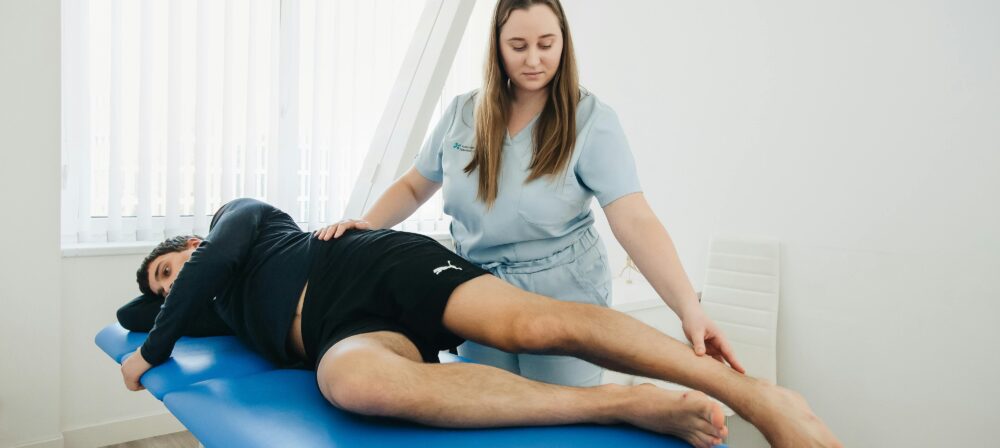
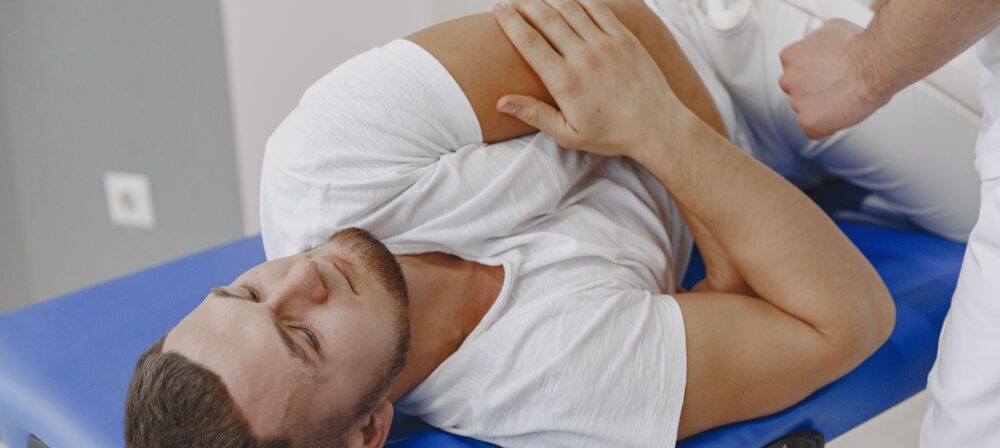
Combined Physiotherapy and Podiatry Care in Blackburn

Combined Physiotherapy and Podiatry Care in Blackburn: Benefits Explained

The foot is the foundation of everything the lower body does. Every stride, every landing, every push-off from the ground starts there. And yet most private clinics in Blackburn and Lancashire treat physiotherapy and podiatry as separate services managed by separate people who rarely, if ever, speak to each other about the same patient.

Premier Clinic at Lions Drive, Blackburn, is built differently. As a fully integrated private rehab clinic in Lancashire, Premier Clinic is one of the only facilities in the area where physiotherapy and podiatry operate from the same site, share clinical records, and communicate about shared patients as a matter of course rather than exception. This article explains the clinical case for combined care, the conditions that benefit most, and what patients across Blackburn and Lancashire can access at Premier Clinic.


The Clinical Case for Combining Physiotherapy and Podiatry in Blackburn

Physiotherapy and podiatry address neighbouring but distinct aspects of the musculoskeletal system. Physiotherapy focuses on movement quality, joint mechanics, muscular function, and rehabilitation across the whole body. Podiatry focuses on the assessment, diagnosis, and treatment of conditions affecting the foot, ankle, and lower limb.

The overlap between these two disciplines is substantial and clinically significant. The Royal College of Podiatry published a dedicated Musculoskeletal Capability Framework specifically to build closer collaboration between podiatrists and physiotherapists in treating lower limb conditions. The framework recognises that podiatrists already understand anatomy, pathological gait, and clinical testing, and that closer integration with physiotherapy produces better patient outcomes for musculoskeletal presentations.

The Kinetic Chain: Why the Foot Matters to the Knee, Hip, and Spine

The kinetic chain is the interconnected sequence of joints and muscles that share force during movement. The foot is at the bottom of this chain. When foot mechanics are abnormal, that abnormality is transmitted upward with every step. Excessive pronation increases internal tibial rotation. Internal tibial rotation alters the tracking of the patella. Altered patellar tracking produces knee pain. Knee pain changes the way the hip loads. Hip loading changes spinal alignment. A patient presenting with persistent lower back pain may have a root cause that originates in how their foot contacts the ground.

This chain of causation is well recognised in clinical practice and is one of the primary reasons that treating either physiotherapy or podiatry in isolation can produce incomplete results. A physiotherapist who strengthens the hip and knee without addressing the foot mechanics that drive the problem will see improvement followed by recurrence. A podiatrist who prescribes orthotics without addressing the muscular weaknesses that compound poor foot mechanics will see partial improvement at best.

Why Shared Clinical Records Change Outcomes

When a physiotherapist and a podiatrist work in separate clinics, clinical information does not travel between them. The physiotherapist does not know what the podiatrist observed in the gait assessment. The podiatrist does not know what the physiotherapist found during the hip and knee examination. Each clinician works from an incomplete picture of the patient.

At Premier Clinic in Blackburn, physiotherapy and podiatry share clinical records and communicate about shared patients as standard. A study published in the Journal of Medical Internet Research in October 2025 evaluated an integrated primary care model that placed musculoskeletal specialists alongside other clinicians with shared records and found that patients in integrated care achieved significantly better functional outcomes than those receiving standard treatment in separate pathways. Premier Clinic’s structure reflects this integrated model at a community clinic level, making it accessible to patients across Lancashire without hospital referral.

Premier Clinic’s founder Shaun Kelly is trained in both musculoskeletal medicine and podiatry, with post-graduate specialisation in sports biomechanics. The combined care model at Premier Clinic is not a marketing position. It is the clinical philosophy of the practitioner who built it.


Conditions That Benefit Most From Combined Physiotherapy and Podiatry Care at Premier Clinic

The following conditions are those where Premier Clinic’s integrated approach consistently produces outcomes that single-discipline treatment cannot match. In every case, the benefit comes from addressing both the local tissue pathology and the underlying biomechanical or kinetic chain factors simultaneously.


Plantar Fasciitis With Associated Calf and Hip Weakness


Plantar fasciitis is one of the most commonly mismanaged conditions in musculoskeletal healthcare. The standard podiatric response is orthotics and offloading. The standard physiotherapy response is calf stretching and progressive loading. Both are clinically valid but neither alone is usually sufficient, because plantar fasciitis is typically driven by a combination of local tissue load, reduced calf and hip strength, and foot mechanics that concentrate force at the fascia’s insertion. At Premier Clinic, the podiatry team addresses foot mechanics and prescribes orthotics, the physiotherapy team addresses the calf, hip, and lower limb strength deficits, and the shockwave therapy service stimulates tissue repair at the fascia. This three-discipline approach is available in one building without the patient coordinating between separate providers.


Runner’s Knee Driven by Foot Pronation

Patellofemoral pain in runners is a common presentation where treatment focused only on the knee produces temporary improvement followed by return of symptoms. The reason is almost always that the mechanical driver originates lower in the kinetic chain. Excessive foot pronation generates tibial internal rotation that alters how the patella tracks in its groove. The physiotherapist strengthens the quadriceps and hip abductors; the podiatrist assesses the degree and pattern of pronation and prescribes appropriate custom orthotics; Premier Clinic’s running clinic uses video gait analysis to identify the specific movement pattern modifications that further reduce knee loading during running. This is the standard of care that produces lasting resolution.


Achilles Tendinopathy With Poor Lower Limb Mechanics


The Achilles tendon is most vulnerable to rotational stress during the heel-off phase of gait, when the foot transitions from pronated to supinated and the tendon must absorb the rotational force generated by that transition. Patients with excessive pronation generate more rotational load at this point, driving the repetitive microtrauma that characterises chronic Achilles tendinopathy.

The physiotherapy team prescribes a progressive heel-drop loading programme that is the gold standard intervention for tendinopathy rehabilitation. The podiatry team addresses the pronation with orthotic therapy and footwear assessment. Shockwave therapy stimulates the tendon’s biological repair process when conservative loading alone is insufficient. This combined approach is consistently more effective than either discipline working alone.


Shin Splints and Medial Tibial Stress Syndrome


Shin splints are overwhelmingly a load and mechanics problem. The tibial bone absorbs repetitive bending forces during running that, when they exceed the bone’s adaptive capacity, produce pain and eventually stress reaction or fracture. Foot mechanics directly influence the magnitude of these bending forces: excessive pronation generates higher tibial bending moments with every footstrike.


At Premier Clinic, the combined approach targets three areas simultaneously. The physiotherapy team prescribes a graduated loading programme that respects the bone’s healing capacity. The podiatry team corrects the foot mechanics driving elevated tibial stress. And the sports injury team supports recovery of the surrounding soft tissue structures. For patients at high risk of recurrence due to high training volume, Premier Clinic’s AlterG Anti-Gravity Treadmill allows continued cardiovascular conditioning while tibial load is carefully managed during recovery.


Recurring Ankle Sprains and Lateral Ankle Instability


A single ankle sprain heals reliably with physiotherapy-directed proprioception and strength rehabilitation. Recurring ankle sprains, however, indicate a pattern of mechanical instability that requires a broader assessment. At Premier Clinic, the physiotherapy team addresses the neuromuscular deficits in proprioception and peroneal strength. The podiatry team assesses whether the pattern of foot loading and shoe wear creates a structural predisposition to inversion injury, and where appropriate, prescribes a lateral wedge or stabilising orthotic. Where bespoke footwear is indicated for patients with structural foot conditions contributing to instability, this is available through Premier Clinic’s bespoke footwear service.


Post-Surgical Lower Limb Rehabilitation


After lower limb surgery, whether ACL reconstruction, total knee replacement, hip replacement, or ankle and foot procedures, the rehabilitation period is when compensatory movement patterns are most likely to establish. A patient who protects a healing structure by loading the contralateral limb heavily, or who develops a habitual gait asymmetry during recovery, may leave the post-operative period with a new biomechanical problem that was not present before surgery. Premier Clinic’s rehabilitation service combines physiotherapy-directed progressive loading with podiatric gait assessment and, where indicated, temporary orthotic support during the recovery phases where compensatory loading is highest. The AlterG Treadmill allows gait retraining to begin before full weight-bearing is safe, reducing the window in which compensatory patterns can become established.


Diabetic Foot Complications With Reduced Mobility

Patients managing diabetes with foot complications often experience reduced mobility due to a combination of neuropathy, peripheral vascular changes, and the discomfort of ill-fitting footwear. The podiatry team manages foot tissue health, pressure distribution, and protective orthotic or footwear provision. The physiotherapy team addresses the muscular deconditioning and mobility decline that frequently accompanies chronic foot complications. For patients whose exercise tolerance is limited by lower limb pain or weight-bearing discomfort, the AlterG treadmill provides a pain-free cardiovascular exercise environment. The private GP service is also available on the same site to review metabolic control where relevant.


Chronic Lower Back Pain With a Biomechanical Foot Component


A proportion of patients presenting with persistent lower back pain have a contributing biomechanical factor in the foot or lower limb that has not been identified. Leg length discrepancy, whether structural or functional through foot mechanics, creates asymmetric pelvic loading that can drive lumbar pain. Excessive pronation on one side alters ipsilateral tibial and femoral rotation, which shifts pelvic tilt, which changes lumbar loading. At Premier Clinic, a biomechanics and gait assessment that includes the foot, lower limb, and pelvis as a system identifies these contributions. The physiotherapy team then treats the back itself while the podiatry team addresses the foot mechanics driving the problem, and the combined plan is designed to break the cycle rather than manage one part of it indefinitely.


Combined Physiotherapy and Podiatry Care at Premier Clinic: Condition Reference Table

Clinic Physiotherapy Podiatry Shared Records MSK Biomechanics AlterG Shockwave No Referral Needed
Premier Clinic Blackburn BB1 Yes Yes Yes Yes Yes Yes Yes
Wilpshire Clinic BB1 Yes Yes No Limited No No Yes
Beardwood Hospital BB2 Yes No No No No No Partial
True Physio Blackburn Yes No No No No No Yes
Blackburn North Physiotherapy Yes No No No No No Yes
Lancashire Foot Clinic Blackburn No Yes No Limited No No Yes

What Combined Physiotherapy and Podiatry Care Looks Like at Premier Clinic Blackburn


For patients who have not encountered integrated care before, the practical process of receiving combined physiotherapy and podiatry at Premier Clinic is worth explaining clearly.


The Initial Assessment: Which Discipline Goes First?


In most cases, the presenting complaint determines the appropriate starting point. A patient with a clear foot or ankle condition will typically begin with the podiatry team. A patient with a more generalised lower limb or musculoskeletal problem will typically begin with physiotherapy. A patient with suspected gait-related contributions to their problem may begin with a biomechanics assessment that informs both disciplines simultaneously.


Where there is genuine uncertainty about the most appropriate entry point, the Premier Clinic team discusses the patient’s history during a brief phone consultation before the first appointment and advises accordingly. This conversation costs the patient nothing and frequently saves them from attending the wrong discipline first.


How the Disciplines Communicate About Shared Patients


At Premier Clinic, both physiotherapy and podiatry share the same clinical records system. When a patient has been assessed by one discipline, the other practitioner can review those findings before their own appointment. This eliminates the need for the patient to re-explain their history, prevents contradictory advice, and allows treatment decisions in each discipline to reflect the full clinical picture.


For patients receiving concurrent treatment from both disciplines, the team meets or communicates about case management where clinically appropriate. This level of co-ordination is standard at larger hospital settings but rare in the private community clinic sector in Lancashire. It is available at Premier Clinic as a matter of clinical policy.


Combined Package Options

Premier Clinic offers package deals for patients receiving combined physiotherapy and podiatry treatment, enabling more cost-effective access to multi-session programmes than individual session booking. Full pricing is available on the price list page. The team operates an explicit no-upsell policy, which means combined packages are recommended only when the clinical case genuinely benefits from both disciplines.


Premier Clinic as an Integrated Rehab Clinic in Lancashire: The Full Clinical Picture


Physiotherapy and podiatry are the two primary clinical anchors of Premier Clinic’s integrated model, but they are far from the only services available at the clinic. The following is the complete range of rehabilitation and clinical services accessible from the single Lions Drive site in Blackburn BB1 2QS.


Biomechanics Assessment and Custom Orthotics


Premier Clinic’s biomechanics and orthotics service uses force plate technology, video gait analysis, and Phits 3D-printed orthotics to provide the highest level of biomechanical assessment and orthotic prescription available in Lancashire. This service is used by both the physiotherapy and podiatry teams as a diagnostic and prescriptive tool, and sits at the clinical intersection of both disciplines.


Shockwave Therapy for Tendon and Soft Tissue Conditions


Premier Clinic offers both radial and focused extracorporeal shockwave therapy (ESWT), which is used alongside physiotherapy and podiatry for conditions including plantar fasciitis, Achilles tendinopathy, patellar tendinopathy, and tennis elbow. The Royal College of Podiatry has published evidence demonstrating the effectiveness of MSK podiatry services across the UK, including for tendon conditions where shockwave therapy is used as part of a broader treatment approach.


AlterG Anti-Gravity Treadmill Rehabilitation

Premier Clinic is one of the only rehabilitation clinics in Lancashire with an AlterG Anti-Gravity Treadmill on site. This technology uses NASA-derived differential air pressure to reduce a patient’s effective body weight by up to 80%, allowing gait rehabilitation and cardiovascular conditioning before full weight-bearing loads are clinically appropriate. For patients recovering from lower limb surgery or managing chronic conditions that limit exercise tolerance, the AlterG is the clinical bridge between physiotherapy rehabilitation and return to full activity.


Sports Injury Treatment and Massage


Premier Clinic’s sports injury and massage service works alongside physiotherapy and podiatry for patients with soft tissue injuries. Therapeutic sports massage addresses the muscular and fascial components of lower limb problems that physiotherapy exercise alone may not fully resolve, and cupping therapy is available where clinically appropriate. Massage therapists at Premier Clinic are trained in rehabilitation and exercise, not simply soft tissue technique.


Personal Training for Rehabilitation and Return to Fitness


Premier Clinic’s personal training service provides a clinical bridge between the formal rehabilitation period and independent exercise. Led by Lynnsey Worsley, who brings 16 years of personal training experience and a background in NHS dietetic support work, the service is available to patients transitioning out of physiotherapy or podiatry-directed rehabilitation who need structured support to rebuild strength and fitness safely.


Private GP Services and Blood Testing


For patients whose musculoskeletal or foot conditions may have systemic components, such as inflammatory arthritis, diabetes, or thyroid disorders, Premier Clinic’s private GP service and on-site blood testing mean that investigation can proceed in parallel with physical treatment rather than requiring a separate NHS pathway.


Counselling Services


Chronic pain and long-term musculoskeletal conditions have well-documented psychological dimensions. Premier Clinic’s BACP-accredited counselling service is available for patients whose recovery is complicated by anxiety, depression, or the psychological impact of injury and functional limitation. This is an aspect of integrated care that most physiotherapy and podiatry clinics do not address at all.


Why No Other Private Clinic in Blackburn Offers Truly Integrated Physiotherapy and Podiatry Care

Several clinics in Blackburn and Lancashire offer physiotherapy. Several offer podiatry. A smaller number offer both under the same trading name. Fewer still offer both with the clinical infrastructure that makes integrated care meaningful rather than merely convenient.

The distinction is not simply about geography. It is about whether the practitioners actually communicate, whether clinical records are shared, and whether treatment decisions in one discipline reflect what has been found in the other. Without these elements, the word integrated is a description of proximity, not clinical practice.


Clinic Physiotherapy Podiatry Shared Records MSK Biomechanics AlterG Shockwave No Referral Needed
Premier Clinic Blackburn BB1 Yes Yes Yes Yes Yes Yes Yes
Wilpshire Clinic BB1 Yes Yes No Limited No No Yes
Beardwood Hospital BB2 Yes No No No No No Partial
True Physio Blackburn Yes No No No No No Yes
Blackburn North Physiotherapy Yes No No No No No Yes
Lancashire Foot Clinic Blackburn No Yes No Limited No No Yes

Premier Clinic is the only private clinic in Blackburn that offers both physiotherapy and podiatry with shared clinical records, on-site biomechanics assessment, an AlterG Anti-Gravity Treadmill, and radial and focused shockwave therapy, all available without a GP referral and with Saturday morning appointments.


The Clinical Team Behind Premier Clinic’s Integrated Physiotherapy and Podiatry Service in Blackburn


The credibility of Premier Clinic’s integrated model rests on the clinical credentials of the people delivering it. Full team details are available on the Premier Clinic team page and the about us page, but the following provides the key clinical context for the combined physiotherapy and podiatry service.


Shaun Kelly, Founder and Head of Clinical Services


Shaun Kelly is the clinical foundation on which Premier Clinic’s integrated model was built. Originally trained as a podiatrist, he went on to specialise in sports biomechanics and musculoskeletal medicine following more than 20 years of service in the Royal Navy Medical Services. He holds a Masters-level qualification and continues post-graduate education across biomechanics and musculoskeletal conditions. His dual background in podiatry and musculoskeletal medicine means that the combined care model at Premier Clinic is not a commercial decision but a clinical one, reflecting the way he was trained to assess and treat lower limb conditions. His registration with the Health and Care Professions Council (HCPC) and membership with the Royal College of Podiatry underpin the clinical standard of the podiatry service.


Greta, Lead Physiotherapist


Greta trained as a physiotherapist in Lithuania and gained full HCPC registration on arriving in the UK. She works full-time at Premier Clinic and brings extensive experience across musculoskeletal and sports rehabilitation. Her approach integrates clinical reasoning with clear patient communication, and her work within the integrated care model means her physiotherapy assessments are regularly informed by biomechanical and podiatric findings from other members of the team. She is a member of the Chartered Society of Physiotherapy (CSP).


Aimee, Sports Rehabilitation and Massage Therapist


Aimee studied sports science before joining Premier Clinic as a qualified sports massage therapist and rehabilitation practitioner. In September 2026, she commences physiotherapy training at the University of Salford, building on her existing clinical skills to become an HCPC-registered physiotherapist. Her understanding of the physical demands of sport makes her a particularly effective member of the team for athletes working through rehabilitation programmes that combine physiotherapy and podiatric input.


Frequently Asked Questions: Physiotherapy and Podiatry Blackburn

Q: What is the benefit of combining physiotherapy and podiatry in Blackburn?

A: Combining physiotherapy and podiatry at the same clinic means both the mechanical function of the foot and the broader musculoskeletal system are assessed and treated together. The foot is the foundation of the kinetic chain. Problems in the foot and ankle directly influence knee, hip, and spinal mechanics. When a physiotherapist and podiatrist share clinical information and co-ordinate treatment, the underlying cause of recurring pain is identified and addressed more accurately than either discipline can achieve alone.


Q: Which conditions benefit most from combined physiotherapy and podiatry care?

A: Conditions that benefit most include plantar fasciitis with associated calf and hip weakness, runner’s knee driven by foot pronation, Achilles tendinopathy with poor lower limb mechanics, shin splints linked to gait abnormality, recurring ankle sprains, post-surgical lower limb rehabilitation, diabetic foot complications with reduced mobility, and chronic lower back pain with a biomechanical foot component.


Q: Does Premier Clinic in Blackburn offer combined physiotherapy and podiatry appointments?


A: Yes. Premier Clinic at 11 Cunningham Court, Lions Drive, Shadsworth Business Park, Blackburn BB1 2QS offers both physiotherapy and podiatry on the same site with shared clinical records and practitioner communication. Patients can book each discipline separately or discuss a combined programme by calling 01254 677341.


Q: Is Premier Clinic Blackburn an integrated rehabilitation clinic?


A: Yes. Premier Clinic functions as a fully integrated rehabilitation clinic in Lancashire, offering physiotherapy, podiatry, biomechanics, shockwave therapy, AlterG treadmill rehabilitation, sports massage, private GP services, personal training, counselling, and hearing assessments from the same site with shared clinical oversight.


Q: What is musculoskeletal podiatry and how does it relate to physiotherapy?

A: Musculoskeletal podiatry is a specialist area of podiatric practice focused on lower limb conditions affecting movement, gait, and function. The Royal College of Podiatry has published a Musculoskeletal Capability Framework to develop closer collaboration between podiatrists and physiotherapists. Premier Clinic’s founder Shaun Kelly is trained in both musculoskeletal medicine and podiatry, which is the foundation of the clinic’s integrated approach.


Q: Can I self-refer for combined physiotherapy and podiatry care in Blackburn?


A: Yes. Premier Clinic in Blackburn does not require a GP referral for either physiotherapy or podiatry. Patients can book directly by calling 01254 677341 or emailing info@premier-clinic.co.uk. The team will advise on the most appropriate starting point during a brief phone discussion before the first appointment.


Q: How does Premier Clinic’s integrated care approach differ from seeing a physio and podiatrist separately?


A: At separate clinics, there is typically no clinical communication between practitioners. Each clinician treats their area in isolation without knowledge of the other’s findings. At Premier Clinic, both disciplines share clinical records and communicate about shared patients, producing a treatment plan that reflects the complete clinical picture rather than two disconnected views of parts of it.


Q: What rehabilitation services does Premier Clinic in Lancashire offer alongside physiotherapy and podiatry?


A: Alongside physiotherapy and podiatry, Premier Clinic in Lancashire offers biomechanics assessment and gait analysis, custom Phits 3D-printed orthotics, radial and focused shockwave therapy, AlterG anti-gravity treadmill rehabilitation, sports injury treatment and massage, personal training, private GP services, blood testing, counselling, hearing assessments, occupational health services, and medico-legal injury reporting.


 Book Combined Physiotherapy and Podiatry Care at Premier Clinic Blackburn

If you have a lower limb condition that has not fully resolved with single-discipline treatment, or if you have been managing the same problem through successive courses of physiotherapy or podiatry that each help but never achieve a lasting result, the most likely explanation is that one part of the clinical picture has not been addressed.

Premier Clinic’s integrated model is designed precisely for this patient. The team will assess the whole lower limb system, communicate across disciplines, and build a treatment plan that addresses the cause alongside the symptom. That is what integrated care means in practice, and it is what Premier Clinic delivers.

Call 01254 677341 to book your assessment or to discuss which discipline is the most appropriate starting point for your condition. Email info@premier-clinic.co.uk or submit an online appointment request. Premier Clinic is at 11 Cunningham Court, Lions Drive, Shadsworth Business Park, Blackburn, BB1 2QS. Open Monday to Friday 9am to 6pm and Saturday 9am to 1pm. Free parking on site.
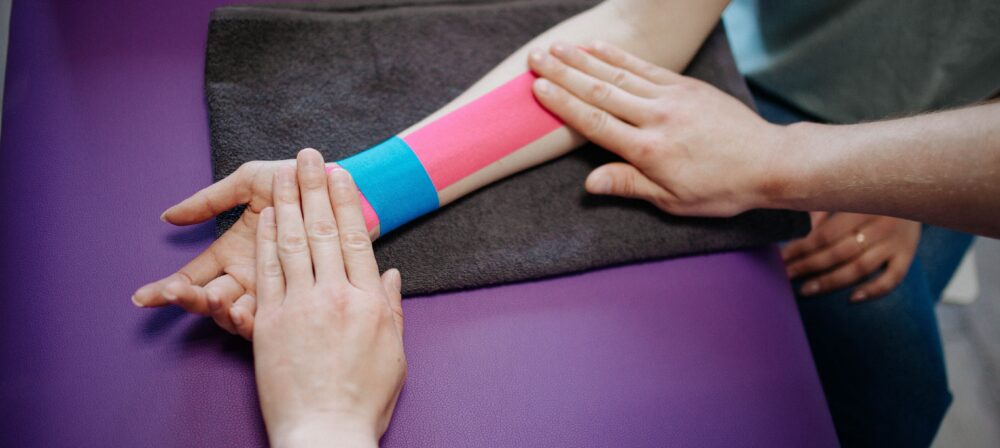
Explore all services at Premier Clinic Blackburn: physiotherapy | podiatry and foot care | biomechanics and orthotics | shockwave and laser therapy | AlterG anti-gravity treadmill | rehabilitation | sports injury and massage | running clinic | personal training | private GP | bespoke footwear | counselling | hearing clinic | medico-legal reports | occupational health | services for business | price list | our team | about us.

Sports Injury Treatment in Blackburn: Fast Recovery for Athletes

Sports Injury Treatment in Blackburn: Fast Recovery for Athletes

If you are looking for sports injury treatment in Blackburn, early and professional care is essential to support recovery, restore performance, and prevent further injury.


Premier Clinic Ltd, located in Blackburn BB1 1AQ, provides expert physiotherapy and rehabilitation services for athletes and active individuals across Blackburn and Lancashire. The clinic focuses on structured recovery plans tailored to each individual, helping patients return to activity safely and confidently.


What Is Sports Injury Treatment

Sports injury treatment involves assessing, diagnosing, and managing injuries related to physical activity. The goal is to reduce pain, restore movement, and support a safe return to sport or daily activity.


Common sports injuries include:

  • Muscle strains and tears
  • Ligament sprains
  • Tendon injuries
  • Joint pain and inflammation
  • Knee and ankle injuries
  • Overuse injuries


At Premier Clinic Ltd, treatment is based on clinical assessment and tailored rehabilitation plans.


Sports Injury Treatment Services in Blackburn


A leading clinic offering sports physio in Blackburn should provide a complete range of rehabilitation services.


Injury Assessment and Diagnosis


A detailed assessment identifies the cause and severity of the injury, allowing for targeted treatment.


Physiotherapy Treatment


Hands-on therapy and guided exercises are used to restore movement and reduce pain.


Rehabilitation Programmes


Structured rehab plans support gradual recovery and help rebuild strength and stability.


Sports-Specific Recovery Plans


Treatment is adapted based on the demands of your sport or activity.


Movement and Biomechanics Correction


Identifying and correcting movement patterns helps prevent future injuries.


Benefits of Sports Injury Treatment in Blackburn


Choosing professional injury rehab in Lancashire provides several key benefits:

  • Faster and safer recovery
  • Reduced risk of re-injury
  • Improved strength and flexibility
  • Better movement and performance
  • Long-term injury prevention


Premier Clinic Ltd focuses on addressing the root cause of injury rather than only managing symptoms.


What to Expect During Your Appointment


Your visit to a sports physio clinic in Blackburn is structured to support effective recovery.


Initial Consultation


  • Discussion of injury and activity level
  • Physical assessment of movement and strength


Diagnosis and Treatment Plan


  • Clear explanation of the injury
  • Personalised recovery plan


Treatment Sessions


  • Hands-on therapy
  • Guided rehabilitation exercises


Ongoing Support


  • Monitoring progress
  • Adjusting treatment as recovery improves


Recovery Plans for Athletes in Blackburn


Recovery plans at Premier Clinic Ltd are designed around the individual and their activity level.


A typical rehabilitation plan may include:

  • Strength and conditioning exercises
  • Mobility and flexibility work
  • Gradual return-to-activity programme
  • Injury prevention strategies


This structured approach helps ensure a safe and effective recovery.


Who Should Seek Sports Injury Treatment


You should consider treatment if you experience:

  • Pain during or after physical activity
  • Reduced performance or mobility
  • Swelling or stiffness
  • Recurring injuries
  • Difficulty returning to sport


Early treatment improves recovery outcomes and reduces the risk of long-term issues.


Why Choose Sports Physio in Blackburn


Choosing a local clinic in Blackburn provides clear advantages:

  • Easy access to appointments
  • Consistent care from the same practitioner
  • Personalised treatment plans
  • Ongoing support throughout recovery


Premier Clinic Ltd serves Blackburn, Darwen, Accrington, and wider Lancashire.


Sports Injury Rehabilitation in Blackburn and Lancashire


Premier Clinic Ltd is based in Blackburn BB1 1AQ and provides sports injury treatment and rehabilitation services across Lancashire.


The clinic focuses on:

  • Evidence-based physiotherapy
  • Patient-centred care
  • Clear communication
  • Long-term recovery outcomes


Frequently Asked Questions


Where can I get sports injury treatment in Blackburn


You can visit Premier Clinic Ltd in Blackburn BB1 1AQ for professional sports injury treatment and rehabilitation services.


What does sports physio in Blackburn involve


Sports physiotherapy includes assessment, treatment, and rehabilitation of injuries related to physical activity.


How long does sports injury recovery take


Recovery time varies depending on the injury, but structured rehabilitation helps improve outcomes and supports safe return to activity.


Is there injury rehab available in Lancashire


Yes, Premier Clinic Ltd provides injury rehabilitation services for patients across Lancashire.


Can physiotherapy help athletes recover faster


Yes, physiotherapy supports recovery by improving strength, mobility, and function while reducing the risk of re-injury.


When should I see a sports injury specialist


You should seek treatment if pain persists, affects performance, or limits your ability to stay active.


Book Sports Injury Treatment in Blackburn


If you need expert support for a sports injury, Premier Clinic Ltd in Blackburn provides personalised rehabilitation plans to help you recover and return to activity safely.


Physiotherapy Clinic in Blackburn: Services, Benefits and Recovery Plans

Physiotherapy Clinic in Blackburn: Services, Benefits and Recovery Plans

If you are looking for physiotherapy in Blackburn, choosing the right clinic can help you recover from injury, manage pain, and improve long-term mobility.


Premier Clinic Ltd, located in Blackburn BB1 1AQ, provides professional physiotherapy services for patients across Blackburn and Lancashire. The clinic offers personalised rehabilitation plans designed to support recovery, restore movement, and improve overall wellbeing.


What Does a Physiotherapy Clinic Do


A physiotherapy clinic focuses on diagnosing, treating, and preventing physical conditions that affect movement and function.


Common conditions treated include:

  • Muscle and joint pain
  • Sports injuries
  • Post-surgery recovery
  • Back and neck pain
  • Mobility and balance issues
  • Tendon and ligament injuries


At Premier Clinic Ltd, treatment plans are tailored to each patient based on their condition, lifestyle, and recovery goals.


Physiotherapy Services Available in Blackburn


A leading physio clinic in Lancashire should offer a range of treatments designed to support recovery and long-term health.


Injury Assessment and Diagnosis


A detailed assessment helps identify the root cause of pain or dysfunction.


Manual Therapy


Hands-on techniques are used to improve joint movement, reduce stiffness, and relieve discomfort.


Exercise Rehabilitation


Personalised exercise plans help strengthen muscles, improve mobility, and support recovery.


Post-Surgery Rehabilitation


Structured rehabilitation plans support recovery following surgical procedures.


Sports Injury Treatment


Targeted treatment helps athletes recover safely and return to activity.


Movement and Posture Correction


Assessment and correction of posture and movement patterns help prevent future injuries.


Benefits of Physiotherapy in Blackburn


Choosing physiotherapy in Blackburn offers several benefits:

  • Reduces pain and discomfort
  • Improves mobility and flexibility
  • Supports faster recovery from injury
  • Helps prevent recurring problems
  • Enhances overall physical function


Premier Clinic Ltd focuses on long-term outcomes rather than short-term relief.


What to Expect During Your Physiotherapy Appointment


Your visit to a private physio clinic in Blackburn is designed to be structured and supportive.


Initial Consultation

  • Discussion of symptoms and medical history
  • Physical assessment of movement and function


Diagnosis and Treatment Plan

  • Clear explanation of the condition
  • Personalised recovery plan


Treatment Sessions

  • Hands-on therapy and guided exercises
  • Ongoing adjustments based on progress


Aftercare and Rehabilitation

  • Advice on exercises and lifestyle changes
  • Support for long-term recovery


Personalised Recovery Plans in Blackburn


Recovery plans at Premier Clinic Ltd are designed around the individual. This ensures that each patient receives treatment suited to their condition and goals.


A personalised rehabilitation plan may include:

  • Targeted exercises
  • Gradual progression of activity
  • Monitoring and adjustments
  • Long-term injury prevention strategies


Who Should See a Physiotherapist


You should consider physiotherapy if you experience:

  • Persistent pain or stiffness
  • Reduced mobility
  • Injury from sports or daily activities
  • Recovery after surgery
  • Recurring physical issues


Early intervention can improve outcomes and reduce recovery time.


Why Choose a Physiotherapy Clinic in Blackburn


Choosing a local clinic provides several advantages:

  • Easy access to appointments
  • Consistent care from the same practitioner
  • Personalised treatment approach
  • Ongoing support and follow-up


Premier Clinic Ltd serves patients across Blackburn, Darwen, Accrington, and wider Lancashire.


Physiotherapy in Blackburn and Lancashire


Premier Clinic Ltd is based in Blackburn BB1 1AQ and provides physiotherapy services to patients across Lancashire.

The clinic focuses on:

  • Evidence-based treatments
  • Patient-centred care
  • Clear communication
  • Consistent clinical standards


Frequently Asked Questions


Where can I find physiotherapy in Blackburn


You can visit Premier Clinic Ltd in Blackburn BB1 1AQ for professional physiotherapy services tailored to your condition and recovery needs.


What does a physiotherapy clinic treat


Physiotherapy clinics treat conditions such as muscle pain, joint issues, sports injuries, and post-surgery recovery.


Is there a private physio clinic in Blackburn


Yes, Premier Clinic Ltd offers private physiotherapy services for patients across Blackburn and Lancashire.


How does physiotherapy help recovery


Physiotherapy improves movement, reduces pain, and supports healing through targeted treatments and exercises.


Do I need a referral for physiotherapy in Blackburn


No, you can book directly with a private physiotherapy clinic without a referral.


How long does physiotherapy take to work


Recovery time varies depending on the condition, but structured treatment plans help improve outcomes over time.


Book Physiotherapy in Blackburn

If you need expert physiotherapy care, Premier Clinic Ltd in Blackburn provides personalised treatment plans to support recovery, mobility, and long-term health.

Physiotherapy Clinic in Blackburn, Lancashire

Expert Guide to Choosing a Physiotherapy Clinic in Blackburn, Lancashire

Physiotherapy is an essential healthcare service for anyone experiencing musculoskeletal pain, injury, or reduced mobility. If you are searching for a physiotherapy clinic in Blackburn, Lancashire, you are likely looking for professional guidance, clear treatment plans, and long-term recovery support.

Premier Clinic Ltd is a private health clinic located on Lions Drive in Blackburn, Lancashire. Our experienced physiotherapy team provides personalised rehabilitation programmes designed to restore movement, reduce pain, and support long-term physical health.

Whether you are recovering from an injury, managing chronic pain, or improving mobility, choosing the right clinic plays an important role in your recovery journey.

What Is Physiotherapy?

Physiotherapy is a healthcare discipline focused on assessing, diagnosing, and treating physical impairments, injuries, and movement disorders.

Physiotherapists use a combination of:

  • manual therapy
  • rehabilitation exercises
  • movement correction
  • strength training
  • injury prevention strategies

These techniques help restore movement, reduce pain, and improve overall function.

Physiotherapy can support a wide range of conditions including:

  • back and neck pai
  • sports injuries
  • post-surgical rehabilitation
  • arthritis and joint stiffness
  • posture-related pain
  • neurological conditions affecting movement

For patients in Blackburn and across Lancashire, local physiotherapy care allows faster assessment and structured rehabilitation close to home.

Benefits of Visiting a Physiotherapy Clinic in Blackburn, Lancashire

Working with a professional physiotherapist offers several important benefits.

Pain Relief and Management

Physiotherapy can reduce both acute and chronic pain through manual therapy, exercise rehabilitation, and targeted treatment plans.

Improved Mobility

Rehabilitation programmes restore joint movement, muscle strength, and overall functional mobility.

Injury Prevention

Physiotherapists assess posture, biomechanics, and movement patterns to identify risk factors and prevent future injuries.

Faster Recovery

Structured rehabilitation supports safe recovery after injury, surgery, or physical strain.

Personalised Treatment Plans

Each patient receives a tailored plan based on a full clinical assessment and recovery goals.

Key Considerations When Choosing a Physiotherapy Clinic in Blackburn, Lancashire

When selecting a physiotherapy clinic locally, consider the following factors.

Professional Qualifications

Physiotherapists should be fully qualified and experienced in treating musculoskeletal conditions and rehabilitation cases.

Range of Services

A comprehensive clinic should offer services such as:

Clinics offering multiple services can provide more complete care.

Patient-Focused Care

The best clinics focus on clear communication and personalised treatment plans rather than generic therapy programmes.

Modern Assessment Techniques

Up-to-date rehabilitation methods and equipment help improve recovery outcomes.

Convenient Location

For Blackburn residents, choosing a local clinic ensures easier follow-up appointments and consistent treatment progress.

Common Physiotherapy Treatments Available in Blackburn

Physiotherapy clinics in Blackburn offer a range of treatment approaches depending on the condition being treated.

Manual Therapy

Hands-on techniques such as joint mobilisation and soft tissue therapy help reduce pain and restore movement.

Exercise Rehabilitation

Structured exercise programmes improve strength, flexibility, and functional movement.

Sports Injury Rehabilitation

Physiotherapists treat injuries such as ligament sprains, muscle strains, and tendon issues while guiding patients safely back to activity.

Postural Correction

Physiotherapy can help correct posture and improve workplace ergonomics to prevent recurring pain.

Pain Management Techniques

Techniques such as electrotherapy, ultrasound, and dry needling may be used to manage chronic pain and support recovery.

Neurological Physiotherapy

Patients with neurological conditions such as stroke or Parkinson’s disease may benefit from specialised physiotherapy focused on balance and coordination.

Why Blackburn Residents Benefit from Local Physiotherapy Clinics

Choosing a physiotherapy clinic in Blackburn, Lancashire offers several advantages.

  • easier access to appointments
  • consistent follow-up treatment
  • familiarity with local healthcare networks
  • reduced travel time

These factors improve adherence to rehabilitation plans and overall treatment outcomes.

Integrated Healthcare at Premier Clinic

Premier Clinic Ltd is a multidisciplinary clinic serving Blackburn and the wider Lancashire area.

Alongside physiotherapy, we also provide:

  • podiatry and biomechanics assessment
  • sports massage
  • rehabilitation services
  • diagnostic services including blood tests
  • medico-legal injury reports

This integrated approach allows patients to access multiple services under one roof when required.

Tips for Getting the Most from Physiotherapy

Patients can improve treatment outcomes by following these simple guidelines.

Stay consistent

Attend scheduled appointments and complete recommended exercises.

Communicate openly

Share updates on symptoms and progress with your physiotherapist.

Follow lifestyle advice

Posture correction, activity adjustments, and ergonomic improvements support recovery.

Understand your condition

Learning about your injury helps you actively participate in rehabilitation.

Frequently Asked Questions

Do I need a referral to see a physiotherapist?

No. You can book directly with a private physiotherapy clinic in Blackburn, Lancashire without a referral.

How many sessions will I need?

Treatment length depends on your condition and recovery progress.

Is physiotherapy painful?

Most physiotherapy treatments aim to reduce pain. Some exercises may feel challenging but are guided safely.

Can physiotherapy help chronic pain?

Yes. Structured physiotherapy programmes are highly effective in managing chronic musculoskeletal pain.

Is physiotherapy only for sports injuries?

No. Physiotherapy supports work-related injuries, postural issues, arthritis, and general mobility concerns.

Choosing the Right Physiotherapy Clinic in Blackburn, Lancashire

Physiotherapy plays a key role in recovery, mobility improvement, and long-term physical health.

By choosing a clinic that offers professional expertise, clear communication, and personalised rehabilitation plans, patients can achieve better outcomes and return to daily activities with confidence.

If you are searching for a reliable physiotherapy clinic in Blackburn, Lancashire, Premier Clinic Ltd provides professional assessment, structured rehabilitation, and supportive care for patients across Blackburn and the wider Lancashire area.